
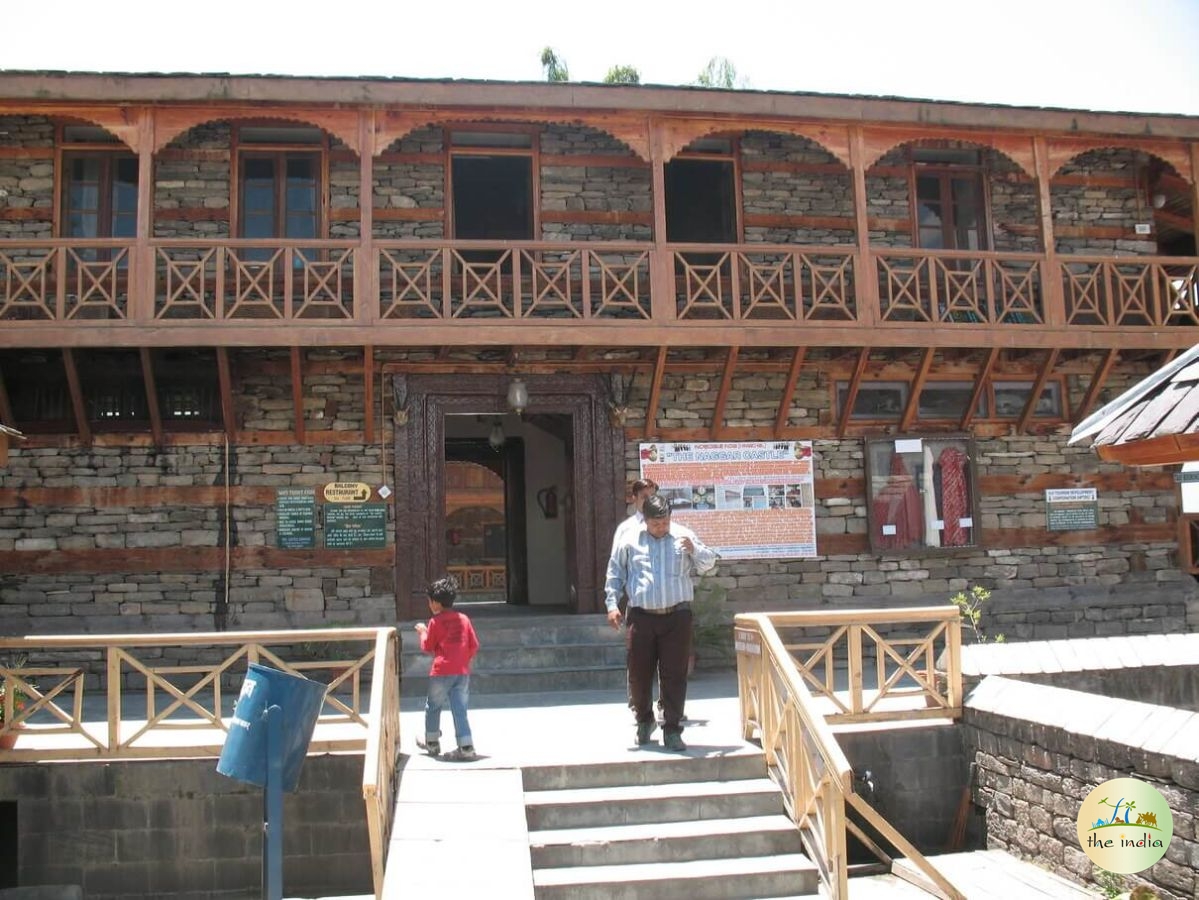
Naggar Castle is a historic monument located in the town of Naggar near Manali, India. It was built by the rulers of the Kullu Kingdom in the 16th century and served as their residence.
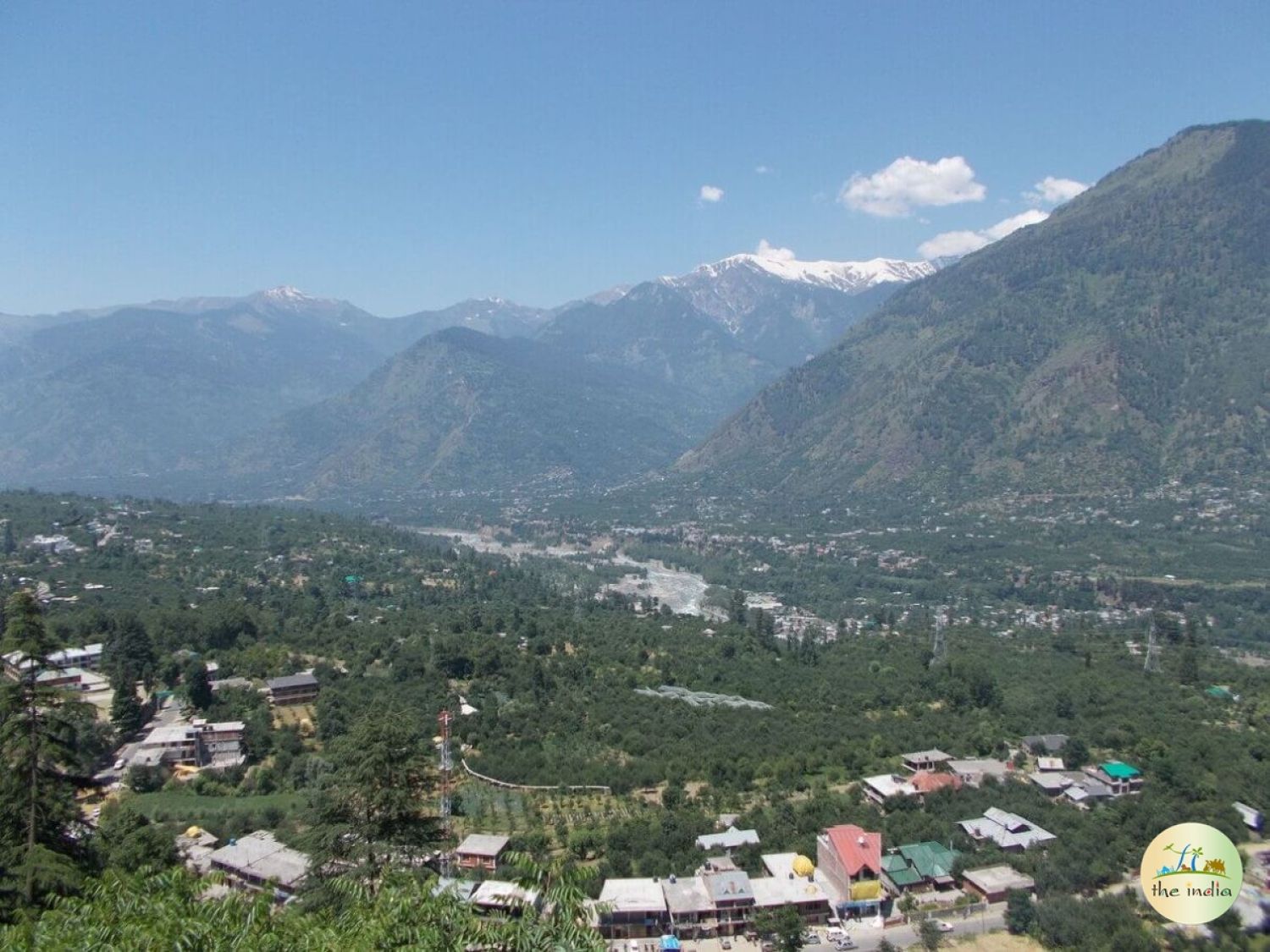
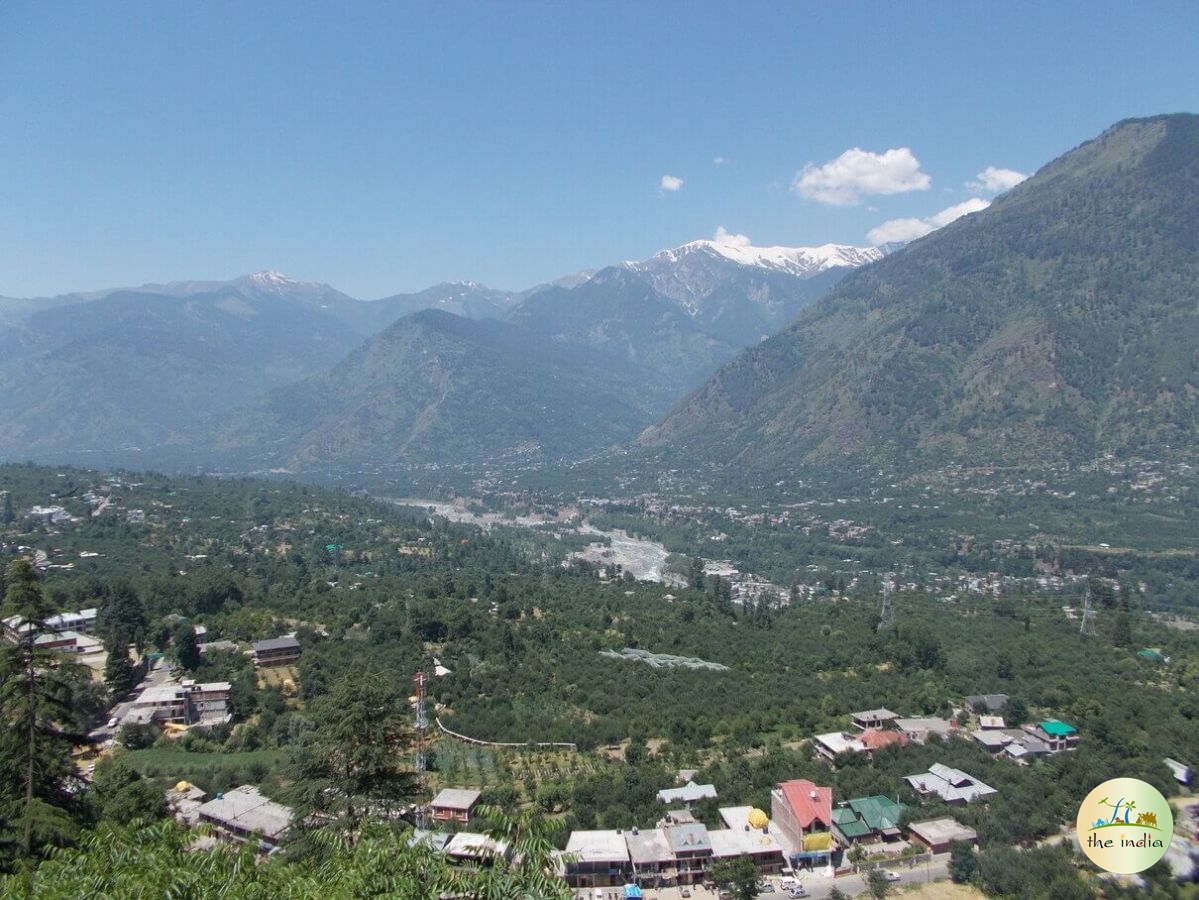
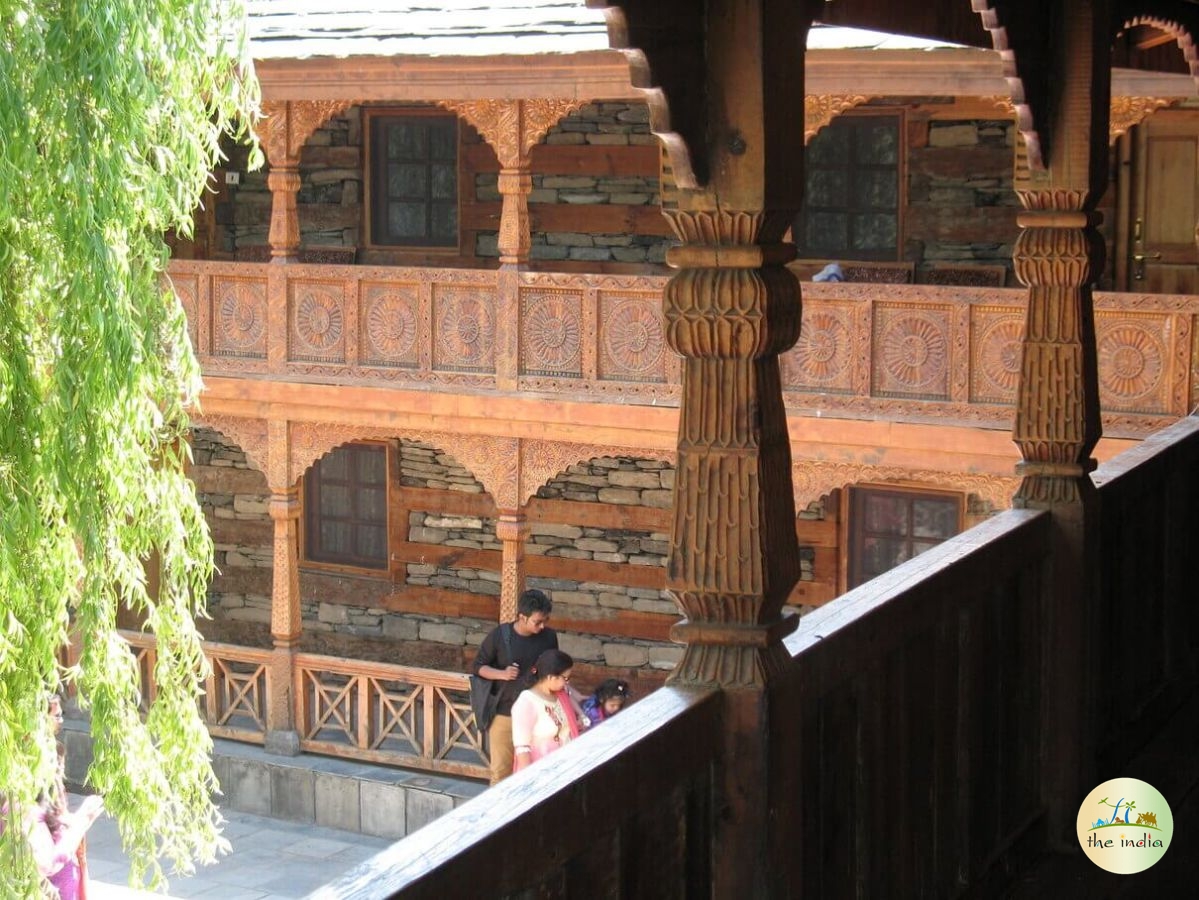
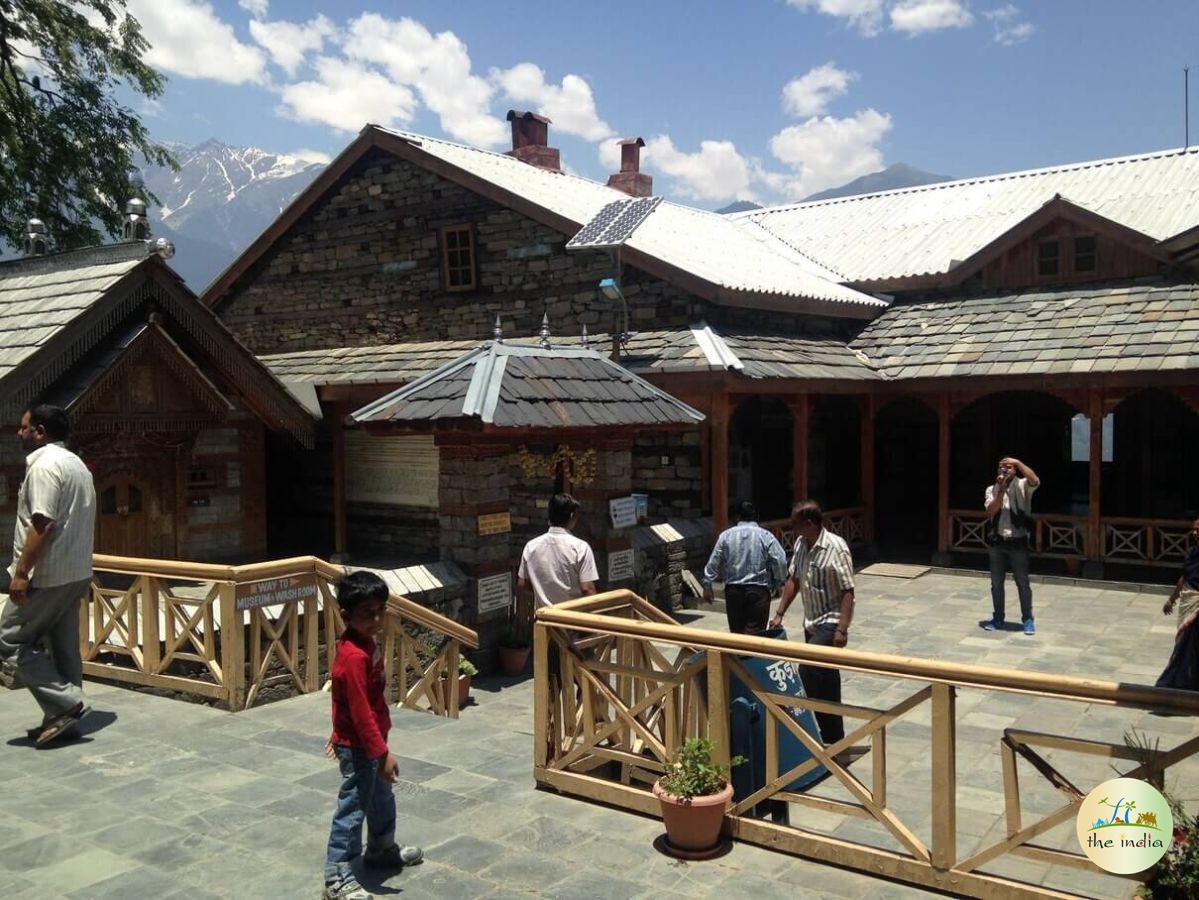
Explore Naggar Castle through captivating images that showcase their rich culture, history, and charm.



The nearest Airport is Bhuntar Airport, which is approximately 32 km away from Naggar Castle.
Joginder Nagar Railway Station is the nearest railway station, which is approximately 130 km away.
Naggar Castle is well connected with nearby major cities like Kullu, Manali, and Shimla by road.
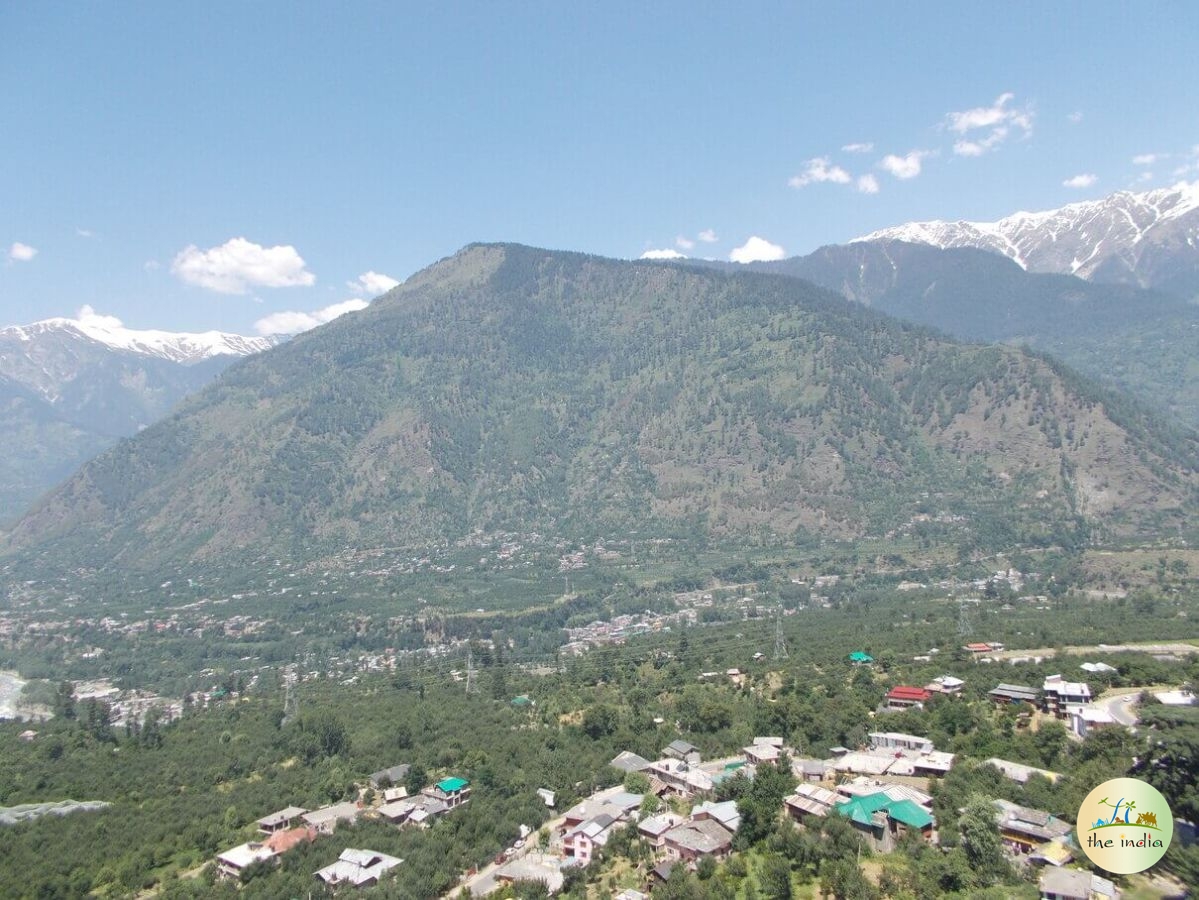
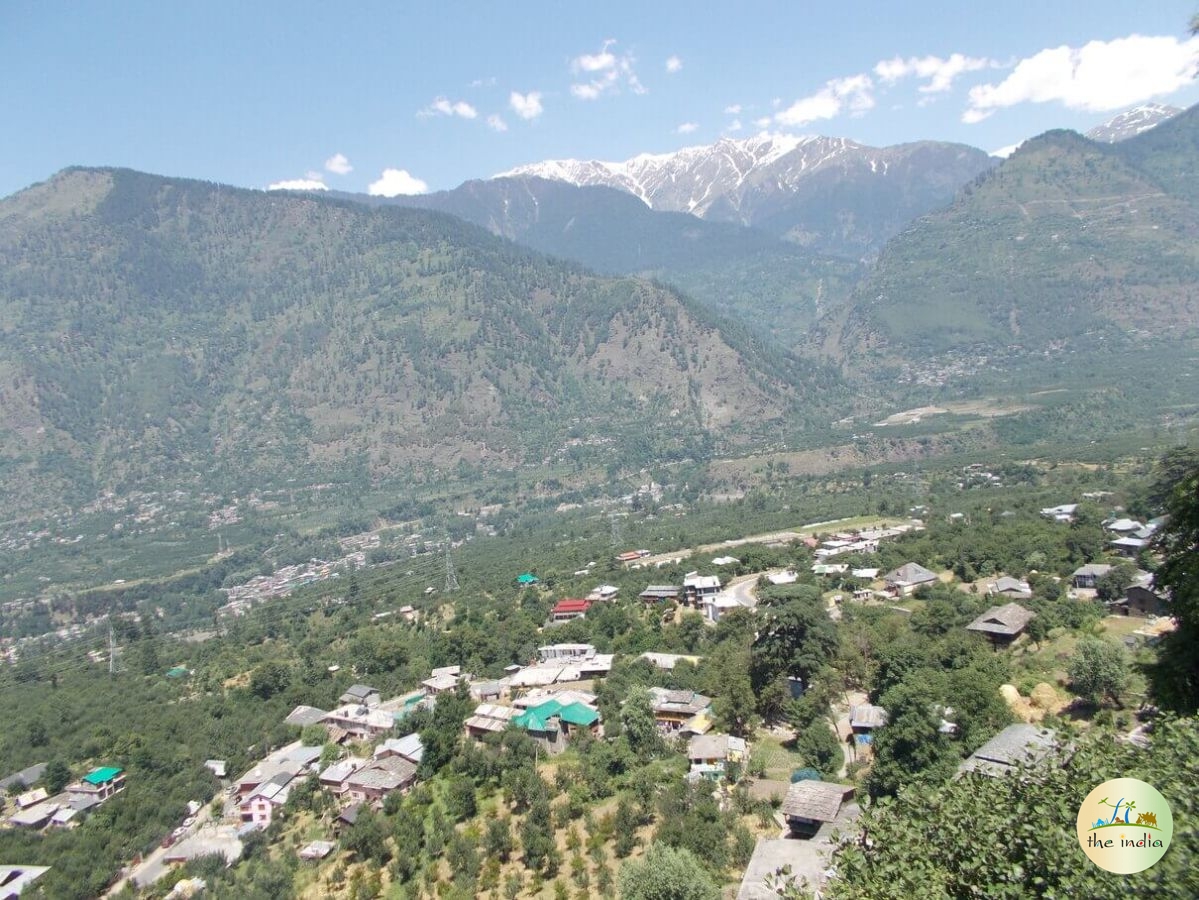
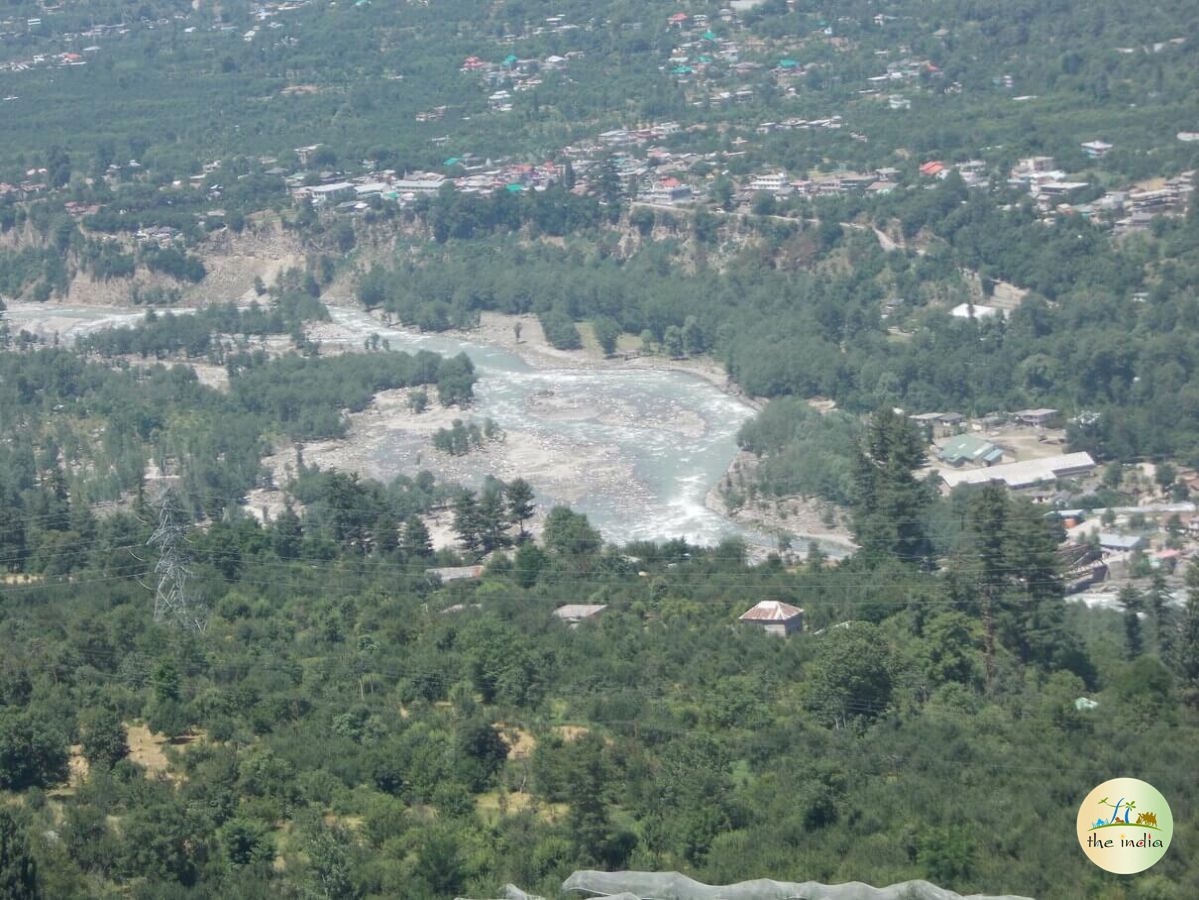
Naggar Castle is a historic heritage property located in Naggar village, Kullu district, Himachal Pradesh. It stands on a hill above the Beas River valley, and from here you can see the Kullu valley and the mountains around it. The castle is one of the few surviving examples of traditional Himachali kath-kuni architecture, where stone and wood are layered together without mortar. Today it functions as a heritage hotel managed by the Himachal Pradesh Tourism Development Corporation (HPTDC), and its grounds are open for visitors to explore.
Naggar Castle is also known as the home of the Nicholas Roerich Art Gallery, which displays works by the famous Russian painter Nicholas Roerich who settled in Naggar in the 1920s and spent more than two decades here. The combination of historical architecture, art, and mountain views makes Naggar a worthwhile stop for anyone travelling through Kullu or Manali.
| Information | Details |
| Location | Patlikuhal - Naggar Rd, Patlikuhal, Naggar, Himachal Pradesh 175130 |
| Famous For | Kath-kuni architecture, Nicholas Roerich Art Gallery, Kullu valley views |
| Entry Fee | Castle grounds: Free; Nicholas Roerich Gallery: Rs. 20–30 per person |
| Gallery Timings | 10:00 am to 5:00 pm (Monday Closed) |
| Best Time to Visit | March to June, September to November |
| Also Known As | Naggar Fort |
| Distance from Manali | 23 km |
| Distance from Kullu | 28 km |
Naggar Castle was built around 1460 CE by Raja Sidh Singh, who ruled the Kullu kingdom at that time. The castle served as the royal seat of the Kullu rulers for several centuries before the capital was later moved to Sultanpur (present-day Kullu town). For much of this period, Naggar remained the political and administrative center of the Kullu valley.
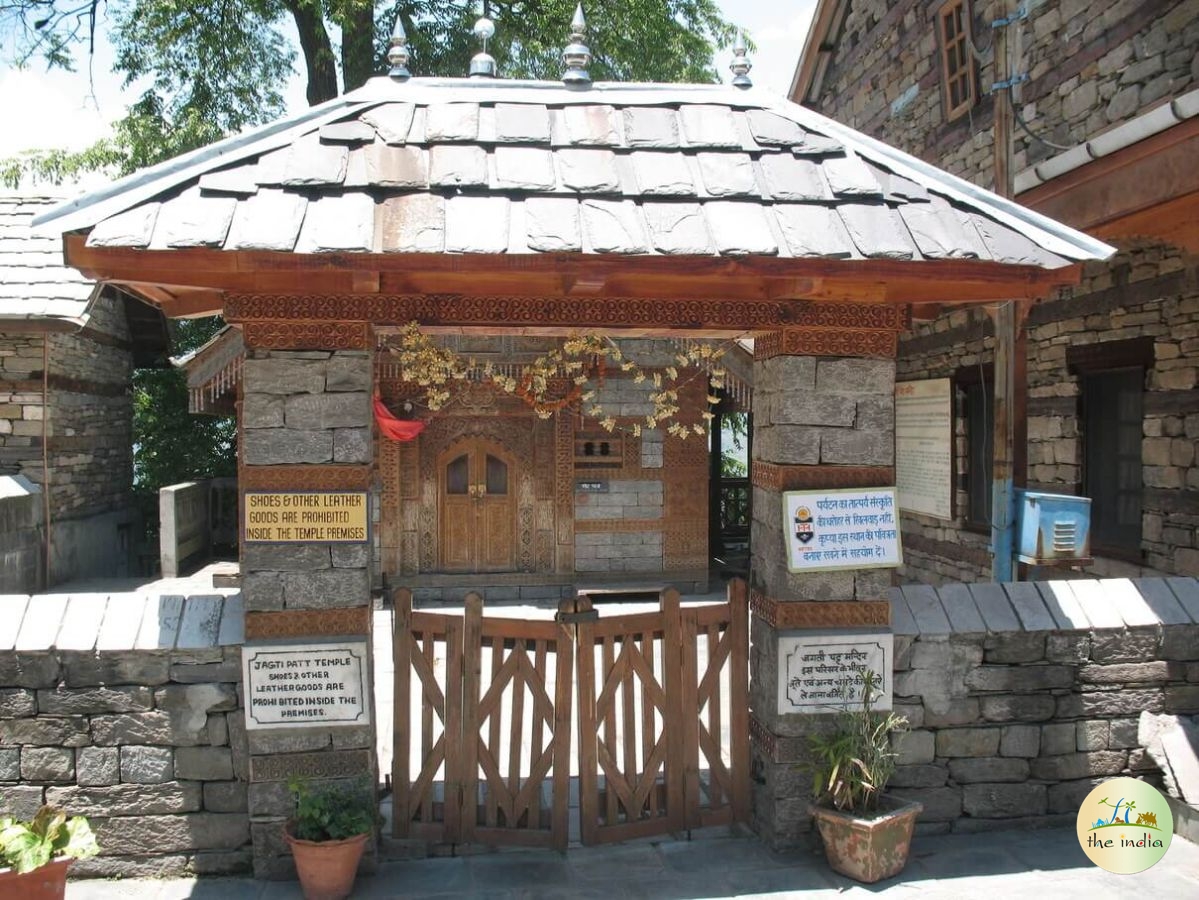
The construction method used is kath-kuni, a traditional Himachali building technique where flat stones are stacked in horizontal layers alternating with wooden planks. This style gives the walls flexibility during earthquakes, which made it a practical choice in the mountain region. The castle has withstood centuries of tough Himalayan winters and occasional earthquake activity without major physical damage.
In the early 20th century, the Russian artist and philosopher Nicholas Roerich came to Naggar and made it his home from 1928 until his death in 1947. His estate and art collection became the Roerich Estate and gallery complex, which is now managed separately from the castle hotel but sits within the same grounds. Roerich's presence put Naggar on the map internationally and continues to draw visitors interested in art and history alike.
Naggar Castle in Kullu district is famous for its centuries-old kath-kuni architecture and its connection to Nicholas Roerich, whose paintings of Himalayan scenery are recognised worldwide. The castle is one of a small number of heritage buildings in Himachal Pradesh that is still accessible to the general public, and it offers a rare combination of art, history, and mountain scenery in one location.
The castle grounds and courtyard are free to enter. There is no ticket required to walk around the heritage hotel premises or view the exterior architecture.
| Attraction | Entry Fee |
| Castle Grounds (courtyard, exterior) | Free |
| Nicholas Roerich Art Gallery | Rs. 50 per person |
| HPTDC Heritage Hotel Stay | As per current HPTDC room tariff |
Naggar Castle grounds are accessible during daylight hours. The Nicholas Roerich Art Gallery has fixed timings:
| Section | Timings |
| Castle Grounds | Open during daylight hours |
| Nicholas Roerich Art Gallery | 10:00 am to 5:00 pm (Monday) |
| HPTDC Heritage Hotel Reception | 24 hours (for hotel guests) |
The best time to visit Naggar Castle is from March to June and again from September to November. During these months the weather in Kullu district is clear and comfortable, with temperatures staying between 10°C and 25°C. The views across the Kullu valley are at their best when the skies are clear, which is most reliable in April, May, October, and November.
July and August bring monsoon rains to the region. While Naggar does not flood, the roads can be slippery, visibility is often poor, and landslides occasionally affect routes between Kullu and Manali. December to February is cold, with temperatures dropping well below zero at night. The castle itself remains accessible in winter but the drive up the ridge road can be challenging after snowfall.
If you are travelling through Himachal Pradesh, Naggar pairs naturally with visits to the Sarahan Village and the nearby Sangla Valley in Kinnaur, both of which are known for traditional Himachali culture and mountain scenery.