
Sangla Valley is a long and beautiful valley in the Kinnaur district of Himachal Pradesh, carved by the Baspa River as it flows down from the high mountains near the Indo-Tibet border.
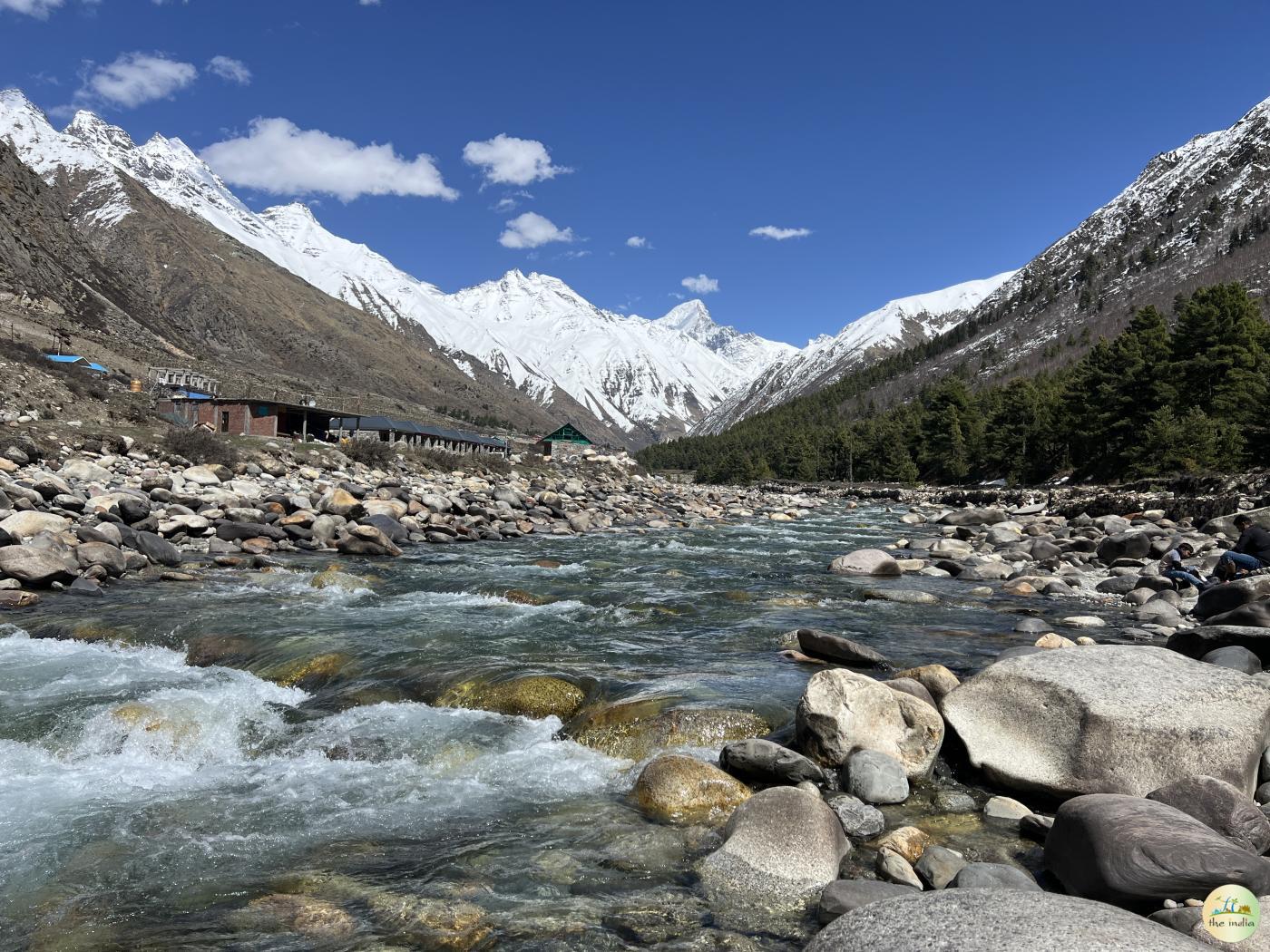
Explore Sangla Valley through captivating images that showcase their rich culture, history, and charm.

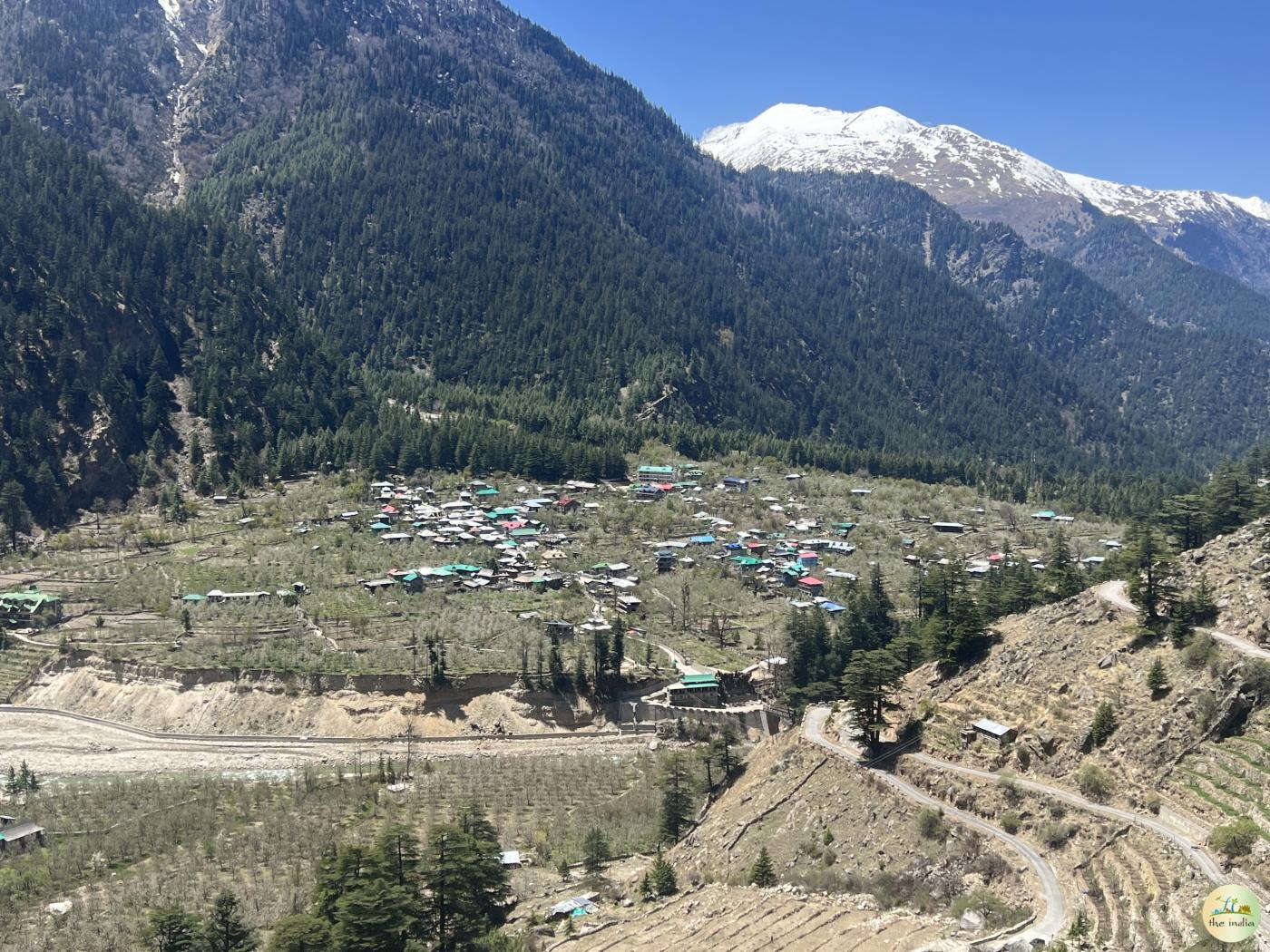
Enjoy guided tours to Shimla's historic landmarks, local destinations, and rich culture. Book your adventure today and create unforgettable memories!
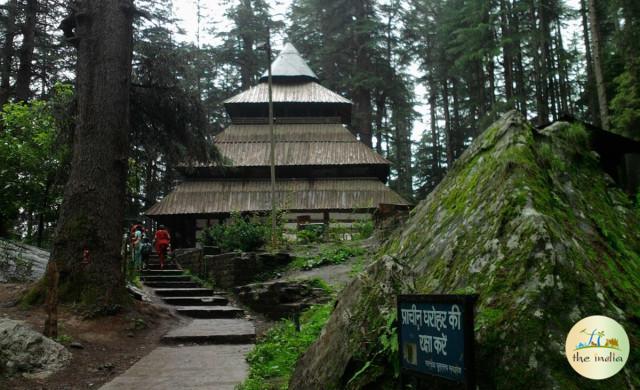
3(1 Reviews)
7D/6N
Kullu Manali Tour Package from Bhopal (6 Nights-7 Days)
 Madhya Pradesh, India
₹ 35,000
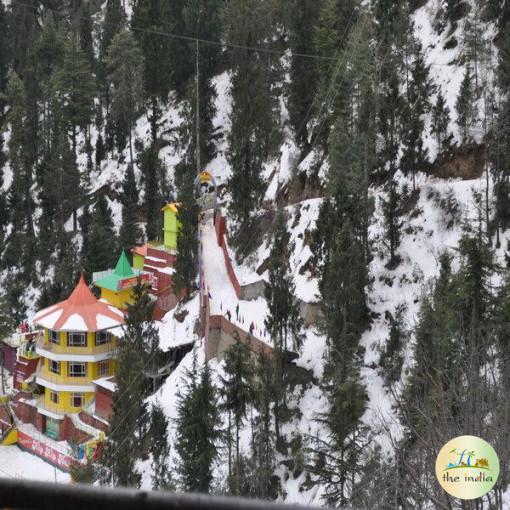
5(1 Reviews)
4D/3N
3 Nights 4 Days Shimla Package From Delhi Best Trip at Affordable Price
Delhi, India
₹ 10,999
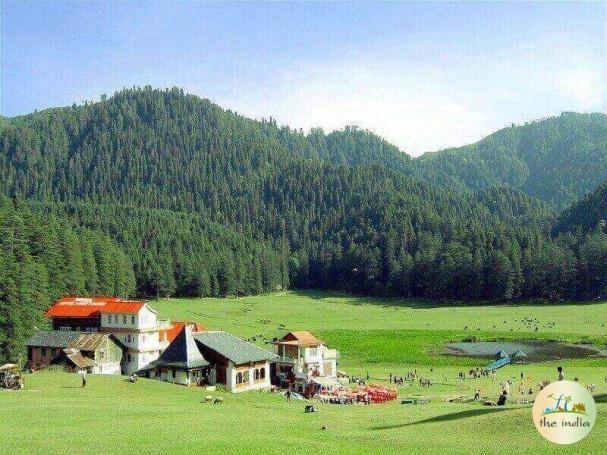
4(1 Reviews)
4D/3N
Spectacular Shimla Tour Package from Chandigarh (3 Nights-4 Days)
Chandigarh, India
₹ 12,000

5(1 Reviews)
10D/9N
Shimla Manali Dharamshala Dalhousie Tour Package (9 Nights-10 Days)
Chandigarh, India
₹ 40,000
Sangla Valley is a long and beautiful valley in the Kinnaur district of Himachal Pradesh, carved by the Baspa River as it flows down from the high mountains near the Indo-Tibet border. The valley stretches for about 40 km from Karcham, where the Baspa meets the Sutlej, all the way up to Chitkul, the last settled village before the border. Sangla town, which gives the valley its name, located at an altitude of about 2,650 meters on the right bank of the Baspa River and is about 222 km from Shimla. It is about a 7 to 8 hour drive from Shimla on winding mountain roads.
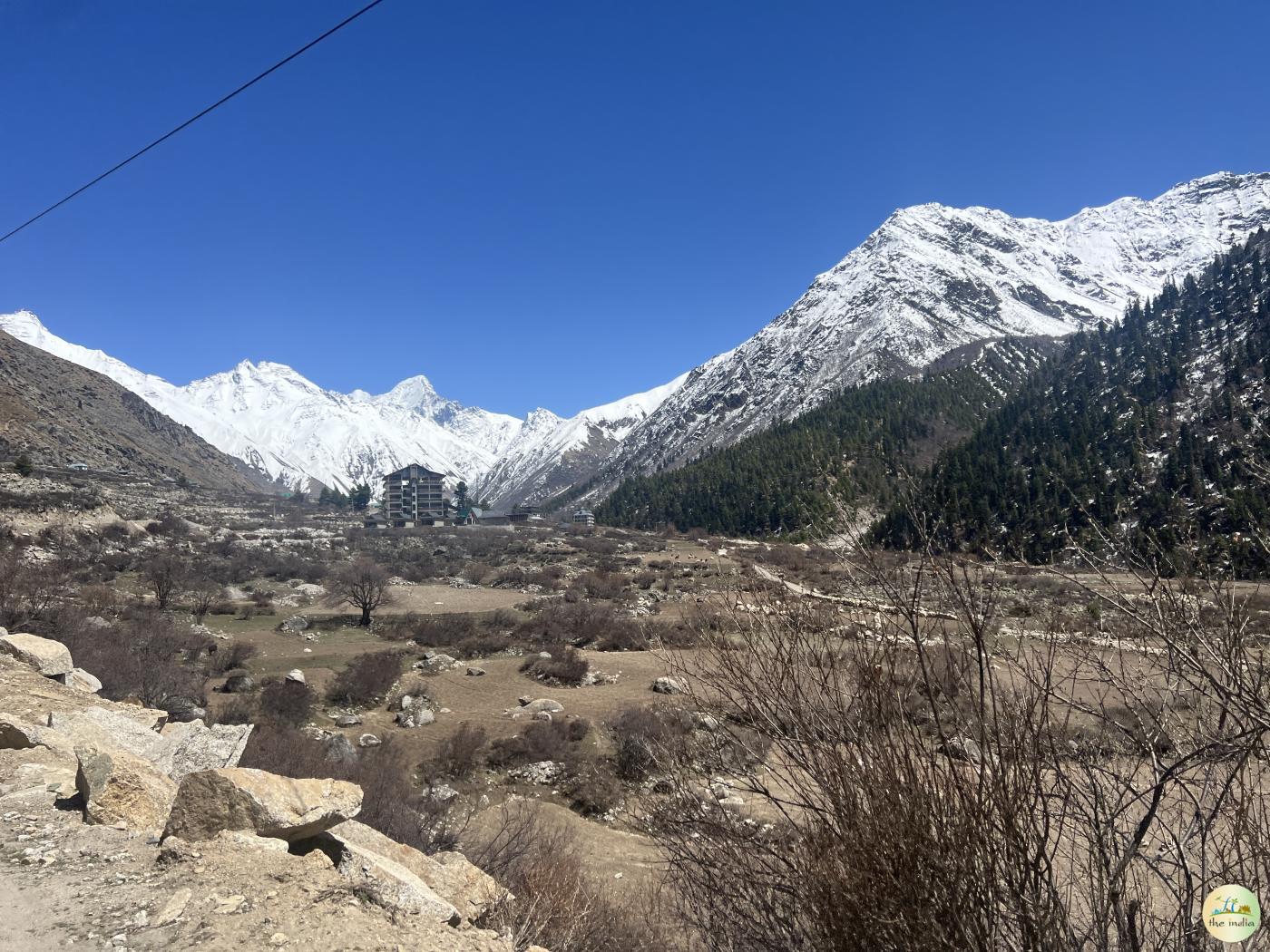
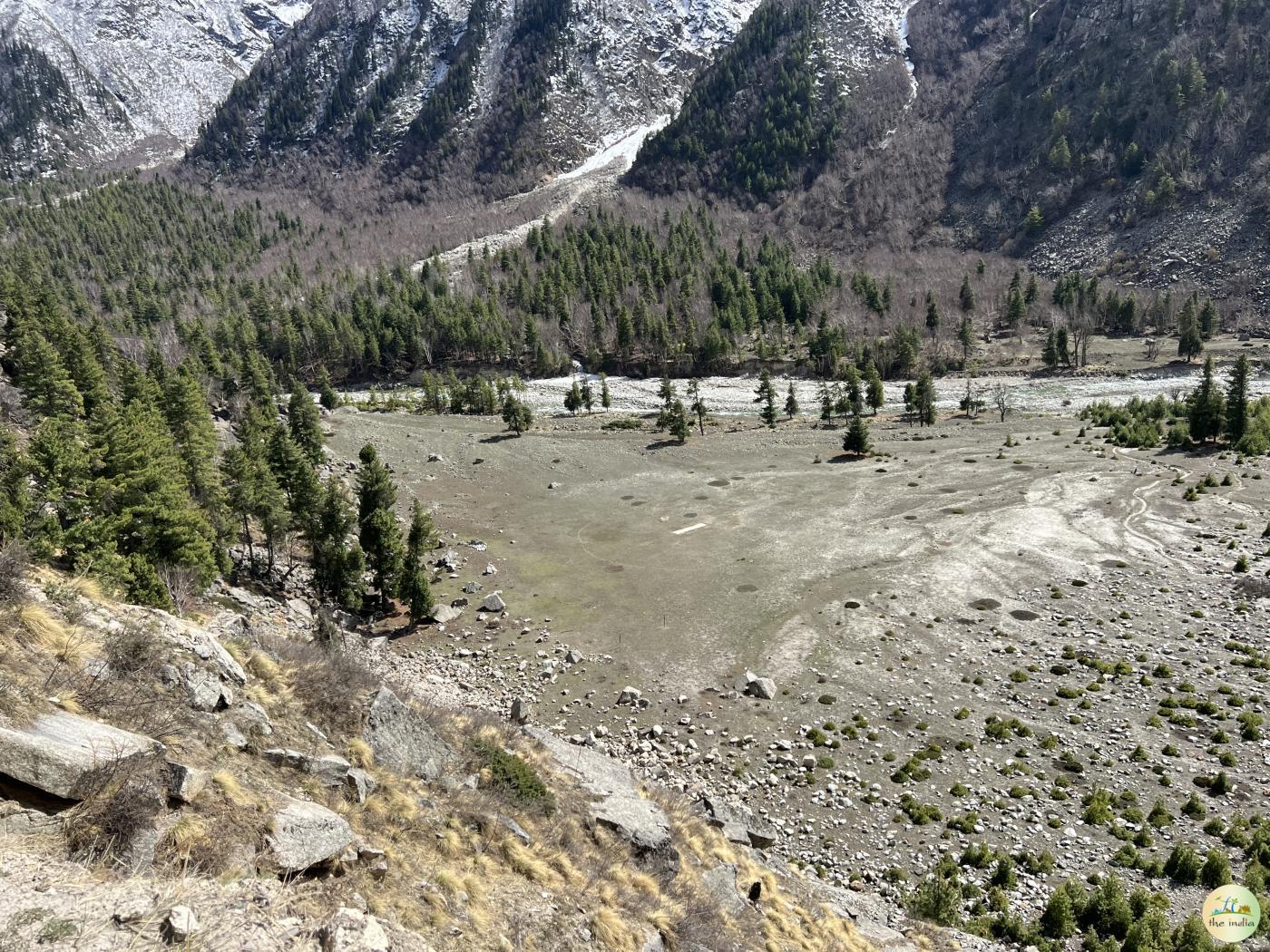
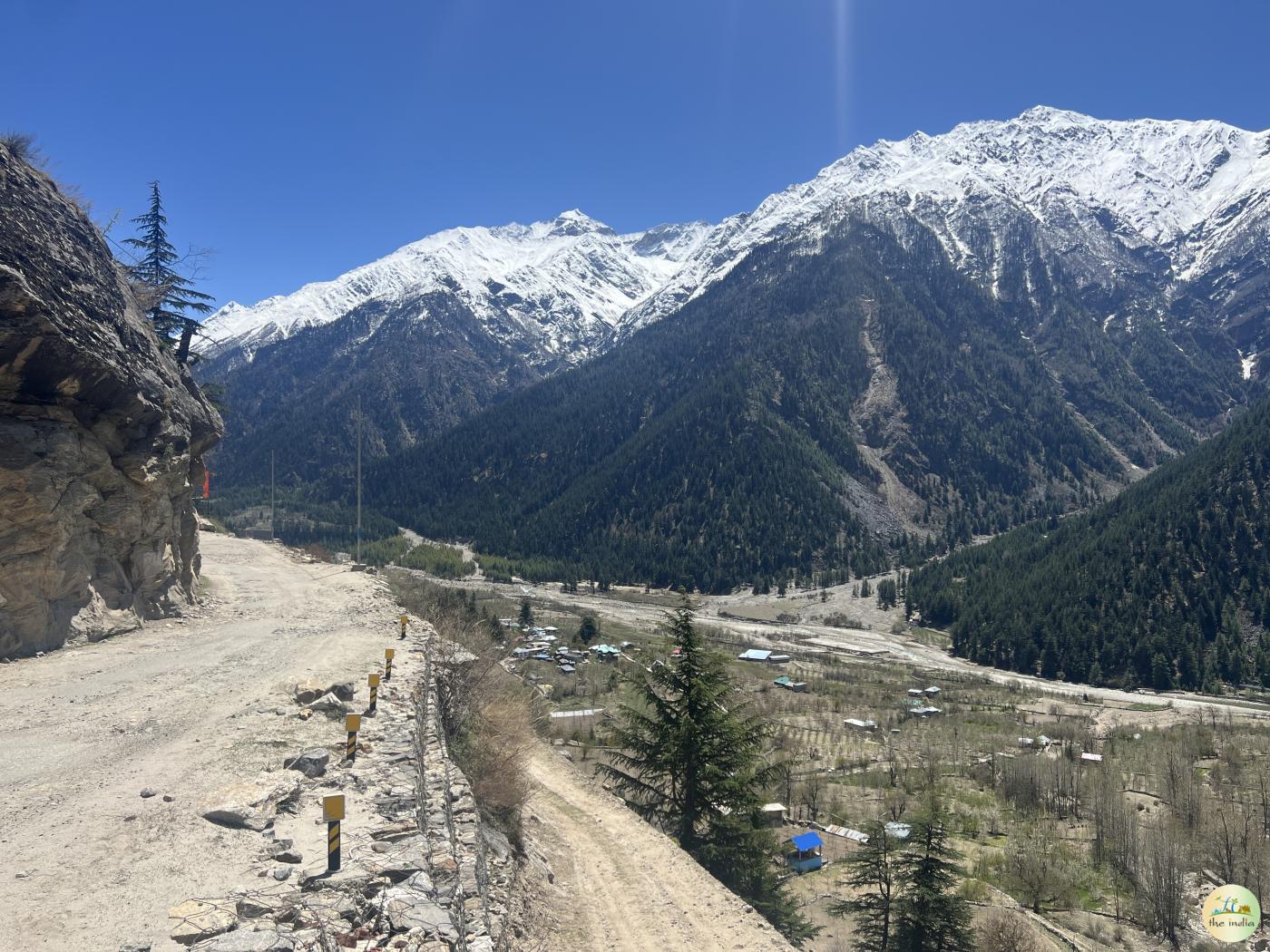
The Sangla Valley is one of the most beautiful valleys you will find in Himachal Pradesh. This place has something for every kind of traveller – a fast-flowing glacial river, dense forests of deodar and oak on the lower slopes, open apple and cherry orchards on the terraced hillsides, high-altitude meadows above the treeline, and a backdrop of snow-capped peaks. The valley has its own distinct culture rooted in the traditions of the Kinnauri people, with ancient wooden temples, forts, and traditional stone-and-wood architecture in its villages.
The valley is off the more commercial tourist trail – unlike Shimla or Manali, it does not have the crowds or commercialisation associated with mainstream hill stations. This is part of its appeal for travelers who want a genuine Himalayan valley experience. If you are planning a trip to Himachal Pradesh, Sangla Valley is one place you should not miss.
| Location | Sangla, Kinnaur District, Himachal Pradesh (on Baspa River) |
| Famous For | Baspa River, Kamru Fort, apple orchards, Bering Nag Temple, trout fishing, Chitkul access |
| Entry Fee | Free |
| Distance from Shimla | Approximately 222 km by road |
| Distance from Karcham | 18 km |
| Altitude | Approximately 2,650 meters (8,690 feet) |
| Best Time to Visit | April to June and September to October |
| Also Known As | Baspa Valley |
The Sangla Valley has been inhabited for centuries by the Kinnauri people, whose culture and religion reflect the meeting point of Hindu and Tibetan Buddhist traditions at this high-altitude border area. The name Sangla is said to derive from a Tibetan word meaning "Pass of Light." The valley was historically part of the Bushahr kingdom's territory and served as an important agricultural and pastoral zone for the communities of Kinnaur.
The ancient trade route between the Indian plains and Tibet passed through the lower end of the valley near Karcham. The valley communities produced wool, grain, and dried fruits that were traded along this route for centuries. The construction of the Karcham–Wangtoo Hydroelectric Project in the early 2000s brought significant change to the lower valley, but the upper reaches around Sangla and Chitkul have retained their traditional character.
The Kamru Fort, which overlooks Sangla from a hill about 2 km above the town, is the most significant historical structure in the valley. It dates to at least the 15th century and served as a watchtower and well-protected religious site for the Bushahr rulers and local community.
Sangla Valley in Kinnaur is famous for its natural beauty, the Baspa River, traditional Kinnauri culture, and as the access route to Chitkul – the last village on the Indo-Tibet border.
Kamru Fort is the most important historical site in the Sangla Valley. It is perched on a hill about 2 km above Sangla town and requires a short hike or taxi ride to reach. The fort complex includes the Badri Vishal Temple, a 15th-century shrine dedicated to Lord Badrinath, alongside the watchtower itself.
The Bering Nag Temple is located in the center of Sangla town, a short walk downhill from the main market. Dedicated to Lord Jagas (a local form of Lord Shiva), it is an important religious and cultural site for the Kinnauri community. The temple's carved wooden architecture is a fine example of the traditional Kinnauri style.
The Baspa River runs through the valley with force and clarity. The riverbank trails offer excellent walks through poplar and willow trees with the sound of rushing water always nearby. The river is also a good spot for trout fishing, which is a popular activity for visitors who obtain the required permit from local authorities.
Batseri is a picturesque village about 4 km from Sangla, known for its traditional Kinnauri architecture and a view of the valley that is even better than from Sangla itself. Rakchham, 15 km further up the valley, is another beautiful village on the way to Chitkul with a monastery and old wooden temples.
Several spots along the Baspa River between Sangla and Chitkul are ideal for camping or a riverside picnic. The combination of a glacial green river, forested hillsides, and high mountain peaks creates a setting that is hard to beat. Guided camping trips are available through local tour operators in Sangla.
The road from Sangla to Chitkul follows the Baspa River for 23 km through some of the most beautiful scenery in Kinnaur. Most visitors make this as a day trip from Sangla. The road is narrow and rough in places but the journey is worth every bump.
There is no entry fee to visit Sangla Valley. The valley, its villages, the Baspa River, and the main temples are all freely accessible. Visiting Kamru Fort requires a short hike – there is no ticket. If you plan to fish in the Baspa River, you will need a fishing permit from the Himachal Pradesh Fisheries Department office in Sangla or Reckong Peo.
Sangla Valley is accessible 24 hours a day. The main temples (Bering Nag Temple, Kamru Fort temple) are open from approximately 5:00 am to 8:00 am. Government offices and markets in Sangla town are open from 8:00 am to 8:00 pm. There are no official closing times for the valley itself or the riverside areas.
| Season | Months | Notes |
| Best (Blossom) | April | Apple blossom, quiet roads, fresh snow on peaks, clear skies |
| Best (Harvest) | September – October | Apple harvest, clear views, ideal trekking temperatures |
| Popular | May – June | Pleasant weather, green valley, busy but manageable |
| Avoid | November – March | Road to Sangla closed, valley inaccessible due to snow |
| Place | Distance | Highlights |
| Chitkul | 23 km | Last village on Indo-Tibet border, Mathi Temple, ITBP post |
| Kamru Fort | 2 km | 15th-century fort and temple with valley views |
| Batseri Village | 8 km | Traditional Kinnauri village and orchard walks |
| Rakcham | 15 km | Peaceful village with monastery, en route to Chitkul |
| Karcham | 18 km | Junction with Sutlej–Hindustan-Tibet Road |
| Reckong Peo | 42 km | District HQ, Kinner Kailash views, Kalpa access |
| Kalpa | 38 km | Sunrise views of Kinner Kailash, apple orchards |
Sangla Valley located at the heart of the Kinnaur circuit. Most travelers combine it with Kalpa and Reckong Peo to the east, and then drive up to Chitkul before returning.