Experience the divine power of Maa Tulja Bhavani, one of Maharashtra’s most revered Shakti temples, located in Solapur. A holy place of faith, strength, and blessings.
Published: bySRUSHTI VAIRALE,22 Jan, 2026
Places I explored :
Chhatrapati Shivaji Maharaj TerminusMy journey to Tuljapur was a soulful experience that went far beyond ordinary travel. Located in the Osmanabad district of Maharashtra, Tuljapur is one of the most revered pilgrimage destinations in the state, famous for the sacred Tulja Bhavani Temple. I visited Tuljapur with my family. As Ahmedabad is quite far from Tuljapur, we decided to start our journey from my hometown, Nagpur. We traveled from Nagpur to Dharashiv by train and reached early in the morning at 6:30 a.m. From the moment we arrived, I could feel a deep spiritual energy in the air—bright blue skies and an atmosphere shaped by centuries of devotion, belief, and tradition. From Dharashiv, we rented a pre-booked car to visit Tuljapur.

We reached Tuljapur after almost 30 minutes of travel. We stayed at a hotel named “Darshan,” which was just a five-minute walking distance from the temple. After washing up, we got ready to visit the temple. The hotel was clean and comfortable. We had breakfast at a restaurant named “Vrindavan,” which was located right beside the hotel. The food was indeed tasty. By 8:00 a.m., the temple had opened for devotees. The younger members of our group walked to the temple, while senior citizens availed the free electric vehicle service provided to reach the temple.
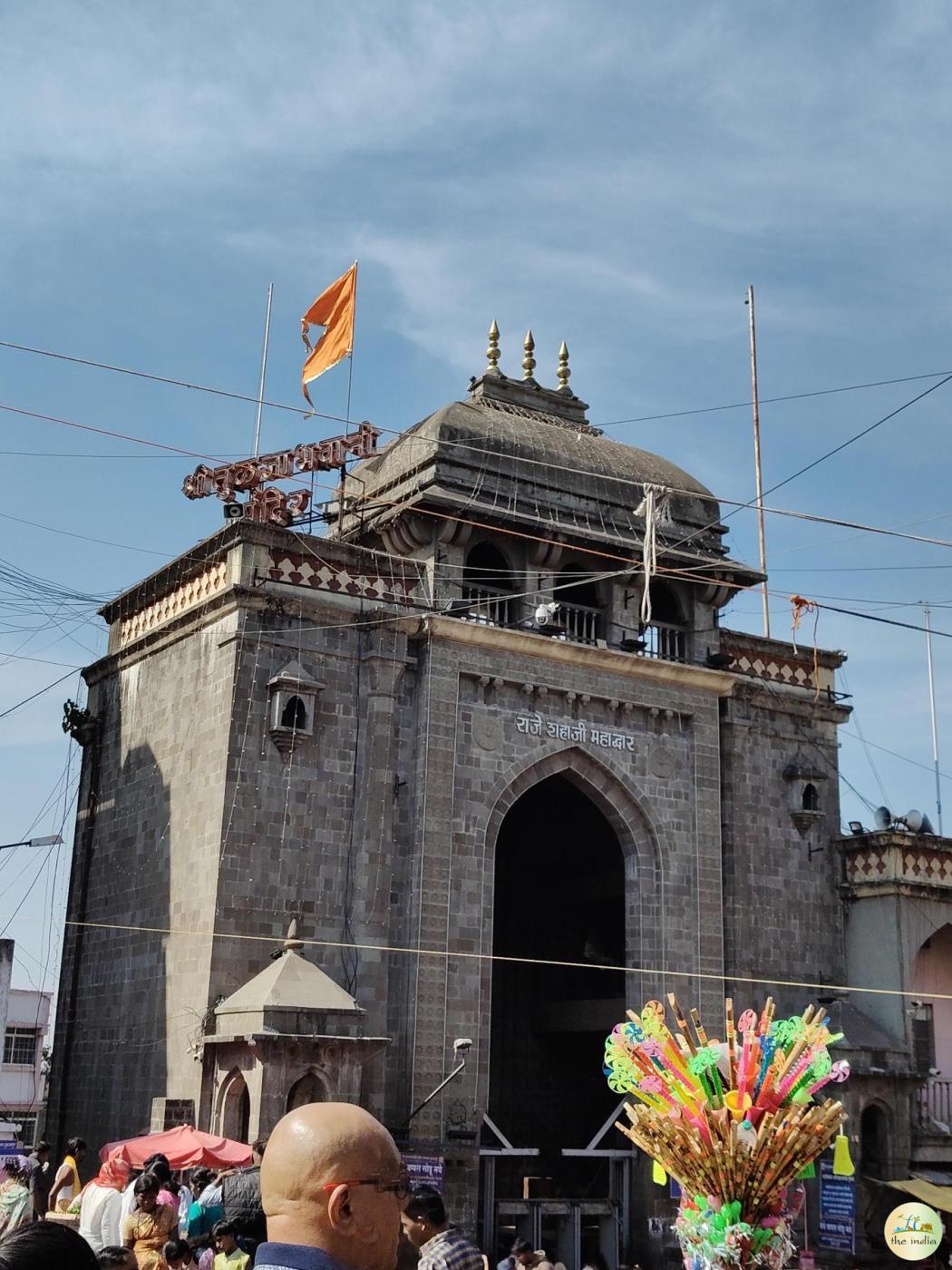
Even though we arrived early, there were already thousands of devotees standing in line. Therefore, we decided to take a pass service offered by the temple. There are two types of pass services available: the first costs ₹200 per person and allows entry through a shorter queue, while the second costs ₹500 per person and allows entry from the front end of the line. We, the younger members, opted for the first option. The temple also provides a direct, no-waiting pass service for senior citizens, which is completely free. Despite taking the pass service, we still had to wait for nearly two hours to finally enter the darshan room.
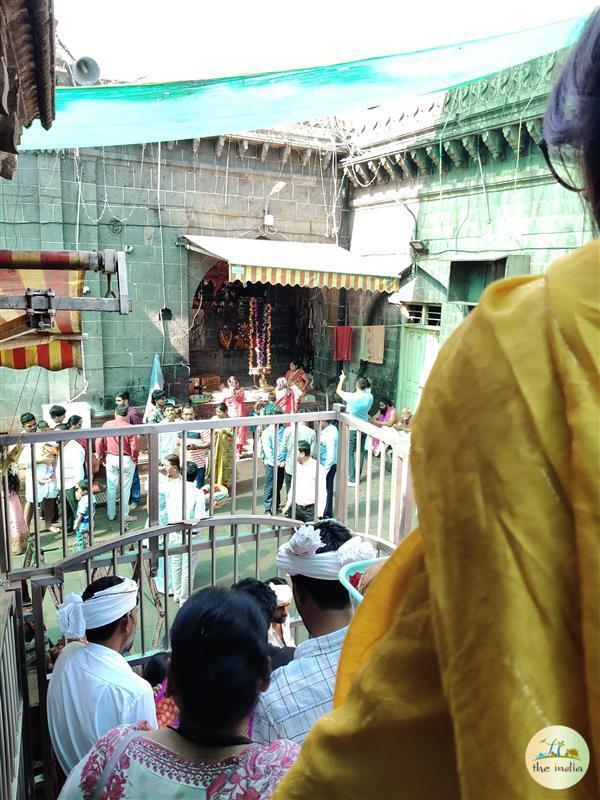
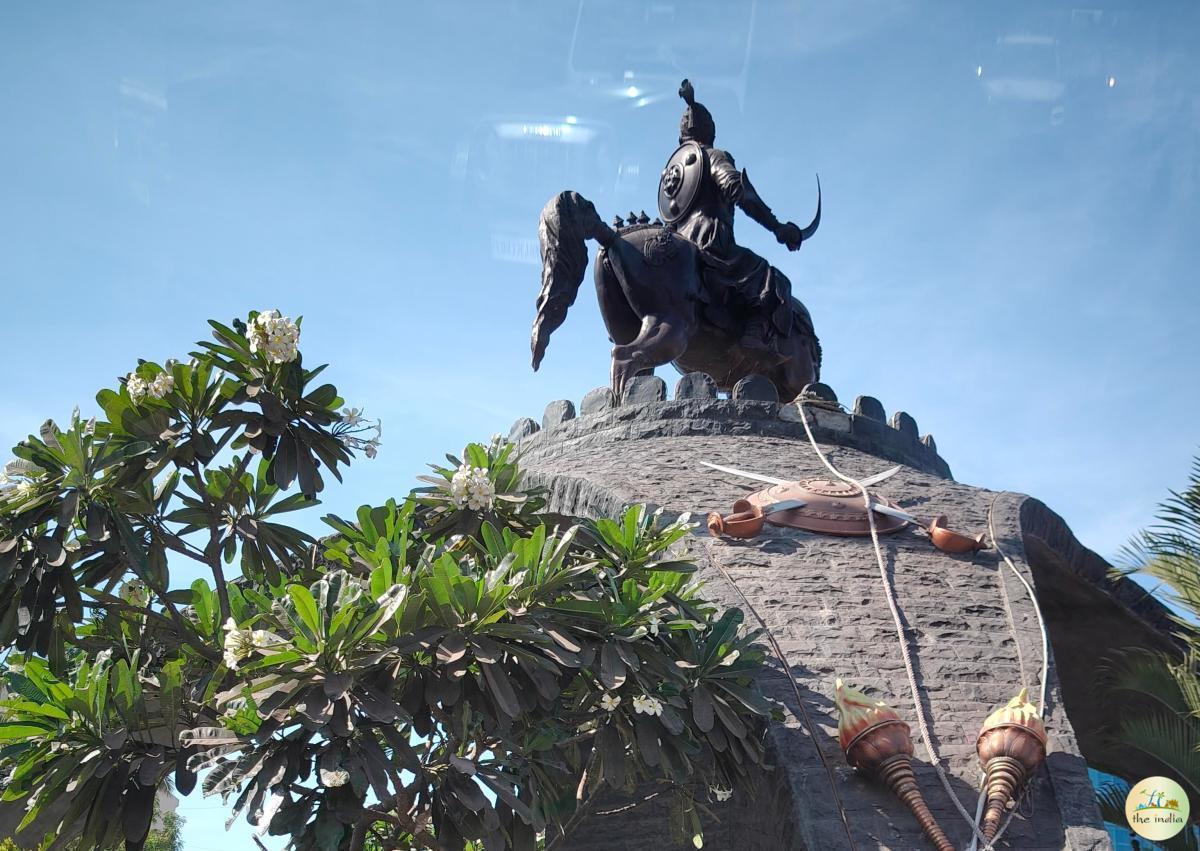
While waiting in the queue, we learned from the locals that the Tulja Bhavani Temple is dedicated to Goddess Tulja Bhavani, a powerful form of Goddess Durga and one of the important Shakti Peethas. The temple holds immense historical significance, as Goddess Tulja Bhavani is believed to be the family deity of Chhatrapati Shivaji Maharaj. Knowing this history made my visit even more meaningful, as I felt connected not only to divine faith but also to the legacy of courage and strength that defines Maharashtra’s past. As a Maharashtrian, I have always been curious to explore such historical places, as we are taught about Chhatrapati Shivaji Maharaj and his courageous Swaraj stories since childhood. It was truly amazing to witness this heritage with my own eyes.
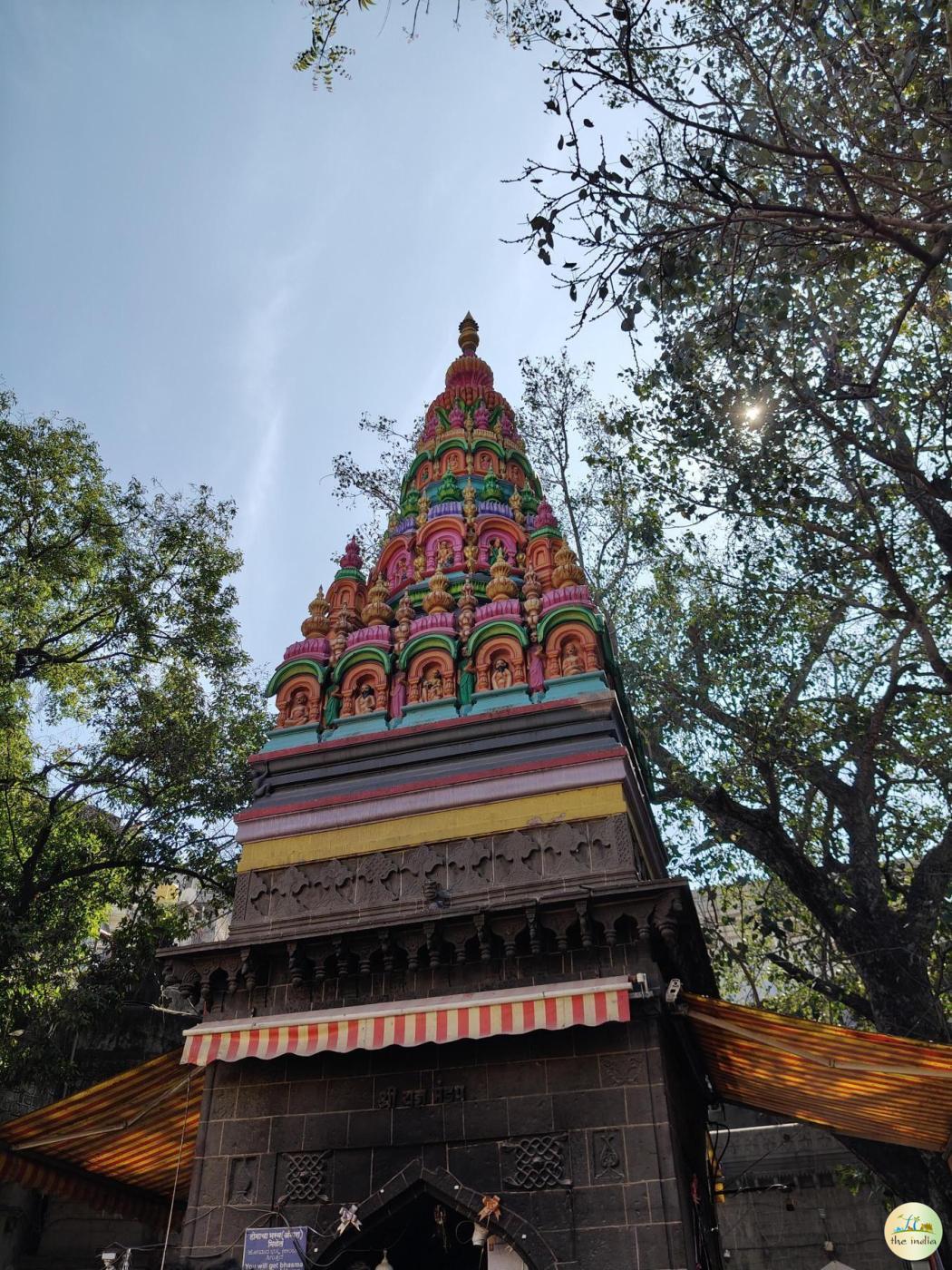
As I entered the temple, the ancient stone architecture, traditional rituals, and rhythmic chanting created a deep sense of peace and devotion within me. Witnessing the darshan of the goddess was a powerful moment—one that filled me with calm, faith, and gratitude. The devotion of fellow pilgrims, many of whom had traveled long distances on foot, reflected the immense trust and belief people place in the goddess. During our darshan, Devi Maa was said to be in Moha Nidra Awastha. The Brahmin in the temple explained that in Tuljapur, Goddess Tulja Bhavani is believed to be a living deity who goes into sleep (Nidra) three times a year, totaling about 21 days. During these periods, she is shifted to a special bed known as Manchaki Nidra. The Three Nidras are :
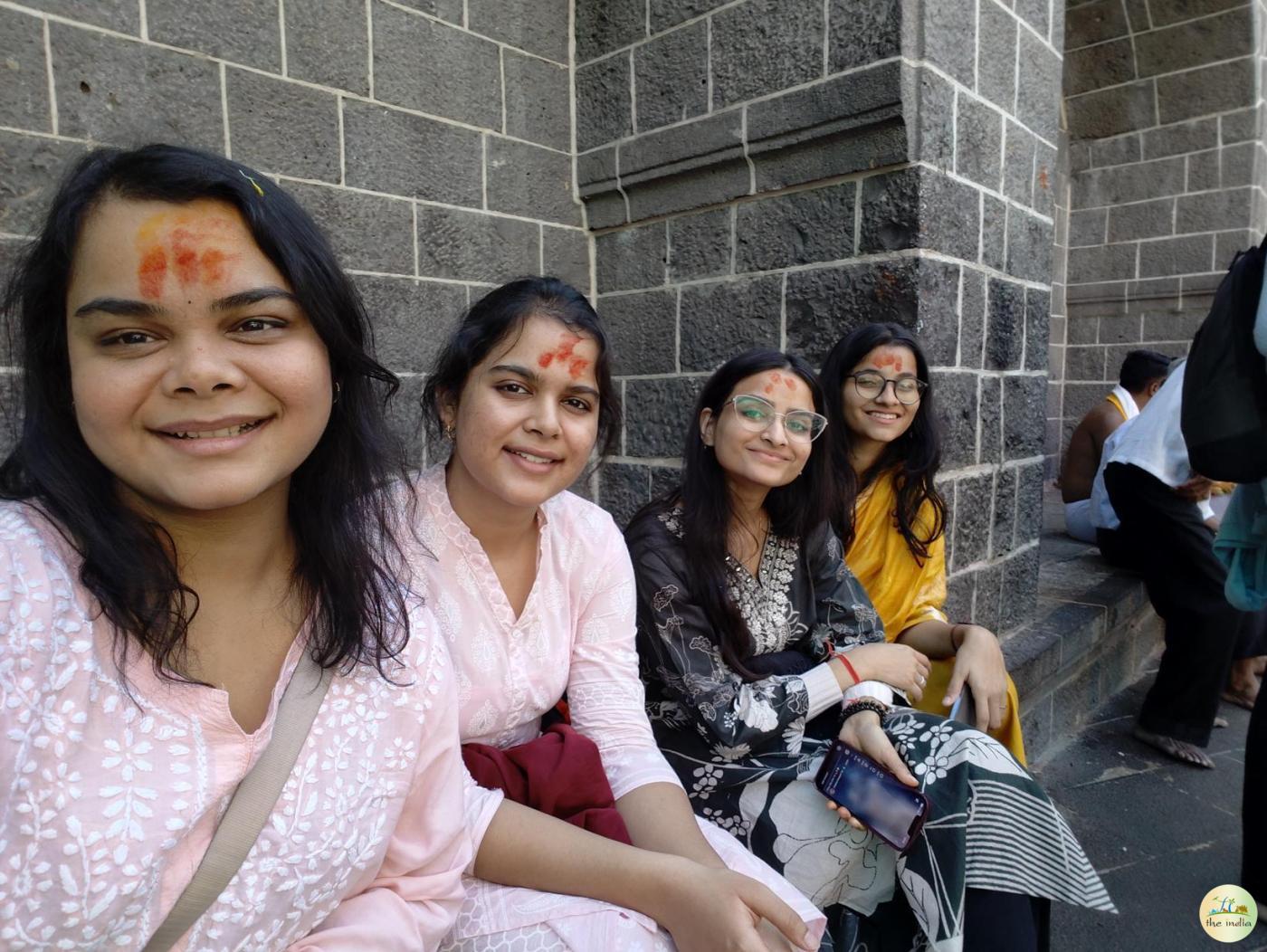
We brought extra prasad from the temple—my favorite, Kandi Pedha—for our friends and neighbors. It is believed that if you pray to Devi Mata with all your heart, she fulfills your wishes, directly or indirectly. I say this from personal experience, as I have witnessed it more than twice. That is another reason I took extra prasad. Moreover, if someone wishes to perform hawan or any kind of shanti pooja for their family or home (Vastu), there is a separate place allocated within the temple premises for this purpose. This tradition dates back to the era of Raje Shahaji Bhosle, the father of Shivaji Maharaj. The Brahmins at the temple lovingly assist devotees in performing these rituals with positivity and devotion.
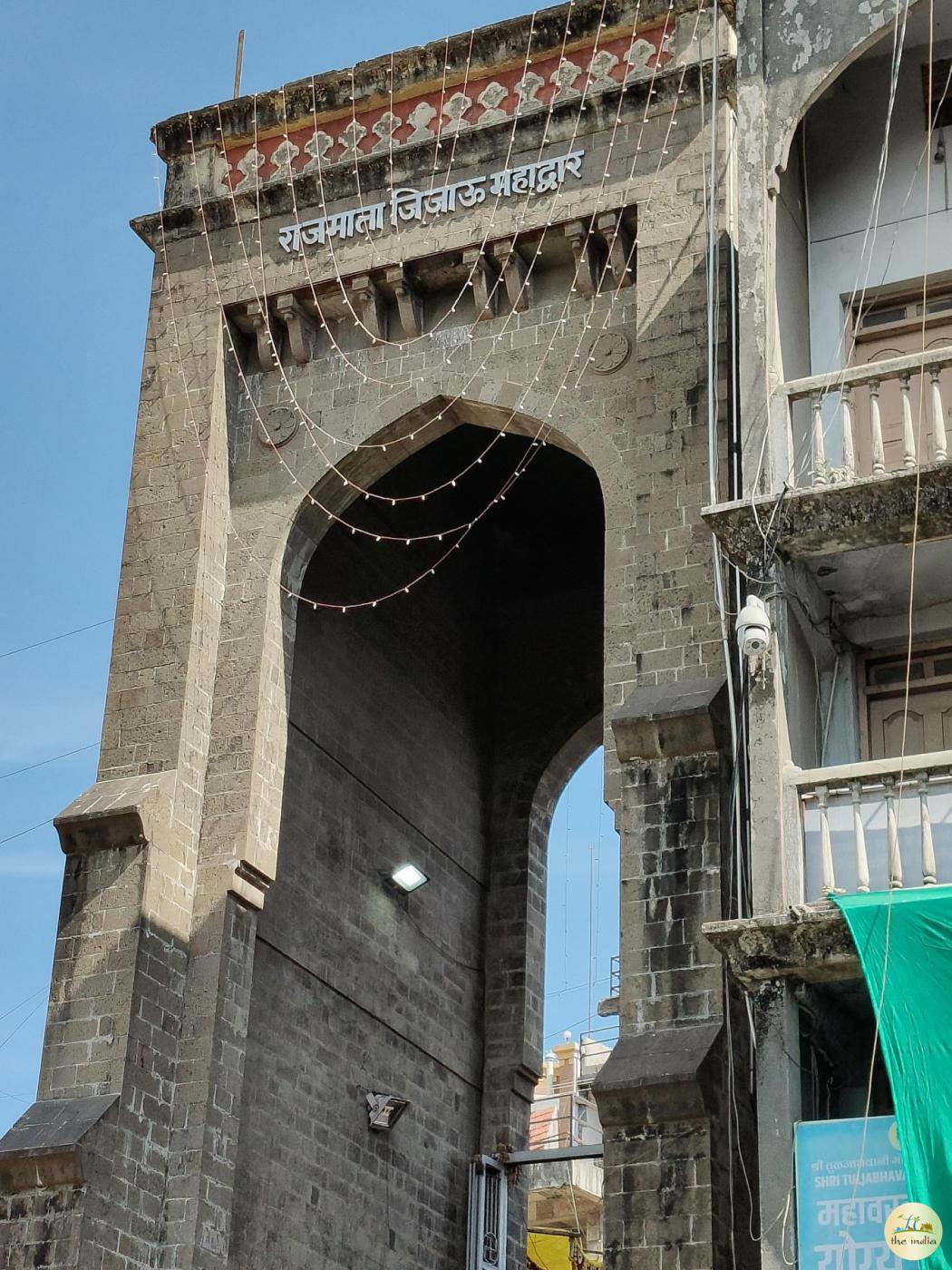
Around the temple, one can notice partially destroyed houses and a few anti-Maratha statements written on the stair-side walls. According to the locals, this damage was caused by the Mughals after the capture and execution of Chhatrapati Sambhaji Maharaj in March 1689. Following this, Mughal forces under Aurangzeb initially took control of the region and the nearby Maratha capital, Raigad. However, the Maratha resistance was soon revived under his younger brother, Chhatrapati Rajaram Maharaj, who was crowned in March 1689. Our darshan concluded around 1:00 p.m., after which we left for Pandharpur via Solapur. As we were very hungry, we decided to stop for lunch. The car driver suggested a restaurant named “Sugran.”

Unfortunately, our lunch experience there was disappointing. The service was poor, and despite repeatedly requesting it, we were not provided with normal filtered water. Additionally, the tandoori rotis were hard and cold, and the food was not worth the price. However, the restaurant’s ambience was beautiful, with Warli art painted on the interior walls.
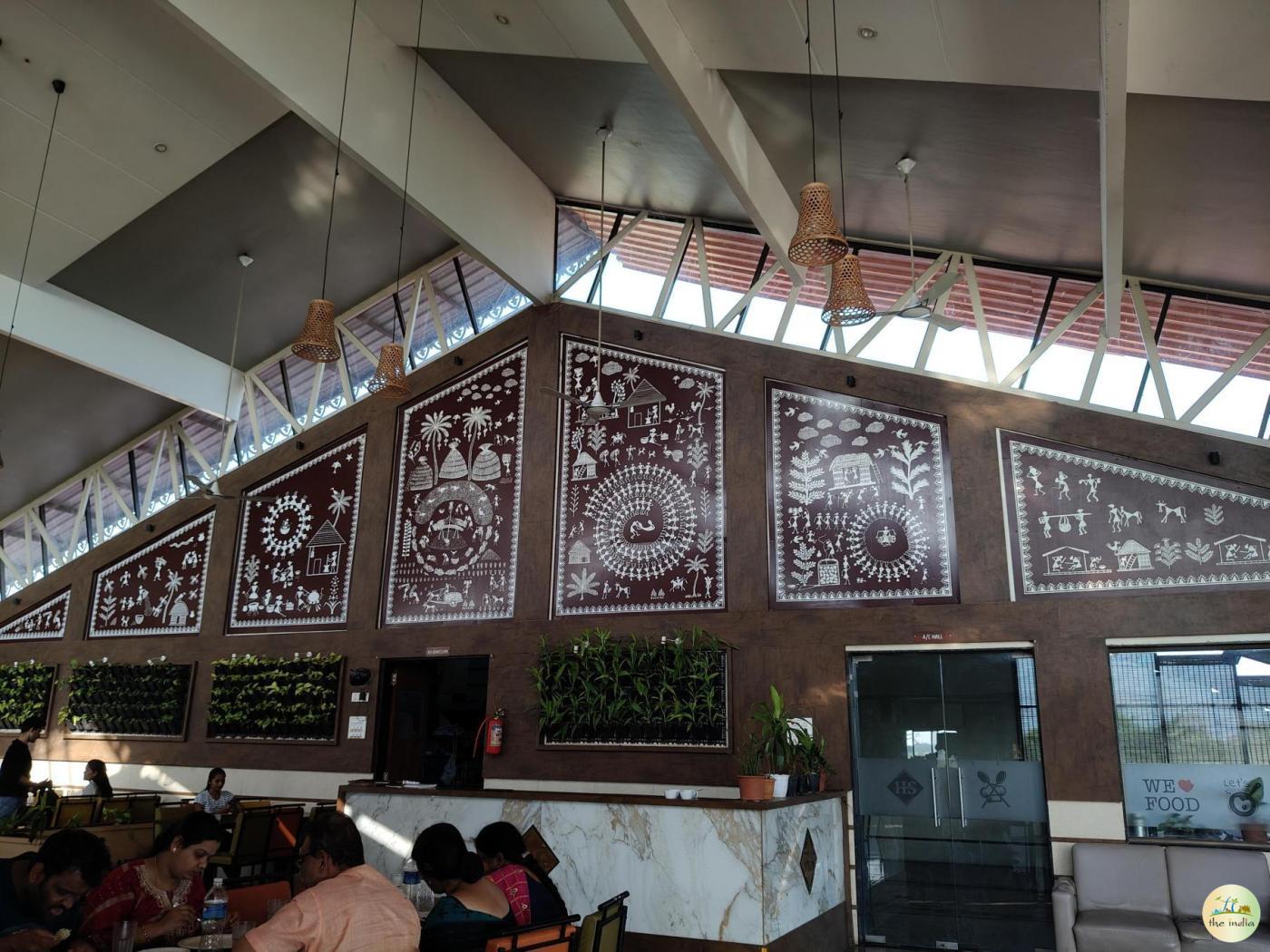
My journey also included visits to sacred places such as Pandharpur and Solapur, which are believed to hold immense religious significance and healing power. After lunch at “Sugran,” we proceeded to Pandharpur and Solapur for darshan. These places offered moments of quiet reflection and added greater depth to my spiritual experience. The simplicity of the surroundings and the devotion of the people made the visits even more enriching.
Traveling to Tuljapur gave me more than memories—it gave me inner peace, strength, and a sense of spiritual fulfillment. It reminded me that some journeys are not about distance or destinations, but about faith, belief, and personal connection. My visit to Tuljapur will always remain a meaningful chapter in my travel experiences—one that touched my heart and strengthened my spirit.
Our final stop was Solapur. From there, we returned to Ahmedabad by train, traveling from Dharashiv to Ahmedabad (evening 5 pm to next day morning 10 am).
Customize your dream vacation with our best India tour packages.
5(1 Reviews)
0D/0N
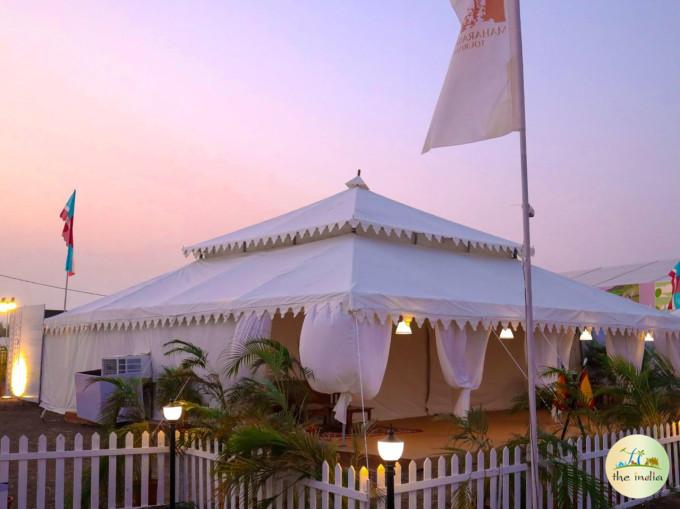
Maharashtra Eco Glamping Festival – Nature, Adventure & Luxury Stay
 Maharashtra, India
₹ 13,000