Everything you need to know before your first Indian tiger safari
Published: byDisha Doshi,13 Aug, 2026
Places I explored :
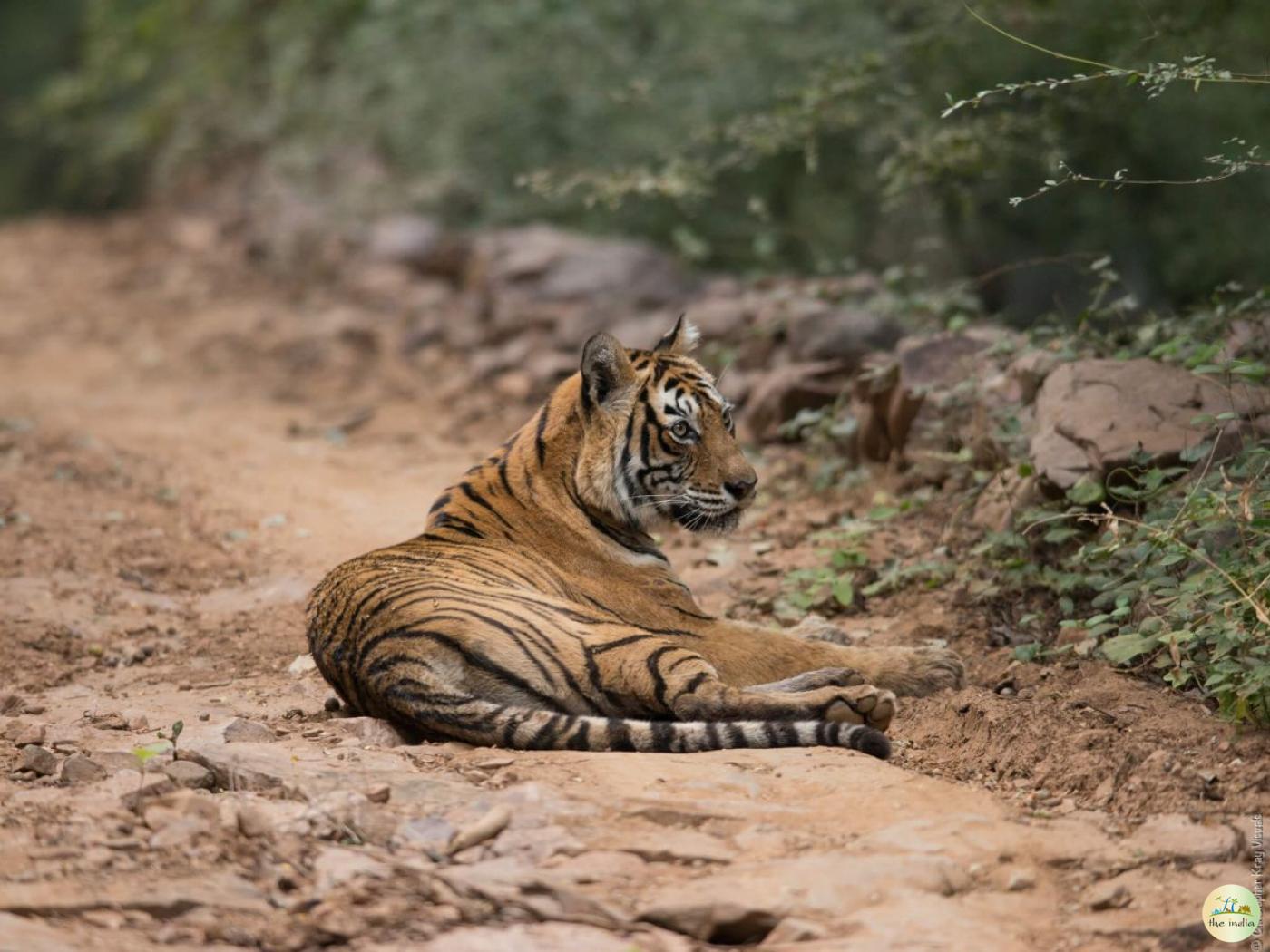
Ranthambore National ParkPlanning your first tiger safari in India can be exciting, but there is more to it than simply choosing a national park and getting into a jeep. From selecting the right destination to understanding safari permits, zones and vehicles, a little preparation can make the experience much smoother.
India is home to several tiger reserves, and each offers a different landscape and safari experience. Popular destinations include Tadoba-Andhari, Ranthambore, Kanha, Bandhavgarh, Pench and Panna. Your choice can depend on the time of year, the type of landscape you want to explore and how you want to experience the forest.
Start by deciding which tiger reserve suits your trip. Tadoba is known for its dry deciduous forests and frequent wildlife sightings, while Ranthambore combines tiger habitat with dramatic landscapes and historic surroundings. Kanha and Pench offer beautiful sal and mixed forests, while Bandhavgarh is another popular choice for travellers interested in tiger sightings.
Don't choose a park only because someone says it is "the best." Wildlife sightings are never guaranteed, and every reserve has its own character.
Once you choose a destination, check how its safari booking system works. Many Indian tiger reserves are divided into different zones or have multiple entry gates. Your permit determines where your safari can enter, so understanding the zone and gate before booking your accommodation can save you unnecessary travel time.
It is also important to book through the appropriate official or authorised channels and check the current rules before your trip, as permit procedures and availability can vary between reserves.
Your safari vehicle can influence how you experience the forest. Smaller open safari vehicles, commonly known as Gypsies in many Indian reserves, usually offer a more intimate experience and fewer passengers.
Larger shared vehicles such as Canters are available in some parks and can be a practical option for travellers looking for a shared or more budget-friendly safari.
If photography and personal space are important to you, the type of vehicle is worth considering when planning your trip.
Wildlife behaves differently throughout the year. The dry months can make animals easier to spot around water sources and open areas, while the monsoon season may bring restrictions or closures depending on the reserve.
Before booking, check the current opening dates, weather conditions and safari availability for your chosen destination.
A tiger safari is about much more than the tiger.
Listen for alarm calls from chital, sambar and langurs. Watch the movement of birds and monkeys. Look for sloth bears, leopards, deer, wild dogs and smaller species that are easy to miss when everyone is focused on finding a tiger.
Sometimes the most memorable part of a safari is hearing the forest react before you know what is happening.
Wildlife sightings should never come at the cost of disturbing an animal.
Follow your naturalist's instructions, maintain a respectful distance, avoid loud conversations and never ask a driver to chase or block an animal for a photograph. The forest is the animals' home, and travellers are visitors.
Responsible tourism also helps ensure that wildlife tourism benefits the protected areas and communities connected to them.
Once your destination, permits, accommodation and vehicle are sorted, the rest is partly out of your hands.
You may spend hours without seeing a tiger and then suddenly find one walking across the track. You may hear an alarm call and discover a leopard instead. Or you may remember the birds, landscapes and quiet moments more than the big sighting itself.
That unpredictability is what makes an Indian tiger safari special.
If you're planning your first wildlife safari in India, researching your destination and booking arrangements in advance can help you spend less time worrying about logistics and more time experiencing the forest.
Remember: a successful safari isn't only about ticking a tiger off your list. It's about experiencing the wild responsibly and appreciating everything the forest has to offer.
Customize your dream vacation with our best India tour packages.
3(1 Reviews)
6D/5N
Exotic Jaipur Tour Packages from Sawai Madhopur (5 Nights-6 Days)
 Rajasthan, India
₹ 20,000