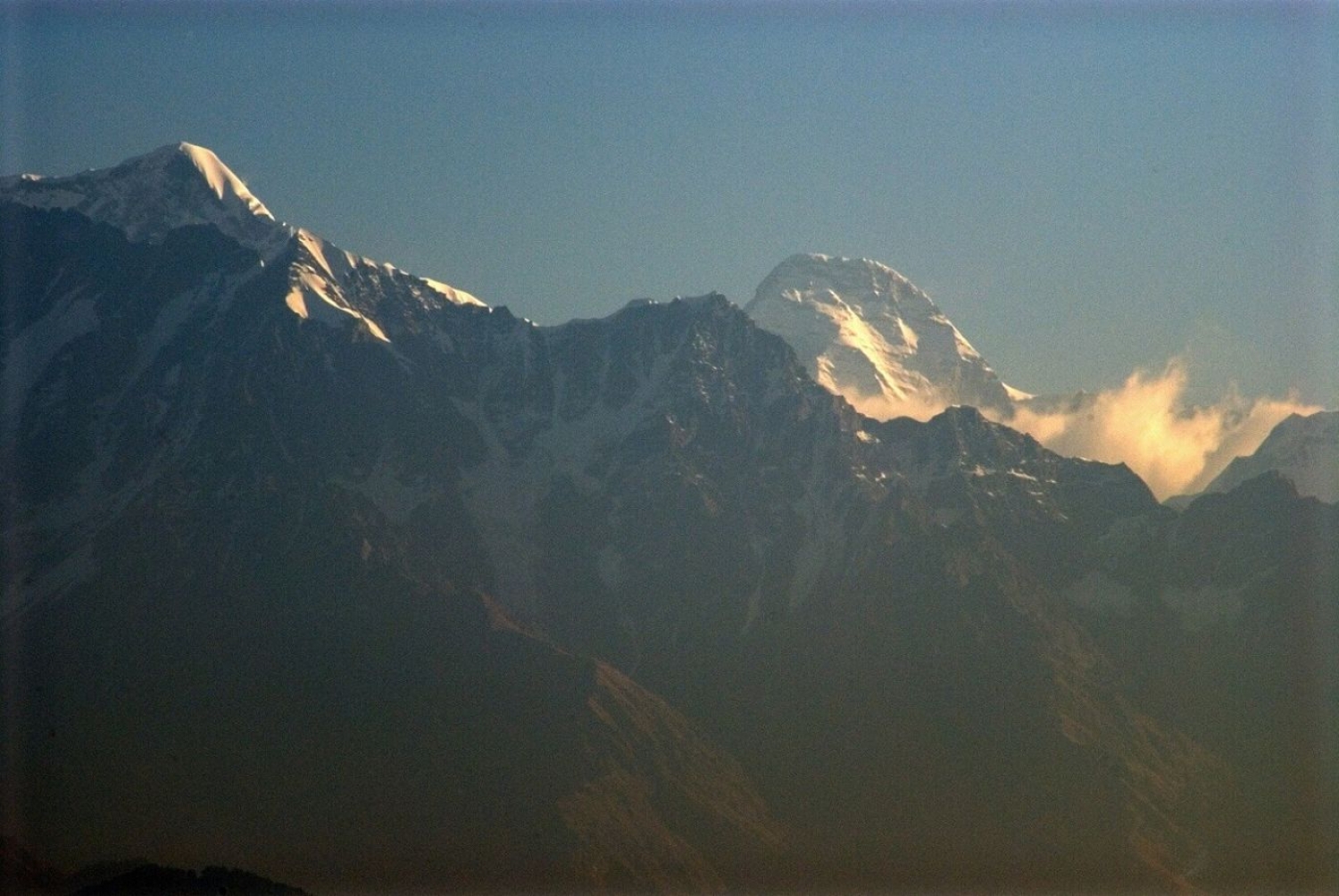
Nanda Devi is the second highest mountain situated near Chamoli District of Uttarakhand, India and 23rd highest peak in the world. The main tourist attraction is Nanda Devi National Parks which was declared as world heritage site in 1988 by UNESCO.
Explore Nanda Devi through captivating images that showcase their rich culture, history, and charm.
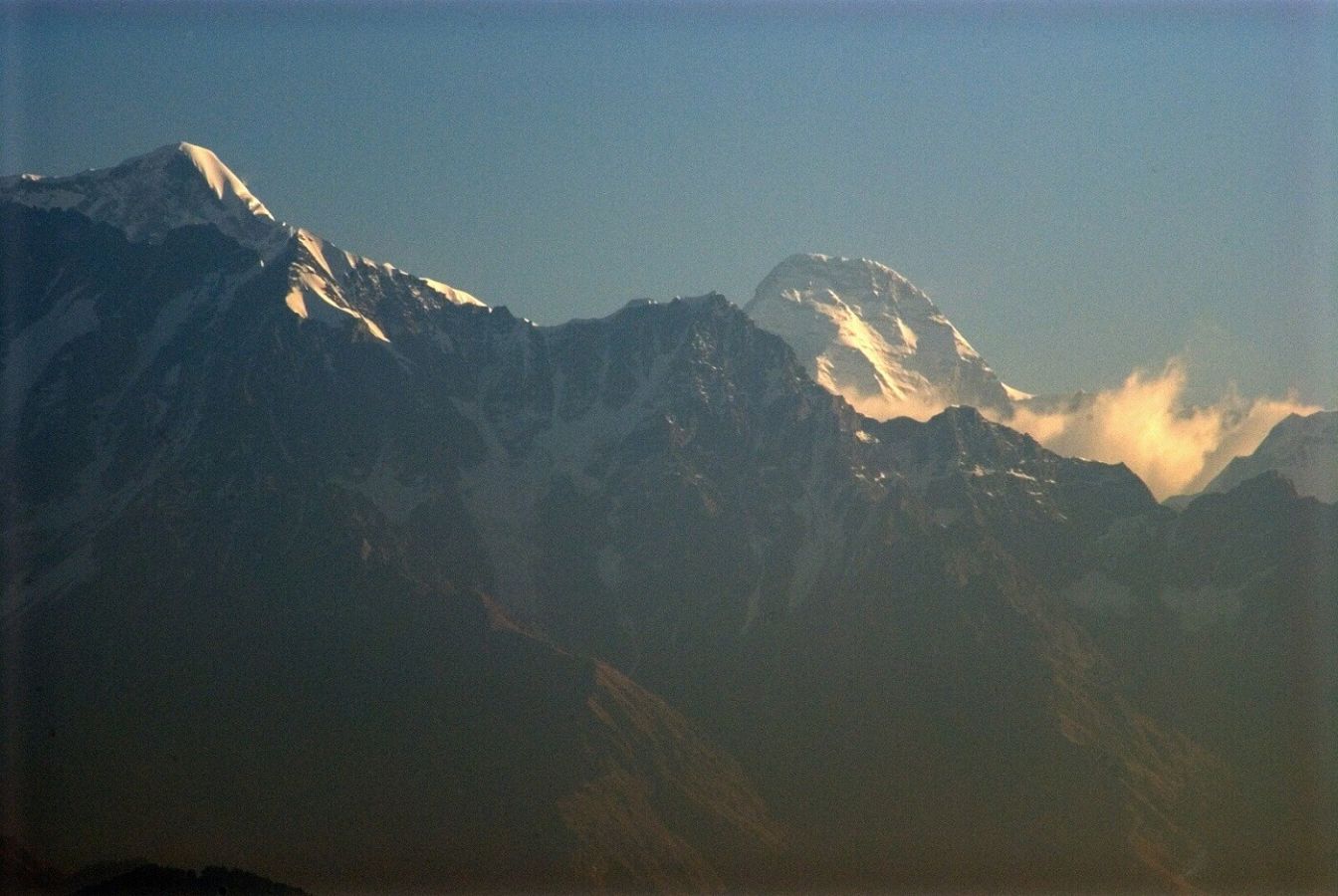
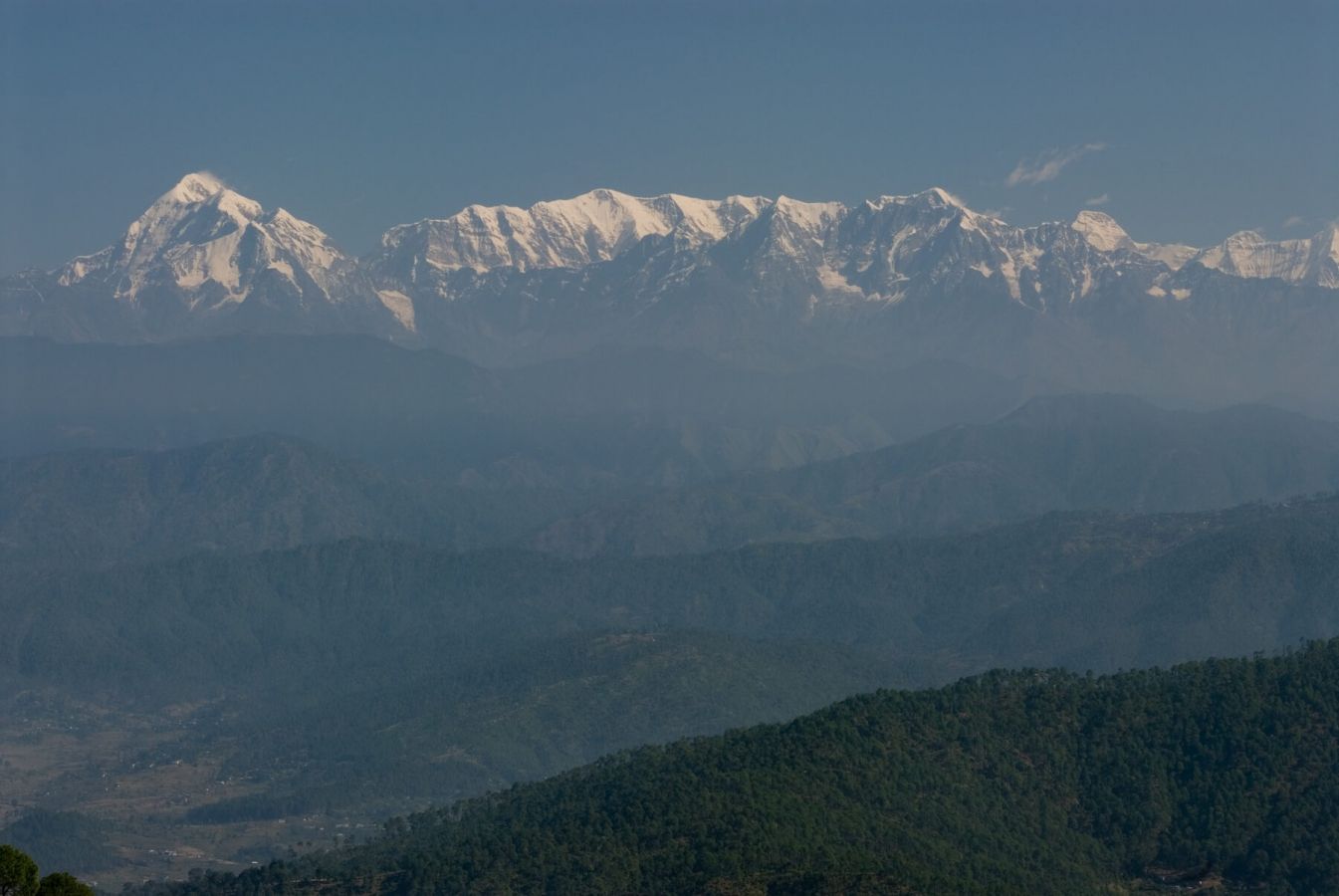
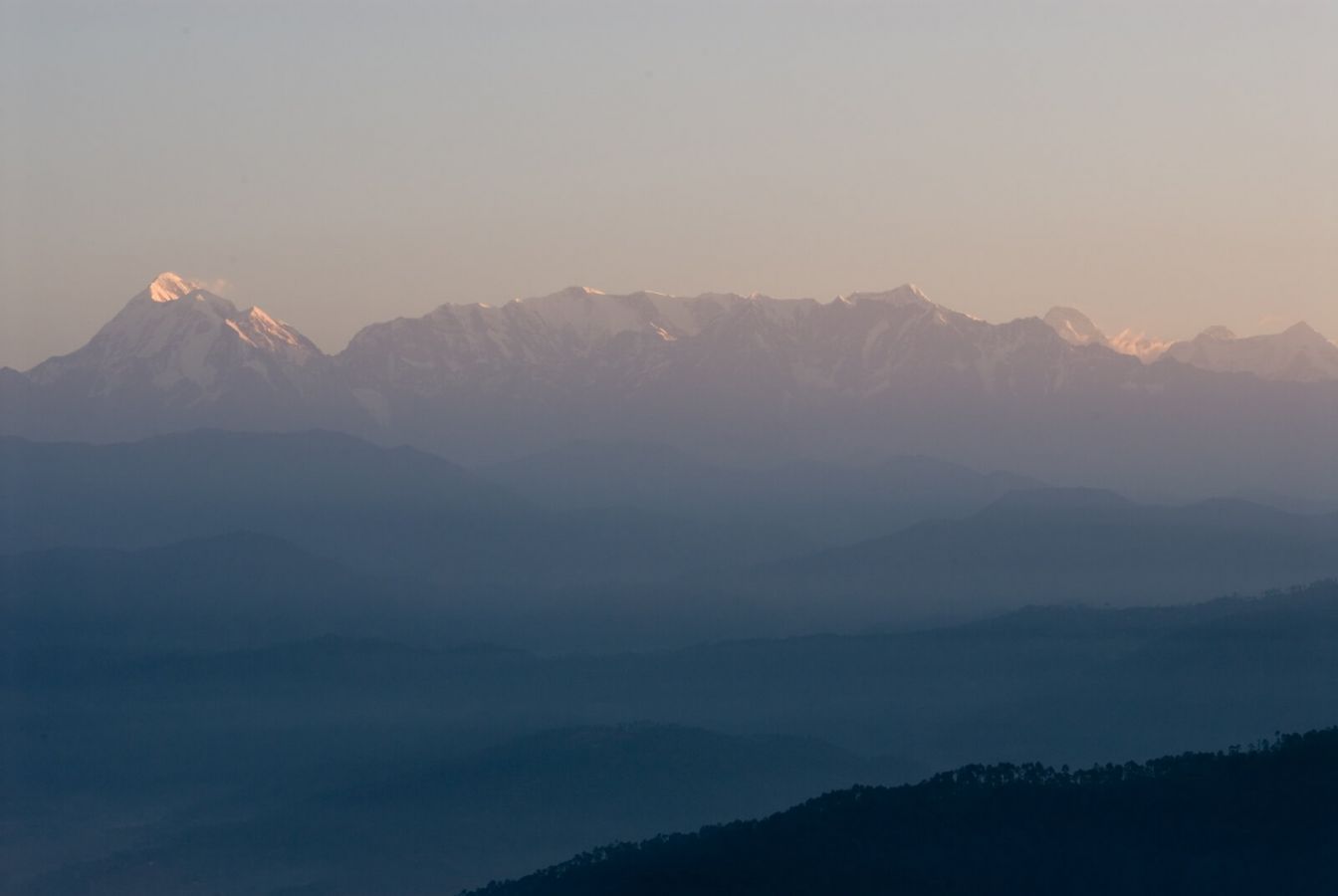


Nanda Devi is the second highest mountain peak in India, standing at 7,817 meters above sea level in Chamoli district, Uttarakhand. It located at the heart of the Nanda Devi National Park, a UNESCO World Heritage Site recognised in 1988. The park and the Nanda Devi Biosphere Reserve together form one of the most significant protected wilderness areas in the Indian Himalaya, home to rare animals including the snow leopard, Himalayan musk deer, and bharal.
The inner sanctuary around the peak has been completely closed to visitors since 1982 to allow the ecosystem to recover from the impact of earlier mountaineering expeditions. The outer buffer zone of the park is open for trekking with permits from the Uttarakhand Forest Department. Travelers who enjoy remote high-altitude Himalayan landscapes may also wish to explore places like Tabo Monastery in Spiti, which located in a similarly remote mountain area.
| Information | Details |
| Location | Chamoli District, Uttarakhand |
| Famous For | Second highest peak in India, UNESCO World Heritage Site, Home to snow leopard |
| Peak Altitude | 7,817 meters above sea level |
| Inner Sanctuary | Closed to visitors since 1982 |
| Trekking Permit (Outer Zone) | Rs. 150-200 per day for Indian nationals |
| Best Trekking Season | May to June, September to October |
| Nearest Town | Joshimath (approx. 18 km from park entry) |
Nanda Devi is not just a mountain. It is a complete ecological zone - a ring of high peaks enclosing an inner valley known as the Nanda Devi Sanctuary, carved over millennia by glaciers and the Rishi Ganga river. The mountain was first climbed in 1936 by British mountaineers H.W. Tilman and N.E. Odell, and it held the record as the world's highest summit reached without supplemental oxygen at that time.
The Nanda Devi National Park was formally established in 1982, the same year the inner sanctuary was closed to all visitors. The park forms the core zone of the larger Nanda Devi Biosphere Reserve, named in 1988 and subsequently included in UNESCO's World Heritage list. The decision to close the inner sanctuary followed years of overexploitation during international mountaineering expeditions, which had left behind waste, disturbed wildlife populations, and damaged the fragile alpine vegetation cover.
Nanda Devi holds deep significance in Uttarakhand's religious and cultural life. In Garhwali tradition, Nanda Devi is revered as a goddess - a daughter of the mountains who protects the entire region. The Nanda Devi Raj Jat Yatra, a major pilgrimage held every twelve years, brings thousands of devotees from across Uttarakhand.
Nanda Devi in Chamoli district, Uttarakhand, is famous as the highest peak entirely within India and for the protected natural sanctuary at its base, one of the last truly untouched Himalayan wilderness areas in the country. The combination of its UNESCO status, trekking routes, religious importance, and rare wildlife makes it special for nature lovers, trekkers, and pilgrims alike.
The inner sanctuary of Nanda Devi National Park is closed to all visitors. Trekking is permitted only in marked outer buffer zone areas with prior Forest Department permission.
| Category | Permit Fee (Approx) |
| Indian Nationals (per day) | Rs. 150-200 |
| Foreign Nationals (per day) | Higher rate - check with Forest Dept |
| Camera Fee | As per current Forest Dept notification |
| Registered Guide (Mandatory) | Rates vary |
Permits must be obtained from the Uttarakhand Forest Department at Joshimath or the District Forest Office, Chamoli. Rules and fees are subject to periodic revision. Check the latest notifications before planning your trek.
Nanda Devi is not a ticketed attraction with fixed opening hours. Access to the outer buffer zone for trekking is governed by Forest Department permits and is seasonal. The inner sanctuary remains closed indefinitely. The trekking season runs from mid-May to mid-June and from September to mid-October.
| Zone | Access Status |
| Inner Sanctuary (Core Zone) | Closed to all visitors since 1982 |
| Outer Buffer Zone | Open with Forest Department permit, trekking season only |
| Joshimath (base for permits) | Open year-round |
The best time to visit the Nanda Devi area for trekking is April to June and September to November. In April and June the snow on lower trails has largely melted, rhododendrons and alpine flowers are in bloom, and the weather is relatively stable. September to November bring clear skies and excellent visibility after the monsoon, making these months particularly good for views of the Nanda Devi massif from trekking routes.
July and August is the monsoon season in Uttarakhand. Trails can be dangerously slippery, leeches are common on lower paths, and cloud cover blocks mountain views almost entirely. The Valley of Flowers is, however, specifically worth visiting in July and August for its floral bloom, so trekkers combining both destinations sometimes plan accordingly.
December to April brings heavy snowfall to the Nanda Devi area. High-altitude approaches are closed and the road to Joshimath can be blocked by ice. Early morning is the best time of day to view the peak from lower vantage points, before afternoon clouds build up around the summit.
Visitors exploring Uttarakhand's high-altitude destinations often combine Nanda Devi with Valley of Flowers and Hemkund Sahib. If you are interested in other remote Himalayan places, Chitkul Village in Kinnaur and the villages of Spiti Valley offer a similar experience of isolation and mountain scenery.