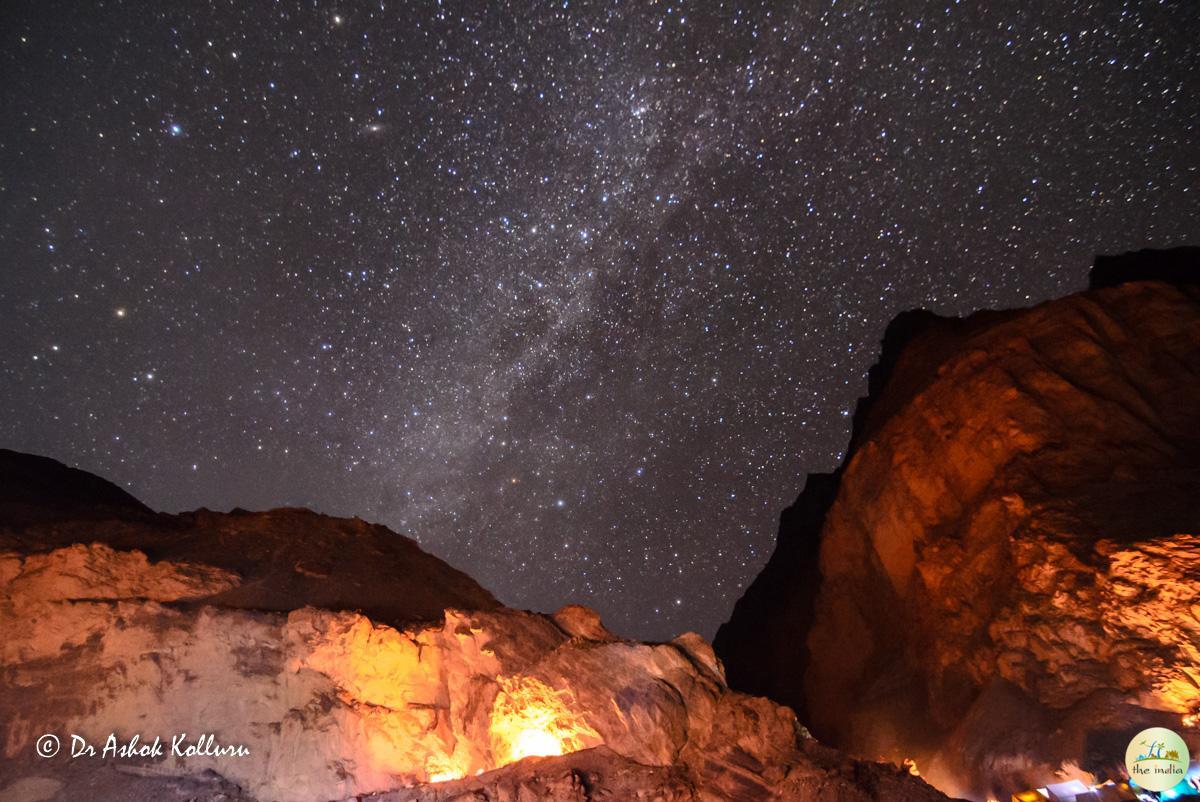
Roopkund

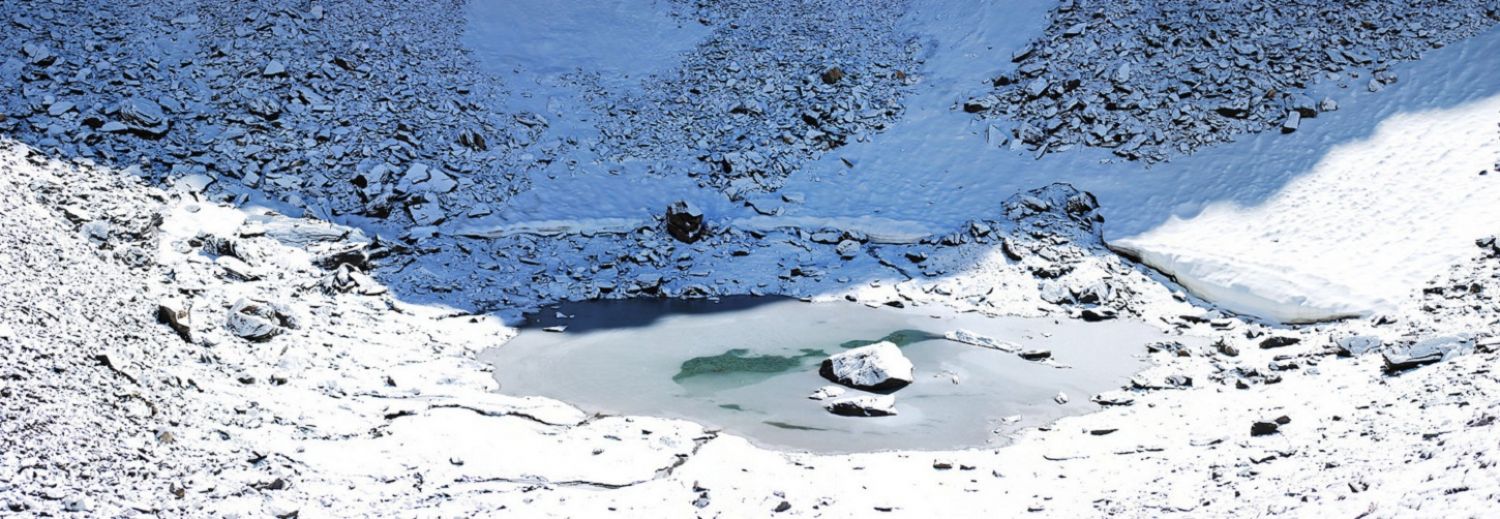
Roopkund is one of most popular trekking place in Uttarakhand, India. It is also known as Mystery and Skeletons Lake which is surrounded by rock-strewn glaciers and snow-clad mountains in India.
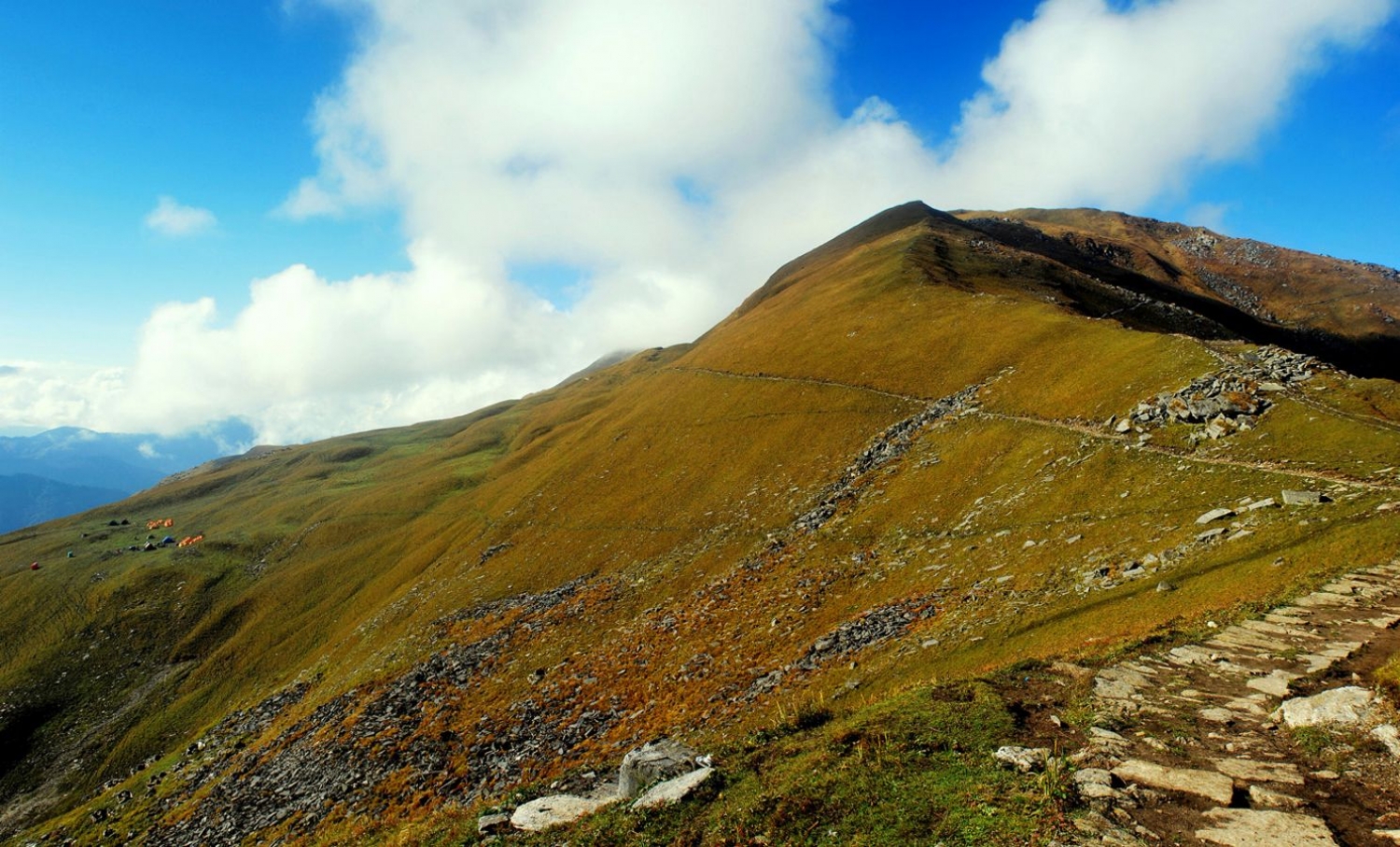
Roopkund

Roopkund Images

Explore Roopkund through captivating images that showcase their rich culture, history, and charm.
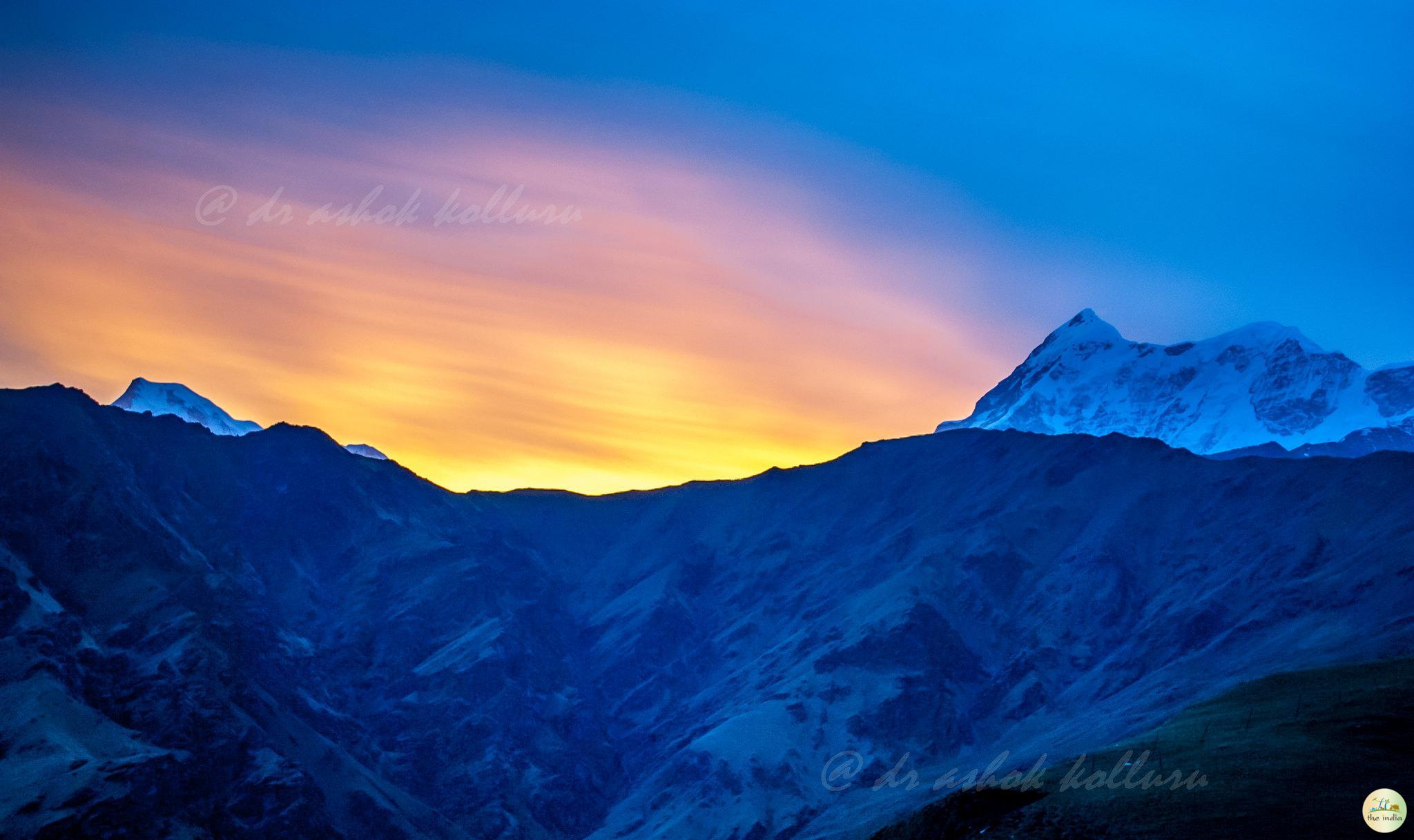
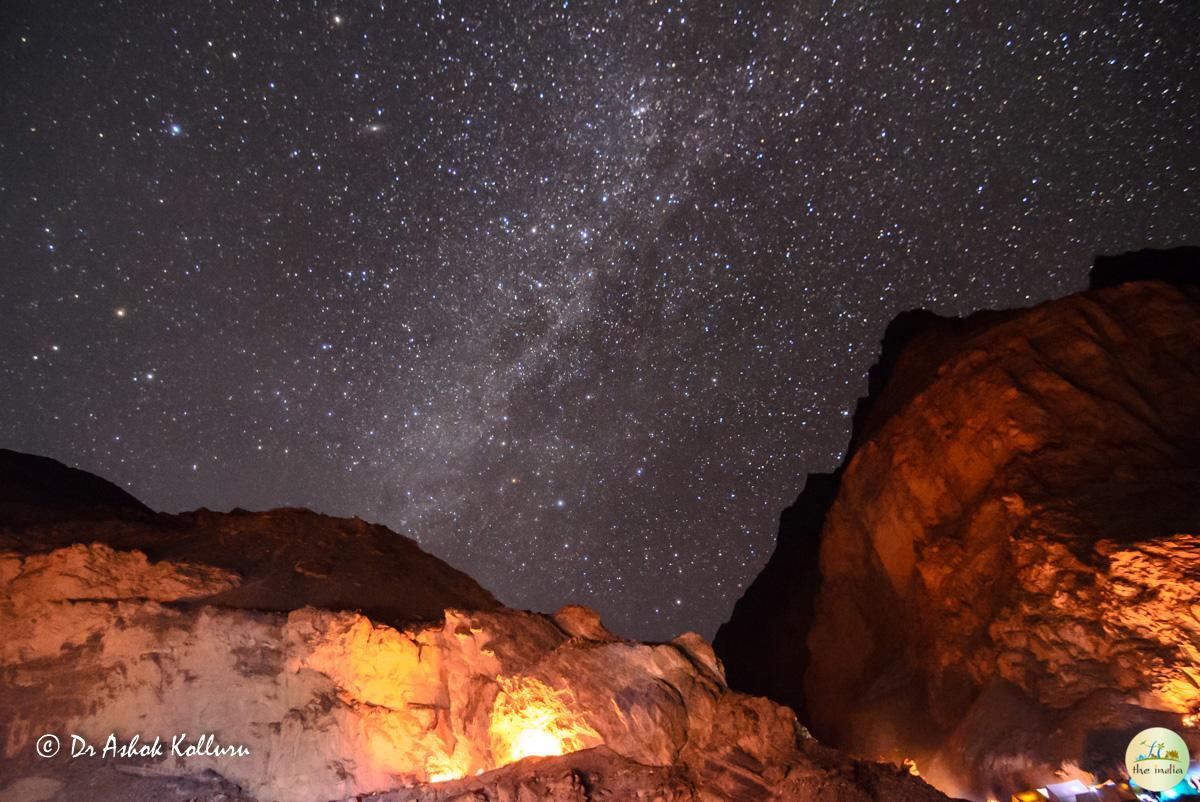
Roopkund Chamoli
Ashok Kolluru
Roopkund Chamoli
Abhijeet Rane
Roopkund Chamoli
Abhijeet Rane
Roopkund Chamoli
Abhijeet Rane
Roopkund Chamoli
Abhijeet Rane

2 Tourists who already explored Roopkund

Where Roopkund located

About Roopkund, Chamoli, Uttarakhand

Roopkund is a high-altitude glacial lake located in Chamoli district, Uttarakhand, at an altitude of approximately 5,020 m above sea level. The lake is widely known as the Skeleton Lake because of the approximately 800 ancient human Skeletons found along its edges, believed to date back to the 9th century CE.

The lake located in a small glacial basin below the Trishul peak in the Garhwal Himalayas. Reaching it requires a multi-day trek from Loharjung, a small town about 255 km from Rishikesh. The full trek covers approximately 53 km in a round trip and takes 7–8 days to complete.

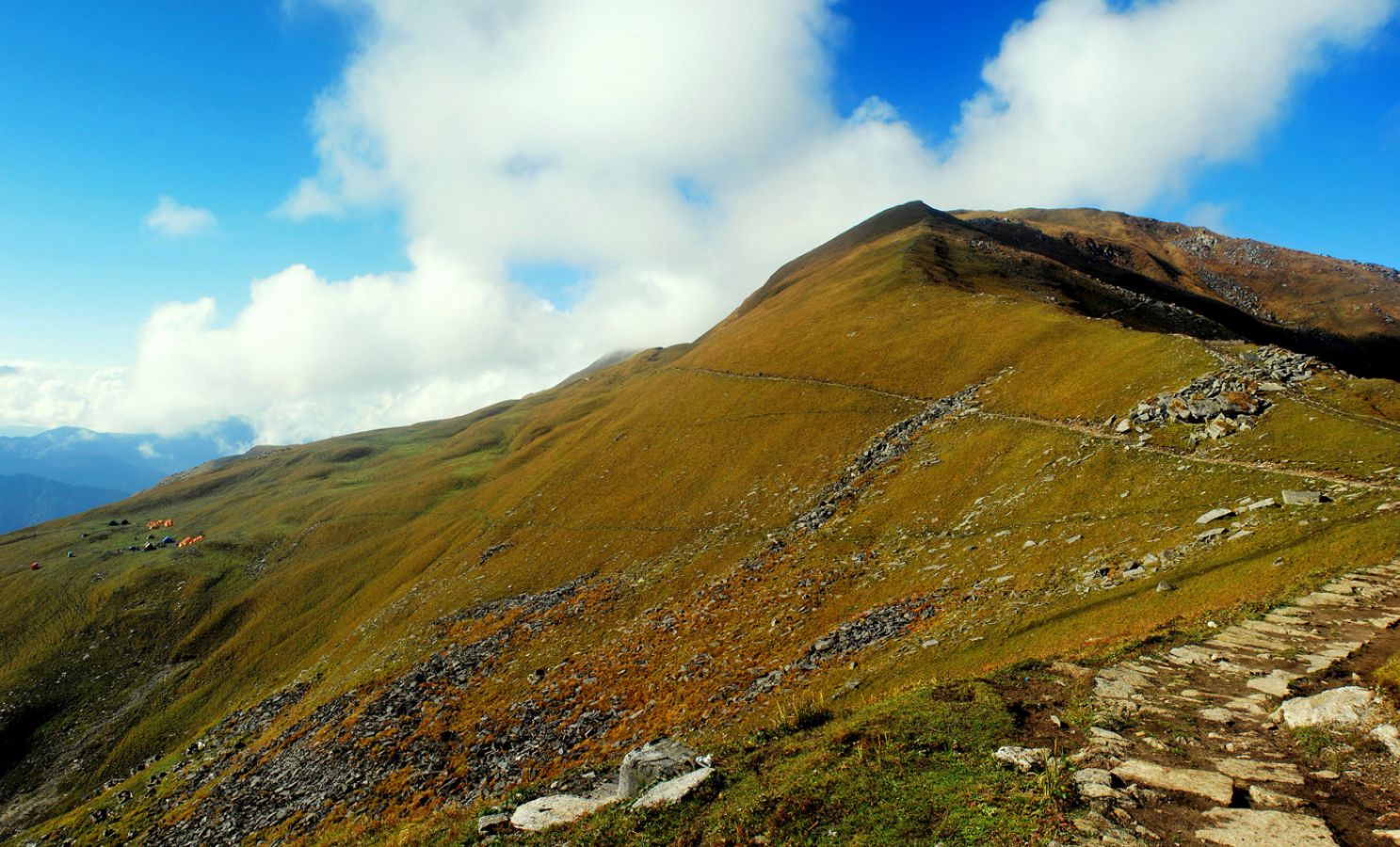
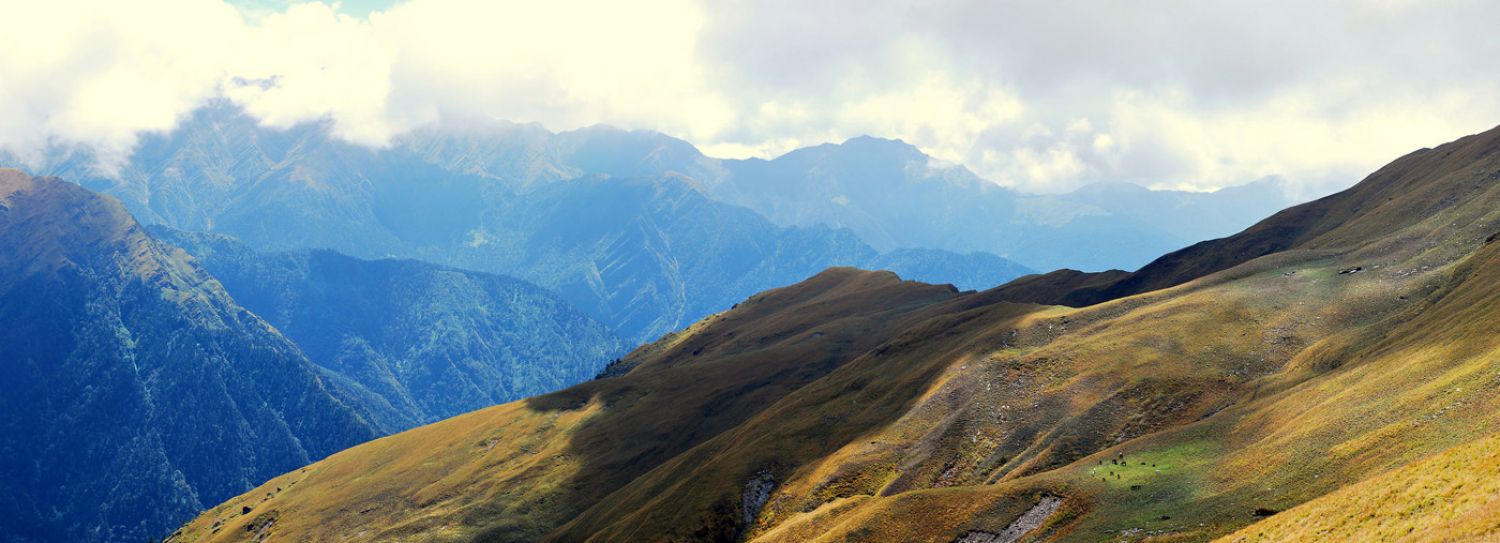
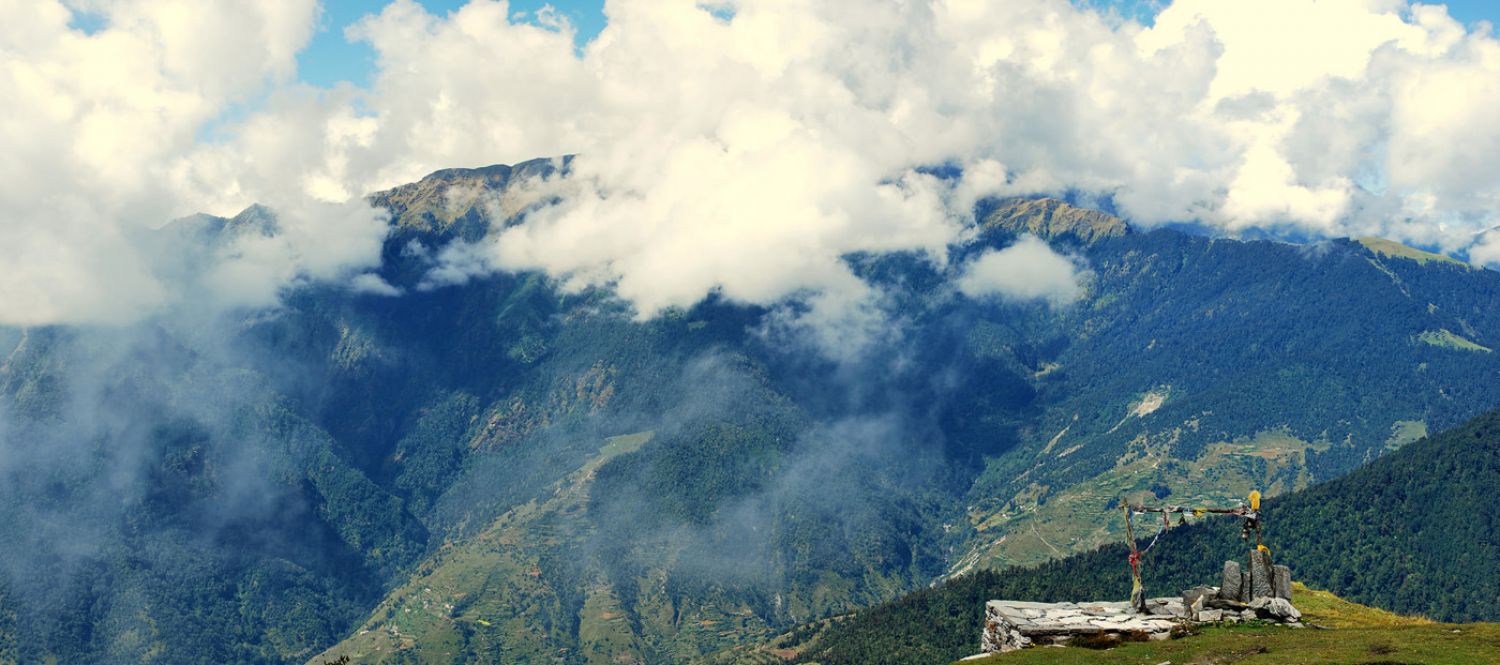
Roopkund is visited by trekkers who want a challenging high-altitude Himalayan experience. Along the route, trekkers pass through the famous Bedni Bugyal and Ali Bugyal meadows, which are among the largest high-mountain grasslands in the Garhwal region. The trek also offers views of Trishul peak and surrounding Himalayan ranges.

Roopkund – Quick Information

InformationDetails
LocationChamoli District, Uttarakhand
Also Known AsSkeleton Lake, Mystery Lake
Altitude5,020 m above sea level
Famous ForAncient human skeletons, Himalayan trek, Trishul peak views
Entry / PermitForest permit Rs. 150 (Indians); Registered guide mandatory
Trek DistanceApproximately 53 km round trip (Loharjung base)
Trek Duration7–8 days round trip
Best Time to VisitApril–June, September–October

History and Background of Roopkund:

The skeletons at Roopkund were first reported in 1942 by a forest ranger. When the snow melted that year, hundreds of human skeletal remains were visible at the lake edge and in the shallow water. Initial theories ranged from a military retreat to a mass epidemic. The discovery attracted significant scientific interest over the following decades.

DNA and radiocarbon studies conducted from the 1990s onwards have placed most of the skeletons to around the 9th century CE. Research published in 2019 by an international team concluded that the individuals came from multiple groups — some likely from the Indian subcontinent and others possibly from Mediterranean or Central Asian origins — though the full explanation for how so many people died in one place remains debated among researchers.

For the people of the Garhwal region, the Roopkund area has long held religious significance. The trek route passes through sites connected to the Nanda Devi Raj Jat, a traditional pilgrimage held every 12 years that brings thousands of devotees from across Uttarakhand.

Why Roopkund is Famous?

Roopkund in Chamoli, Uttarakhand is famous primarily for the ancient human skeletons found at its lake edge — a mystery that has attracted scientists, trekkers, and adventurous travelers for decades. It is also one of the most rewarding high-altitude treks in the Garhwal Himalayas.

  • Approximately 800 ancient human skeletons (9th century CE) visible at the lake edge when snow melts
  • High-altitude glacial lake at 5,029 m — one of the highest reachable lakes in the Garhwal range
  • Trishul peak views — the trek route offers long, clear views of Trishul (7,120 m)
  • Bedni Bugyal and Ali Bugyal — two of the most scenic alpine meadows in Uttarakhand
  • Archaeological and anthropological significance — subject of multiple international research studies
  • Route passes through diverse ecosystems from thick oak forests to open high-altitude terrain

Roopkund Entry Fee and Permit

CategoryFee / Requirement
Indian Nationals – Forest PermitRs. 60 per person
Foreign NationalsEnquire at forest department; rates higher
Registered GuideMandatory — not optional; arrange via Loharjung or Mundoli
Porter / Additional StaffHire locally at Loharjung or through a trek operator

Permits are obtained at the forest check post at Loharjung or through the forest department office at Mundoli. Solo trekking without a registered guide is not allowed. Most trekkers book a complete package through a trek operator who arranges permits, guides, porters, tents, and meals.

Best Time to Visit Roopkund:

The best time to visit Roopkund is May to mid-June for the first window, and September to mid-October for the second window. These are the months when the trail is accessible, the skeletons at the lake edge are partially visible as snowmelt exposes them, and weather conditions are safest for trekking.

May and June have longer daylight hours and the meadows along the route are green with wildflowers in bloom. Temperatures at Bhagwabasa camp drop to around -5°C to -10°C at night but daytime trek temperatures are manageable. October gives the clearest mountain views and very cold nights.

November to March is the closed season. The lake freezes completely, passes are blocked by deep snow, and the cold is extreme. June to early September is the monsoon period — the trail becomes very slippery, visibility is poor, and the risk of landslides on approach roads is significant.

Places to Visit Near Roopkund:

Trekkers visiting Roopkund often plan the trip alongside a visit to the Valley of Flowers and Hemkund Sahib, as these sites share the same general region of Chamoli district.

Best Time to Visit:
April,May,June,September,October

Frequently Asked Questions

Add Reviews