
Kohima Cathedral is one of the biggest catholic cathedrals in North East India. It is located on on Aradura Hill in Kohima, Nagaland. This catholic cathedrals is an important tourist attraction in Nagaland.
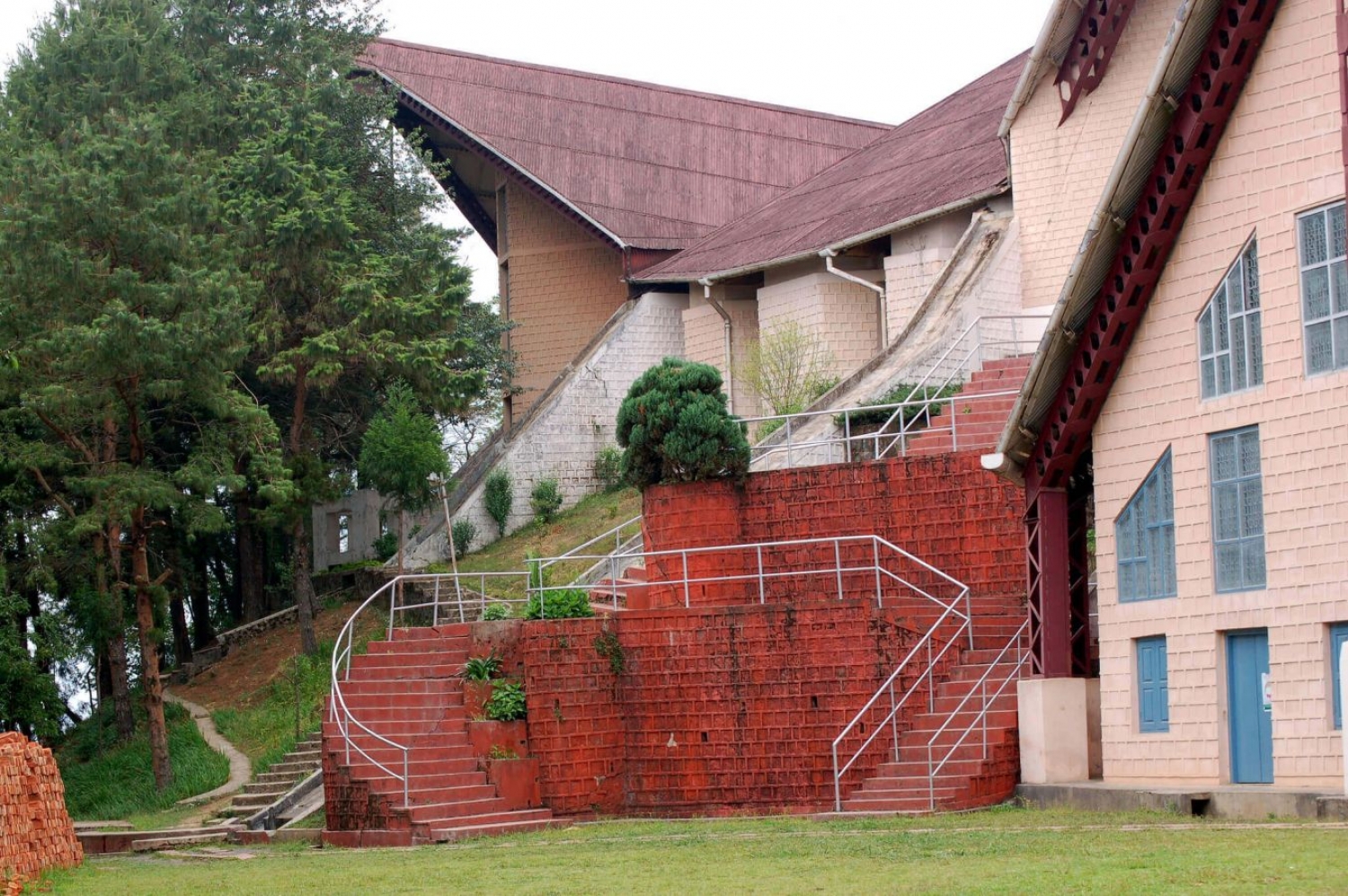
Explore Kohima Cathedral through captivating images that showcase their rich culture, history, and charm.
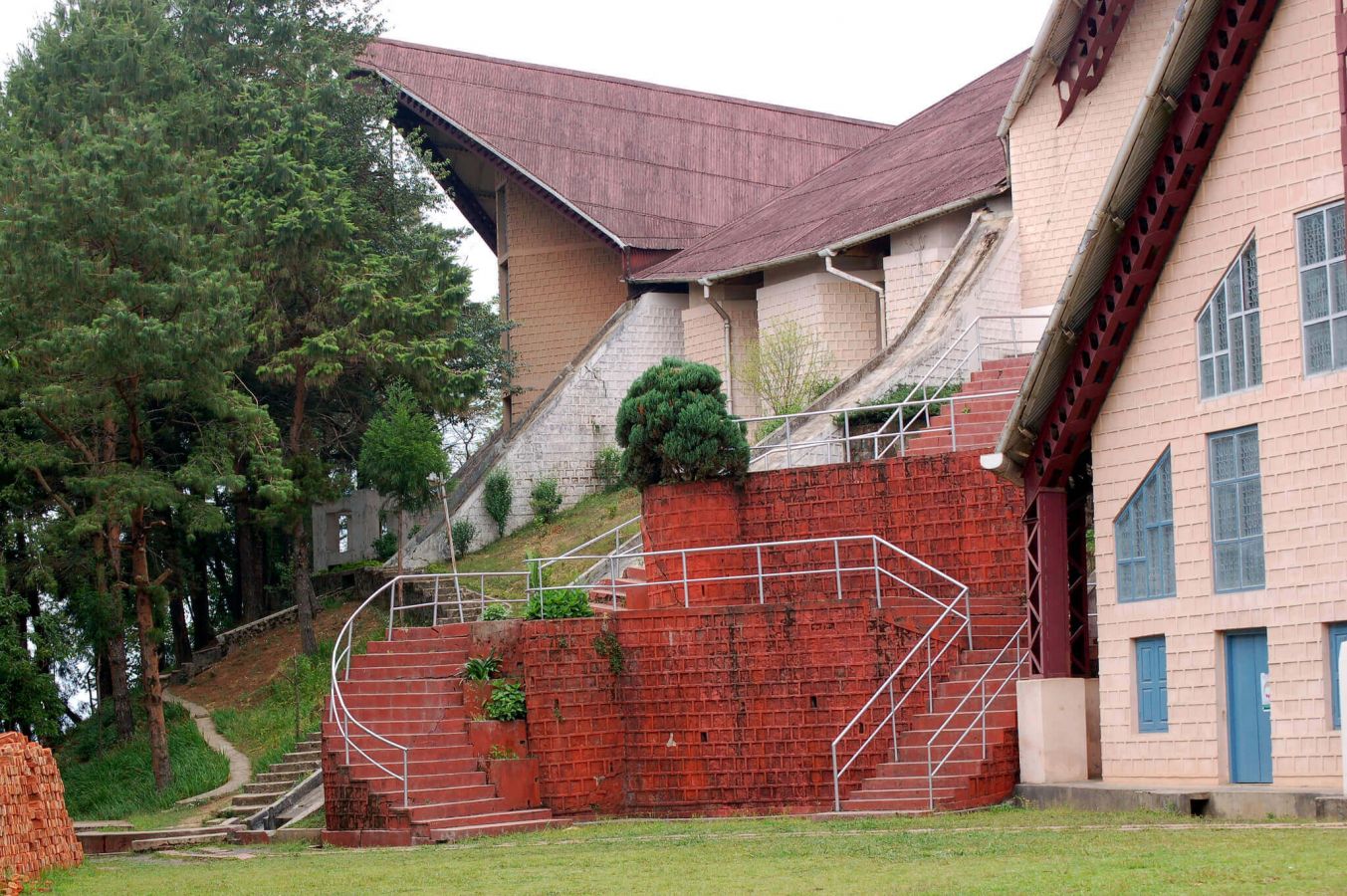

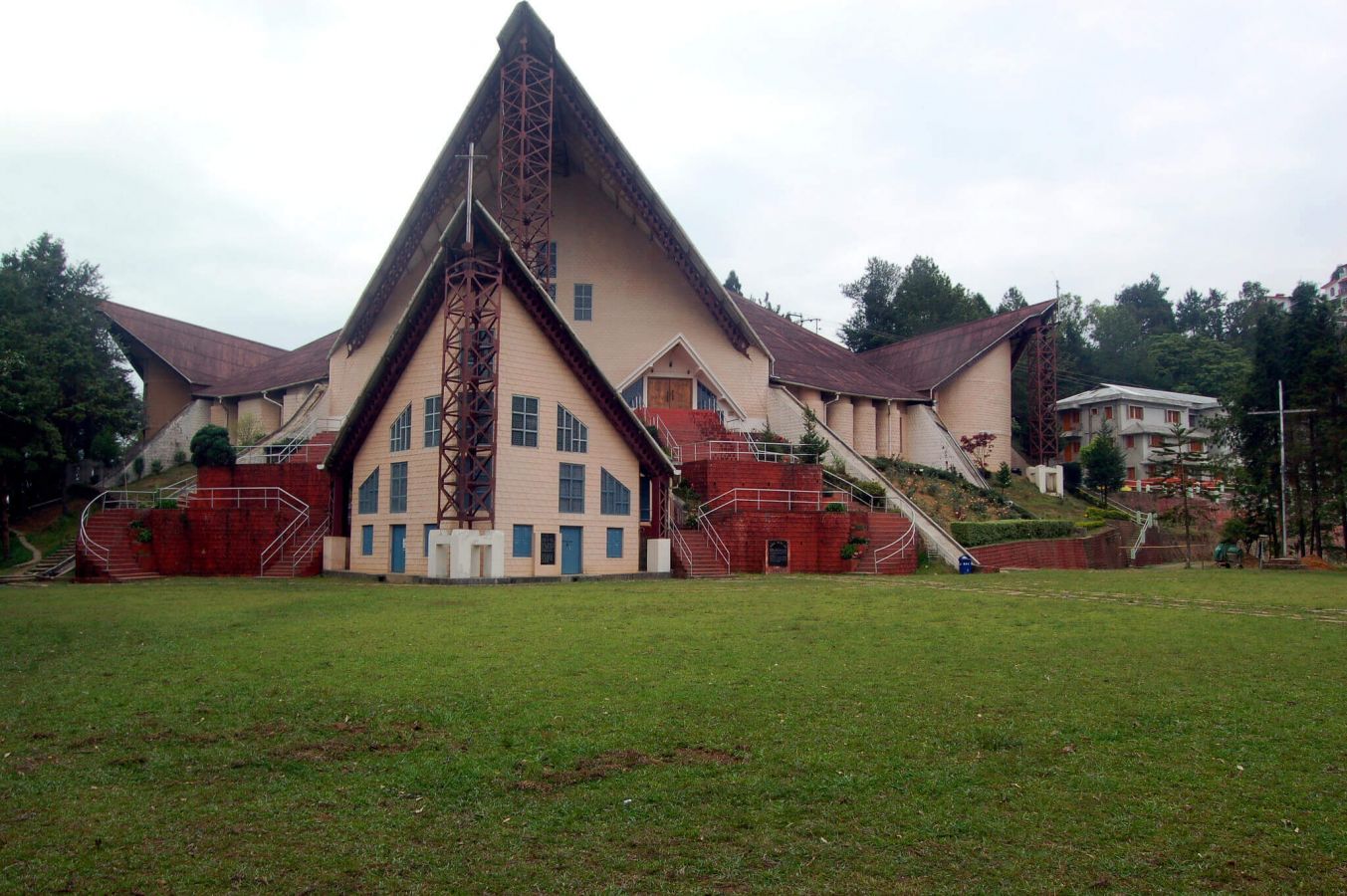
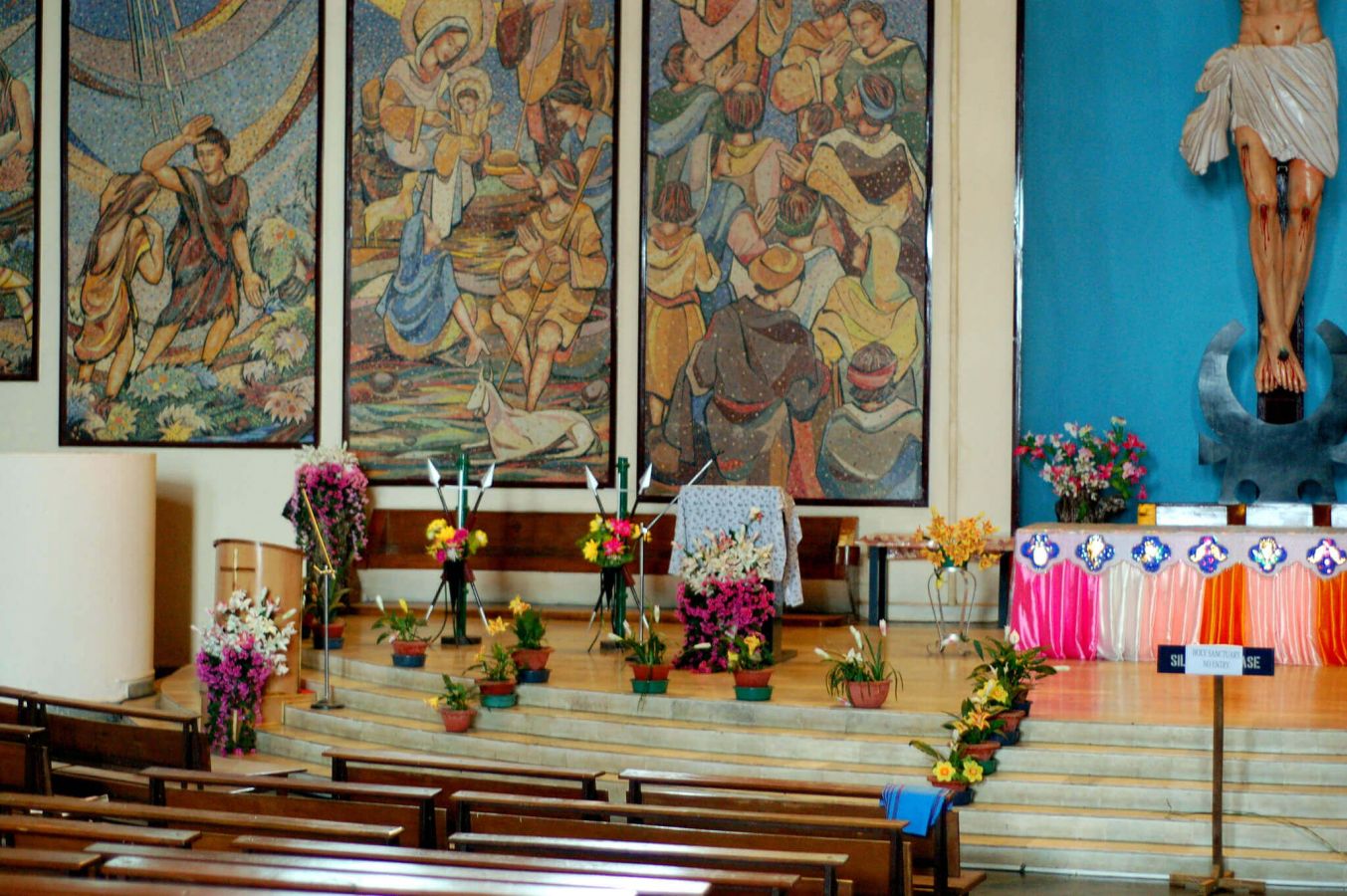
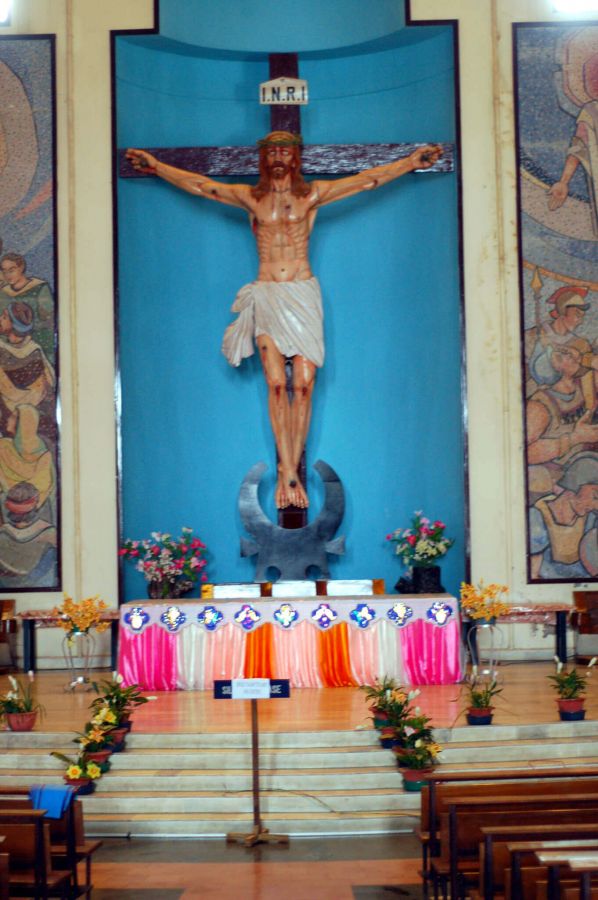
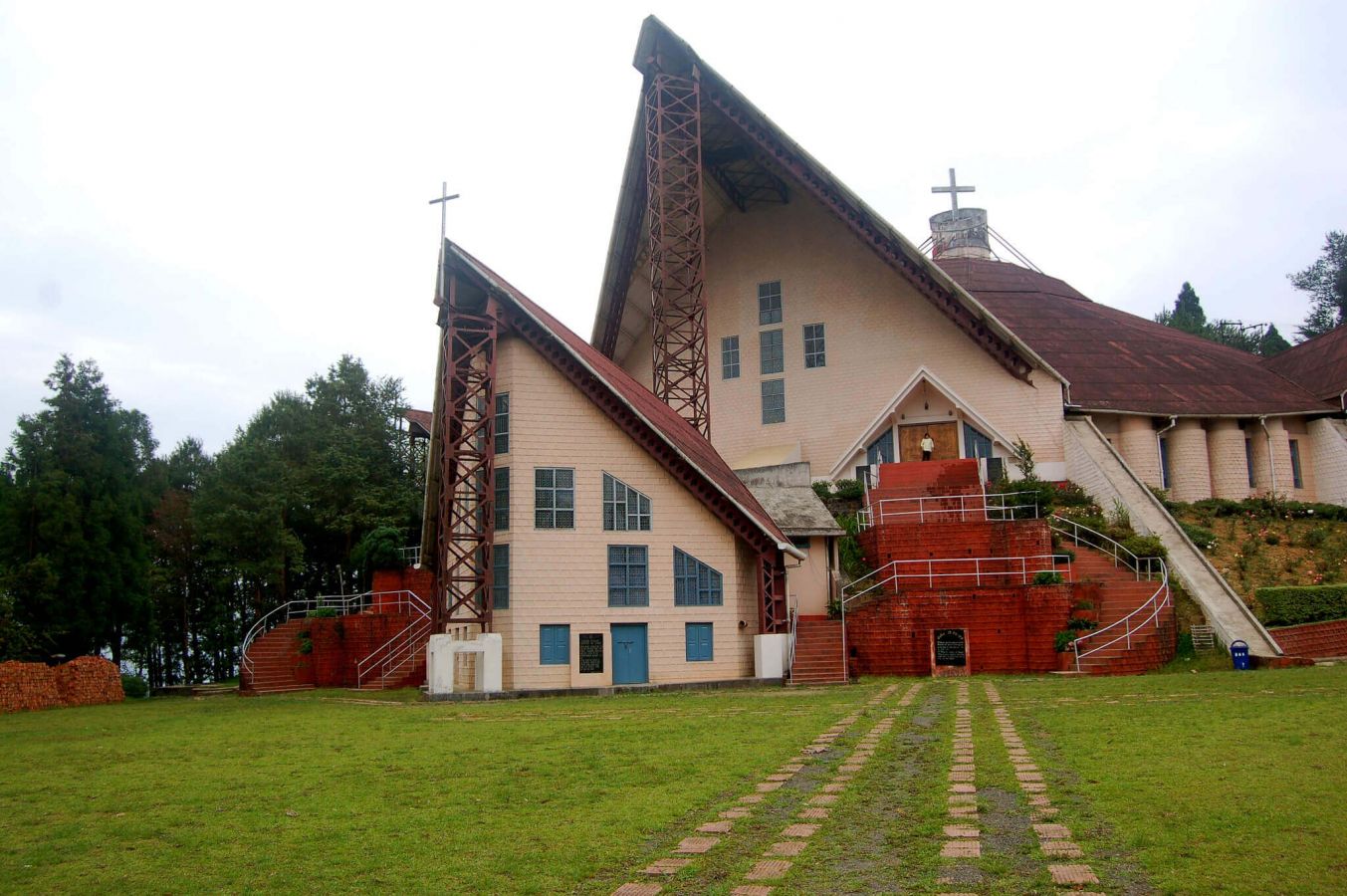

The nearest Airport is Dimapur Airport, which is approximately 65 km away from Kohima Cathedral.

The nearest Railway station is Shokhuvi Railway Station, which is approximately 68 km away from Kohima Cathedral.

Kohima Cathedral is well connected with nearby major cities like Dimapur, Imphal and Guwahati by road.
Kohima Cathedral, officially known as the Cathedral of Reconciliation or the Sacred Heart Cathedral, is one of the largest Roman Catholic cathedrals in Northeast India. It is located in Kohima, the capital city of Nagaland, located on a hillside that offers a wide view of the town and the surrounding valleys. Many visitors say the first view of the cathedral, rising above the green hills, is something they remember long after the trip is over.
The cathedral holds deep significance for the Christian community of Nagaland, where Christianity is the dominant religion and an important part of Naga cultural identity. It is not only a place of active worship but also a well-known spot that brings visitors who come to Kohima to understand its history, culture, and the story of a state where over 90 percent of the population is Christian.
For many visitors to Kohima, the cathedral is visited alongside the nearby Kohima War Cemetery — a WWII memorial just 3 km away that honors the soldiers who fell in the Battle of Kohima in 1944. Together, these two sites offer a powerful experience that connects faith, history, and memory.
| Information | Details |
| Location | Kohima, Nagaland (capital city) |
| Official Name | Cathedral of Reconciliation or Sacred Heart Cathedral |
| Famous For | Largest Catholic cathedral in Northeast India and WWII history proximity |
| Entry Fee | Free |
| Timings | 8:00 am to 6:00 pm |
| Best Time to Visit | October to April |
| Nearest Airport | Dimapur Airport – approx. 66 km |
Christianity arrived in the Naga Hills in the second half of the 19th century through American Baptist missionaries. By the early 20th century, it had taken firm root in Naga society, gradually becoming not just a religion but a defining element of Naga cultural and social life. Today, Nagaland is often described as one of the most Christian states in India.
The Cathedral of Reconciliation in Kohima was established to serve as the mother church of the Diocese of Kohima, created to church guidance to the growing Catholic community in the region. Built on elevated ground in the heart of Kohima, the cathedral's hillside position gives it a strong, easy-to-spot presence in the town's skyline. Its architecture draws from both Western ecclesiastical traditions and local sensibilities, reflecting the way Christianity has been adapted and embraced by the Naga people.
The name Cathedral of Reconciliation carries special meaning given Kohima's history. The town was the site of one of the most significant battles of World War II — the Battle of Kohima in April 1944 — in which Allied forces turned back the Japanese advance into India. The Kohima War Cemetery, located just 500 meters from the cathedral, stands as a reminder to the sacrifice of thousands of soldiers. The cathedral and the war cemetery together form a circuit of remembering and reflecting that is central to any visit to Kohima.
Kohima Cathedral is famous as one of the most prominent religious sites in Northeast India. It represents the deep connection between Christianity and Naga identity, and its location near the Kohima War Cemetery makes it part of a significant historical and cultural visit.
There is no entry fee to visit Kohima Cathedral. The cathedral is open to all visitors free of charge. Visitors are expected to dress modestly and behave respectfully inside the premises, as it is an active place of worship.
| Category | Fee |
| General Entry | Free |
| Sunday Mass attendance | Free (open to all) |
| Photography inside | Permitted with discretion — no flash during services |
Kohima Cathedral is open to visitors from 8:00 am to 5:00 pm on all days. Visitors should avoid entering during active mass or prayer services unless they intend to attend respectfully.
| Day / Service | Time |
| General visiting hours | 8:00 am to 5:00 pm |
| Weekday services | Check locally — timings may vary |
The best time to visit Kohima is from October to April. Kohima has a pleasant, cool climate for most of the year. From October to February, temperatures range from about 5°C to 20°C — cool and comfortable for sightseeing. March and April bring warmer days. The Hornbill Festival is held in nearby Kisama Heritage Village (9 km) in the first week of November, making November a particularly lively time to visit Kohima.
Avoid visiting from June to August when Kohima and the Naga Hills receive very heavy monsoon rainfall. Roads can become difficult, and outdoor sightseeing is uncomfortable during this period. If visiting for the Hornbill Festival, book accommodation well in advance as Kohima fills up quickly during festival week.
If you are planning a trip to Nagaland, combine your visit to Kohima with a trek to Dzukou Valley, which is 25 km away and is one of the finest trekking destinations in Northeast India. You can also extend your trip to include Loktak Lake in Manipur — the largest freshwater lake in the region.