Khangchendzonga National Park is a national park & Biosphere reserve located near Chungthang, Sikkim. This place was declared as a world heritage site by UNESCO in July 2016. This place name came from the mountain Kanchenjunga which is 3rd tallest peak in the world.
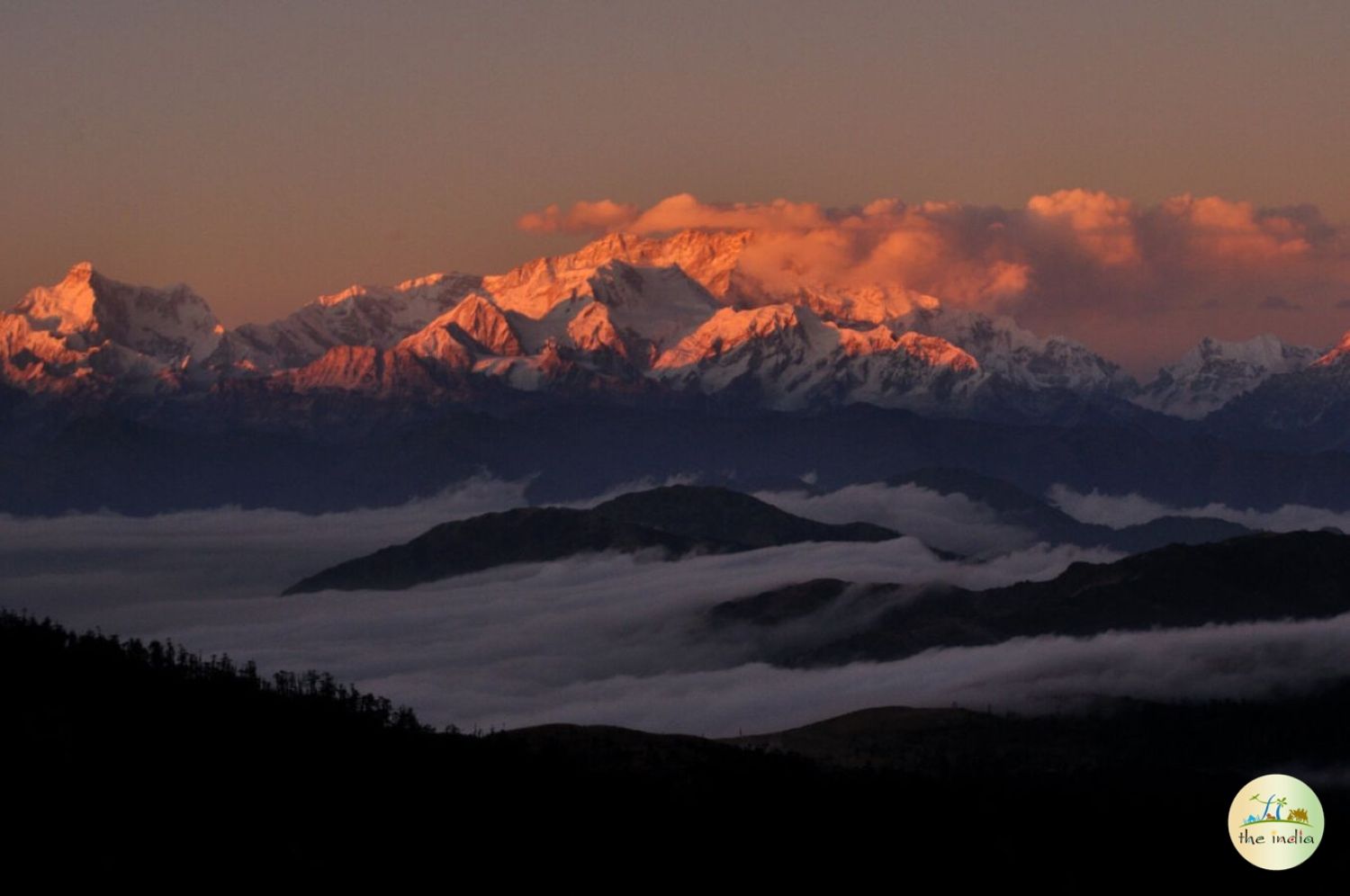
Explore Khangchendzonga National Park through captivating images that showcase their rich culture, history, and charm.
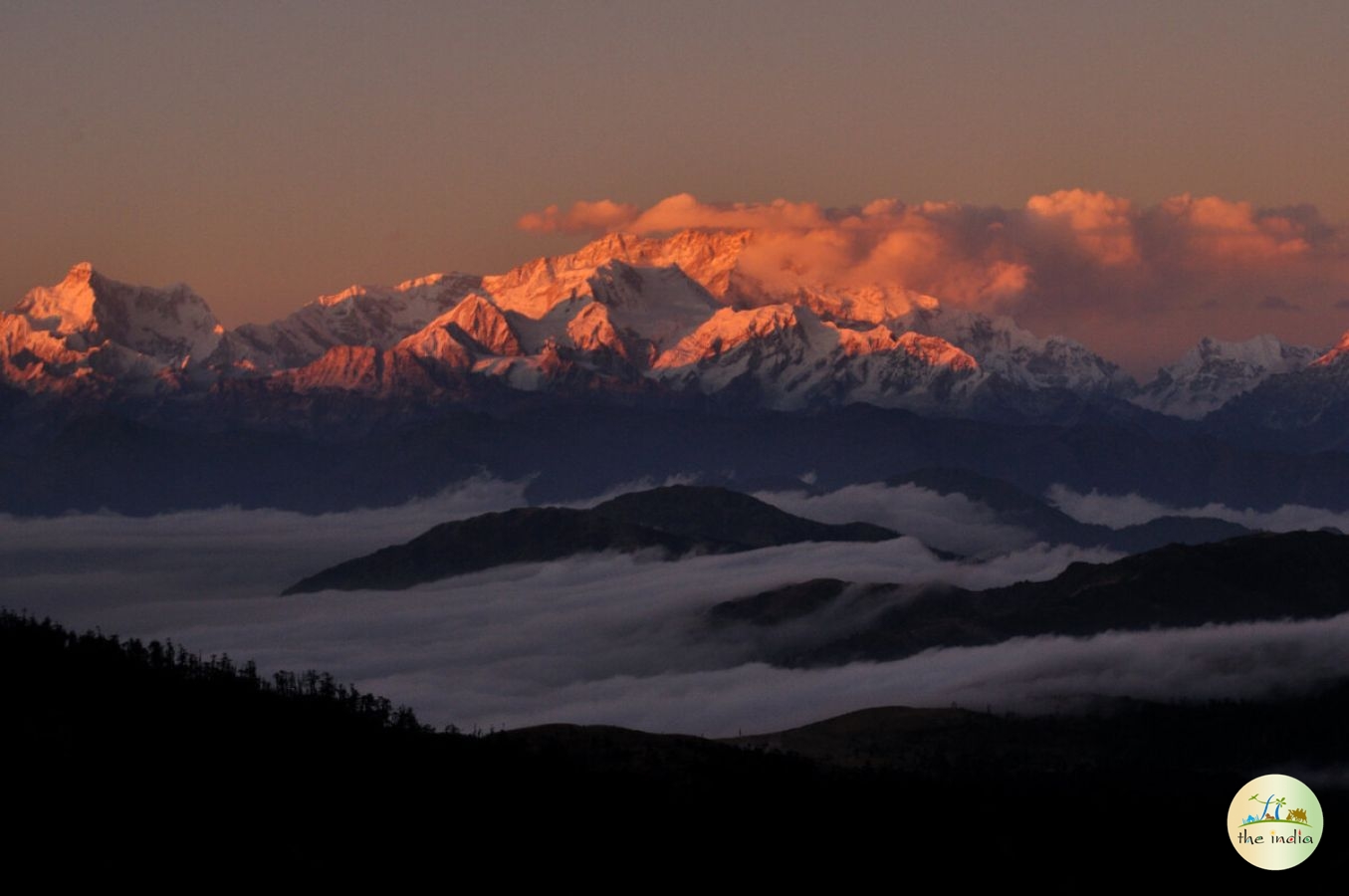
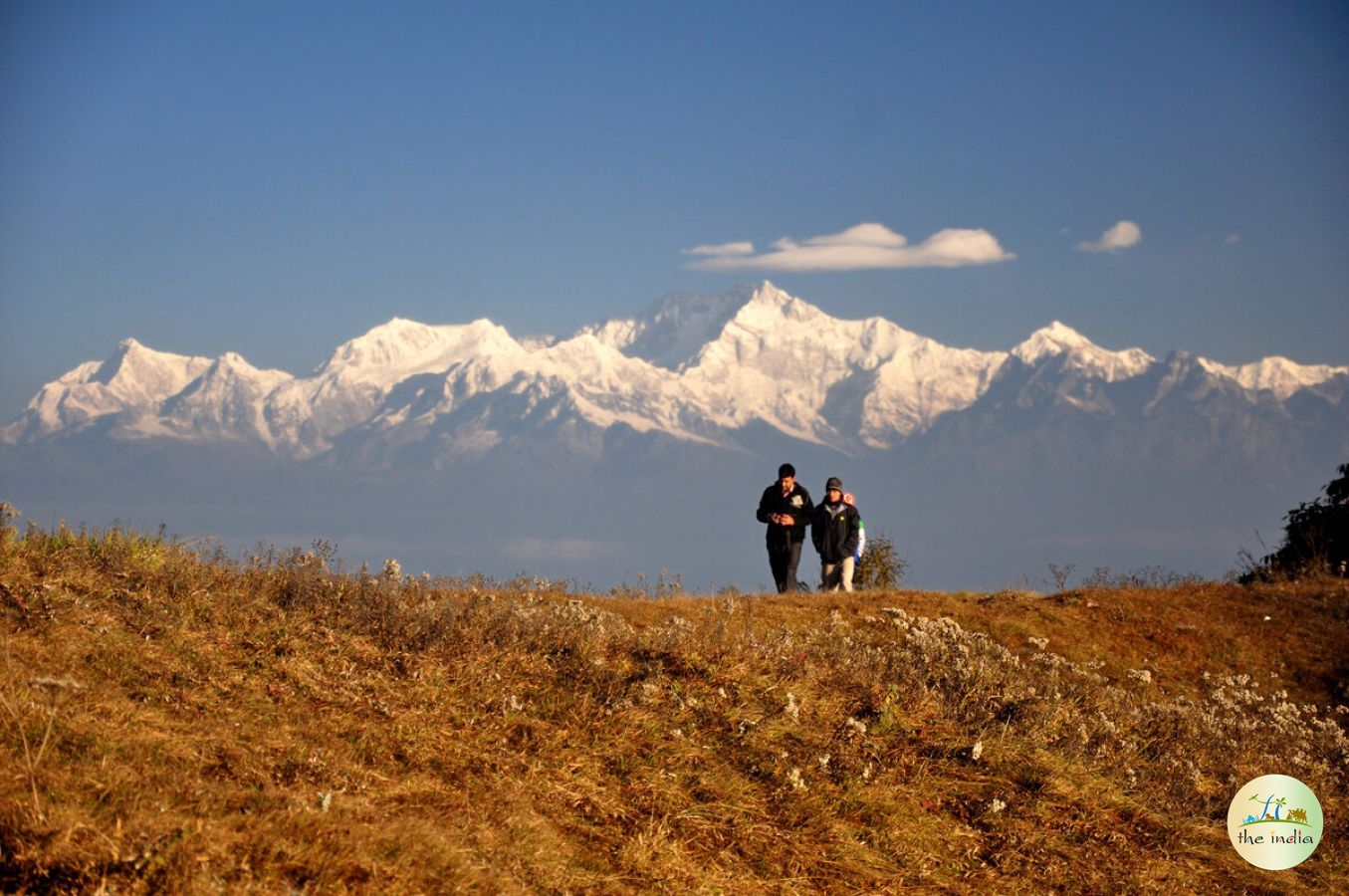
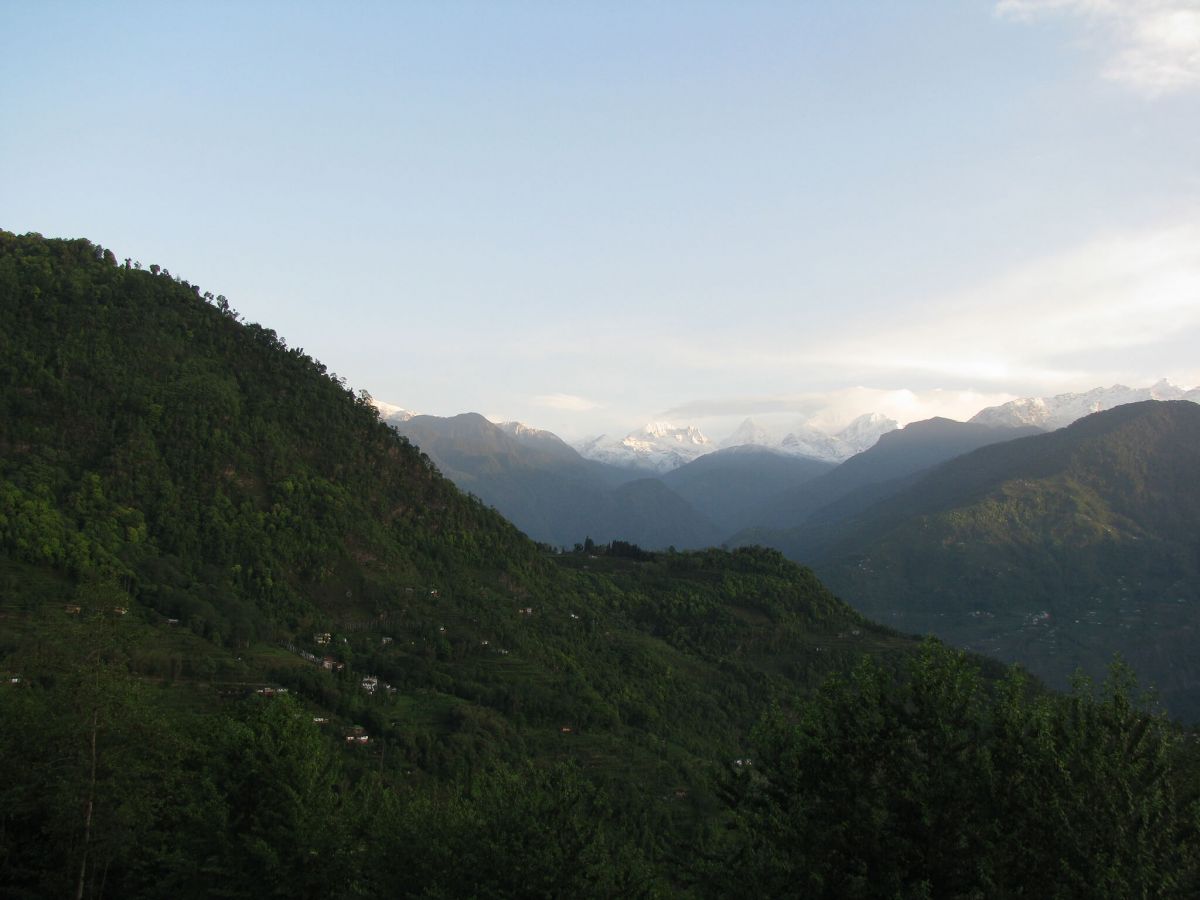
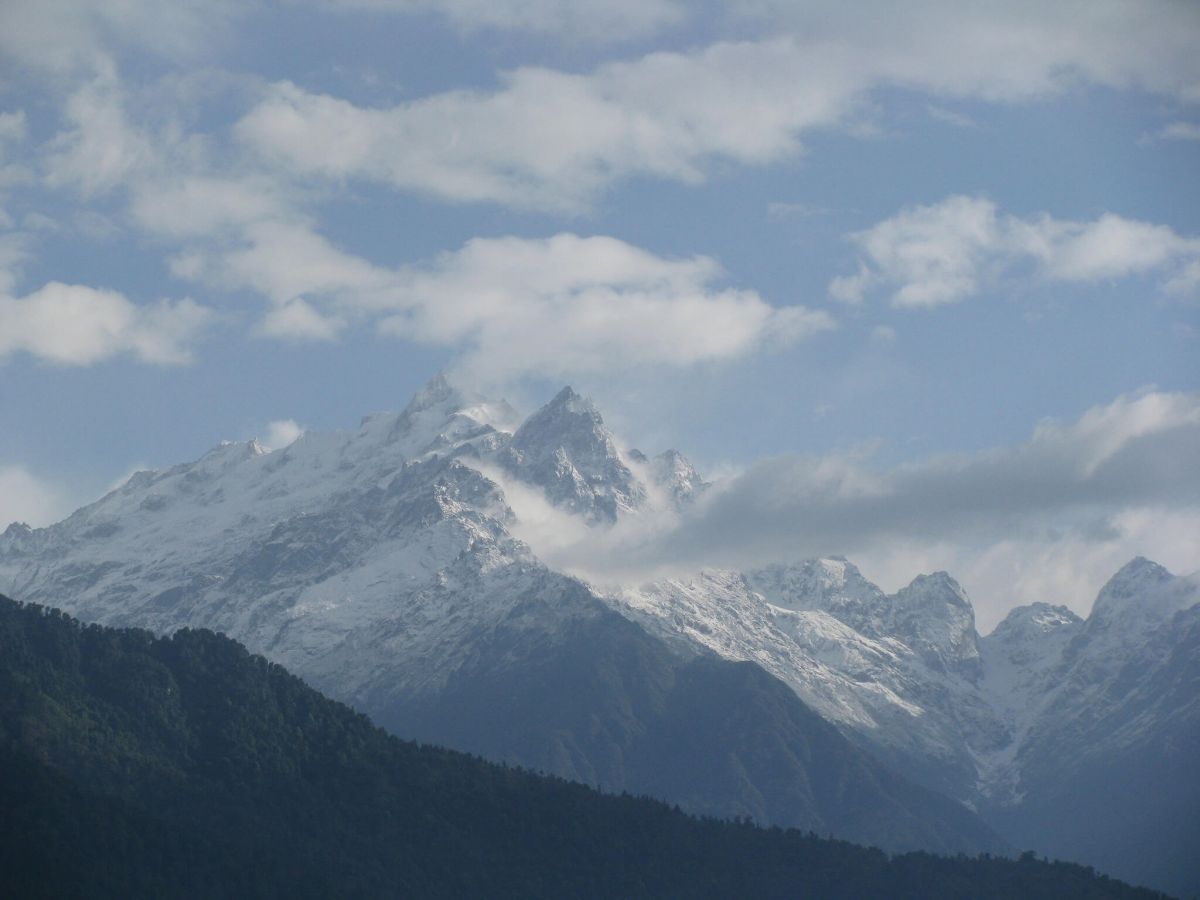
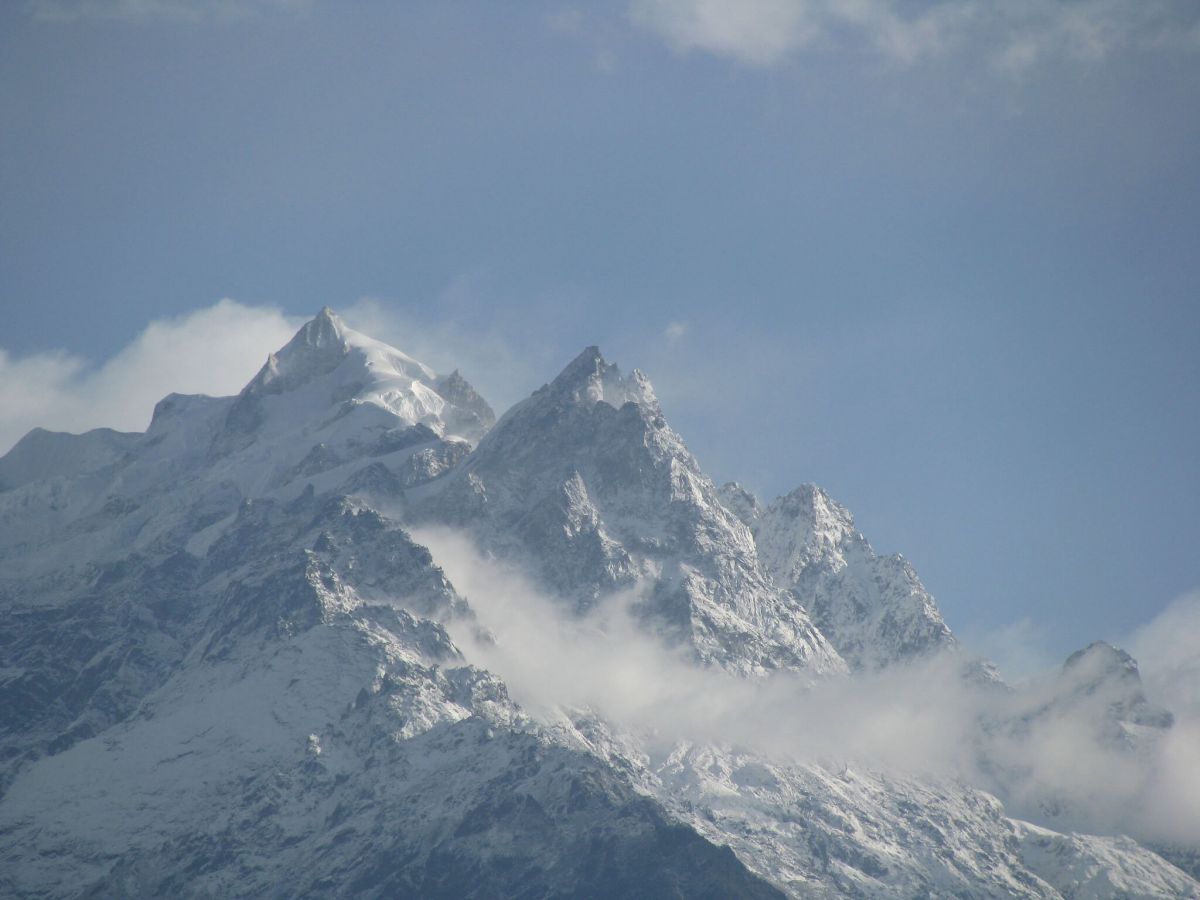
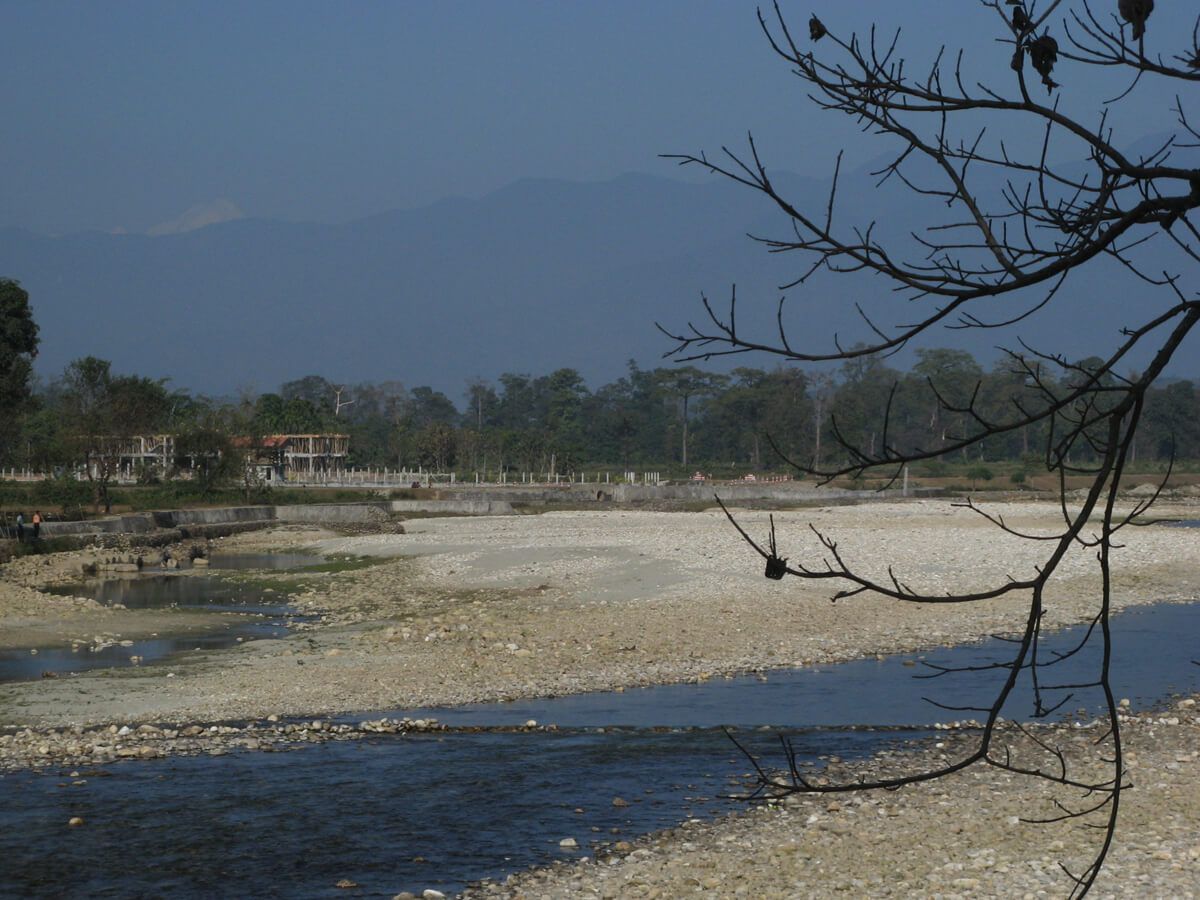


Khangchendzonga National Park is one of the most popular wildlife parks in India, covering approximately 1,784 sq km in North and West Sikkim. The park is home to the Khangchendzonga peak, which stands at 8,586 m and is the third highest mountain in the world and the highest peak in India.
The park was declared a UNESCO World Heritage Site in 2016 and is also a Biosphere Reserve. It is known for its rich variety of plants and animals like the snow leopard and red panda live inside the park, along with over 550 species of birds and thousands of plant varieties.
Trekkers from across India and abroad come to Khangchendzonga National Park for routes like the Goechala trek and Dzongri plateau trail. The park offers some of the most scenic high-altitude landscapes in the entire Himalayan range.
| Information | Details |
| Location | North and West Sikkim, Sikkim |
| Also Known As | Kangchenjunga National Park |
| Famous For | Khangchendzonga peak, Goechala trek, snow leopard, and red panda |
| Entry Fee | Rs. 200 (Indians); Rs. 400 (Foreign nationals) |
| Trekking Season | April to mid-June; September to November |
| Best Time to Visit | April to June, September to November |
| UNESCO Status | World Heritage Site (2016); Biosphere Reserve |
| Area | Approximately 1,784 sq km |
Khangchendzonga National Park was established in 1977. The area was officially declared a national park to protect the mountain environment of Sikkim, including high mountain grasslands, glaciers, and pine forests.
The name Khangchendzonga comes from Tibetan words meaning "Five Treasures of Snow," referring to the five peaks that form the group of mountain peaks at the summit. For the people of Sikkim, the mountain is sacred and is considered a guardian deity of the state. Local Lepcha communities have traditionally considered these mountains as the home of gods.
In 2016, UNESCO inscribed Khangchendzonga National Park as a World Heritage Site under the 'mixed' category — one of only a few sites in the world to receive this classification for both natural and cultural significance. This recognition brought greater attention to the park and its importance for nature and wildlife.
Khangchendzonga National Park in Sikkim is famous for being the gateway to India's highest mountain and for offering some of the most enjoyable trekking routes in the Himalayas. The park is a rare combination of world-class mountain scenery, wildlife, and deep cultural significance.
| Category | Fee |
| Indian Nationals | Rs. 200 per person |
| Foreign Nationals | Rs. 400 per person |
| Inner Line Permit (North Sikkim) | Required for Indian citizens too — obtain from Gangtok |
Trekkers must also hire a registered guide when trekking inside the national park. Guide fees are separate from the entry fee and are arranged through trek operators based in Yuksom or Gangtok. Camera permits may also apply for professional equipment inside certain zones.
The park is accessible during the trekking seasons, which run from April to mid-June and from September to November. The park is effectively closed to trekkers during the winter months (December to March) as trails become dangerous due to heavy snow and extreme cold.
There are no fixed opening or closing hours like a typical tourist site. Trekkers usually start early in the morning — between 5:00 am and 7:00 am — to cover ground before afternoon weather changes. Permit offices in Yuksom typically open at 9:00 am.
The best time to visit Khangchendzonga National Park is from April to June and again from September to November. April and May bring blooming rhododendrons along the trekking trails, with clear morning views of the peaks. The pre-monsoon period is colorful and the trails are in good condition.
October is considered the prime month for mountain views. The monsoon ends by late September, leaving the air very clear. Visibility for the Khangchendzonga mountain peaks is at its best in October and early November. Temperatures at lower altitudes are comfortable during the day.
Avoid June to August during the monsoon season. Trails become slippery and leech-infested, and visibility is very poor. December to March means heavy snowfall and near-zero temperatures at high altitudes, making trekking unsafe without specialist equipment.
Visitors to Khangchendzonga National Park often combine their trip with a visit to Tsomgo Lake or Rumtek Monastery.