
Dakshineswar Kali Temple, also called Dakshineswar Kalibari, is one of the most visited and most loved temples of Kolkata, West Bengal. Standing on the eastern bank of the Hooghly River, the temple is dedicated to Goddess Bhavatarini, a form of Goddess Kali.
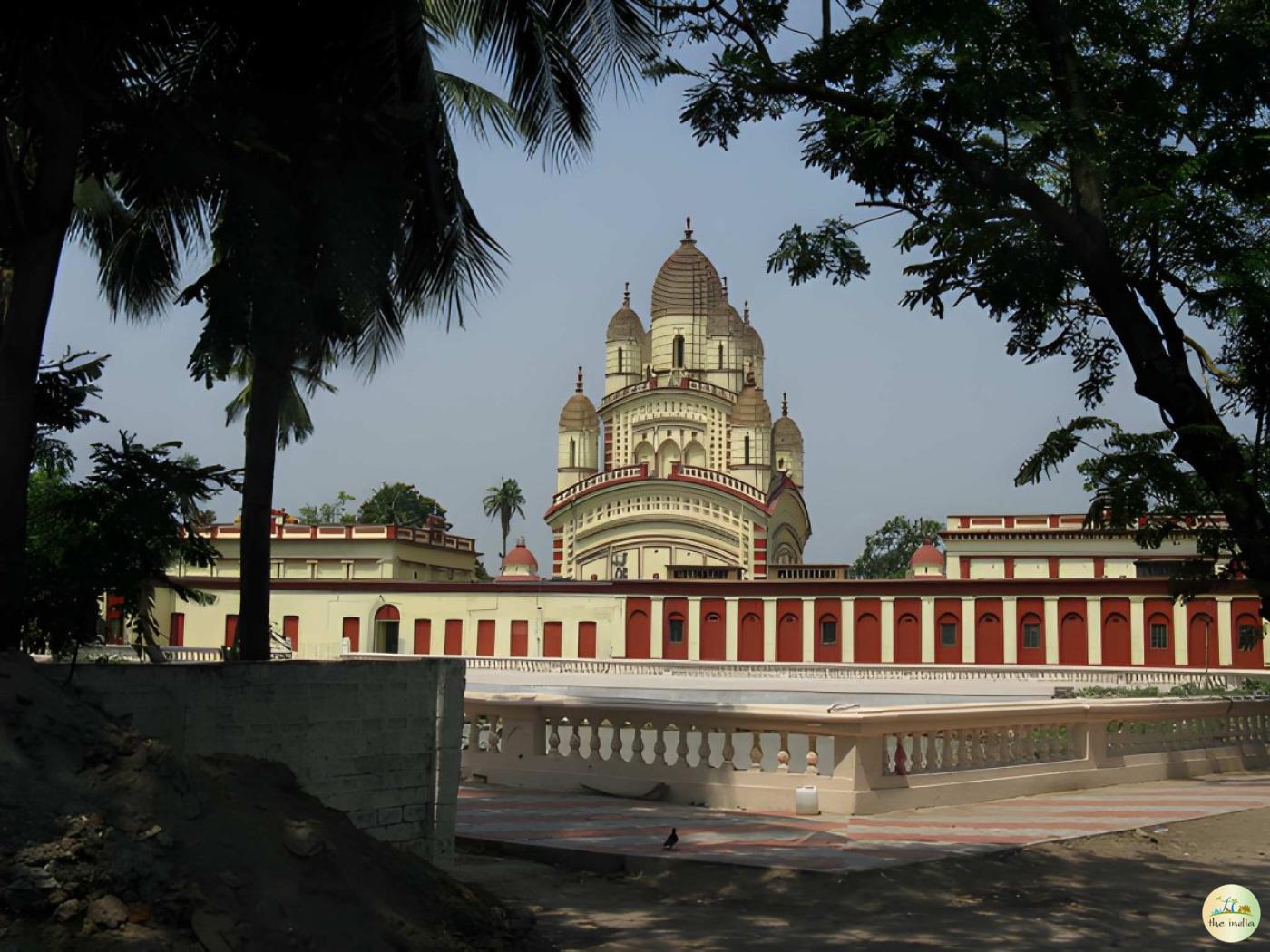
Explore Dakshineswar Kali Temple through captivating images that showcase their rich culture, history, and charm.

The nearest Airport to Dakshineswar Kali Temple is Kolkata Airport approximately 10 km.

The nearest railway station to Dakshineswar Kali Temple is Kolkata railway station approximately 9 km.

The city is well connected by road to a number of other cities in the country via public and private buses.
Dakshineswar Kali Temple, also called Dakshineswar Kalibari, is one of the most visited and most loved temples of Kolkata, West Bengal. Standing on the eastern bank of the Hooghly River, the temple is dedicated to Goddess Bhavatarini, a form of Goddess Kali. It was built by Rani Rashmoni, a well-known philanthropist and zamindar of Bengal, and is closely connected with the life of the great mystic Sri Ramakrishna Paramahamsa, who served here as a priest and attained spiritual enlightenment on these very grounds.
The temple is built in the traditional Navaratna (nine-spired) style of Bengal architecture. The main temple building is a three-floor, south-facing structure that rises over 100 feet, with nine spires spread across its upper two floors. Around the main temple, the complex houses twelve identical Shiva temples in a row, a Radha-Krishna (Vishnu) temple, a large courtyard, and ghats along the river where devotees take a holy dip and where the evening aarti is performed.
| Location | Dakshineswar, North Kolkata, West Bengal, on the eastern bank of Hooghly River |
| Famous For | Navaratna style architecture, Goddess Bhavatarini, association with Sri Ramakrishna |
| Built By | Rani Rashmoni (construction 1847–1855) |
| Entry Fee | Free |
| Timings | Roughly 5:00 am to 12:30 pm and 3:30 pm to 8:30 pm (varies slightly by season) |
| Best Time to Visit | September to February; Kali Puja and Navratri are special |
| Distance from Kolkata City | Around 13 km |
| Also Known As | Dakshineswar Kalibari |
Dakshineswar Temple was built because of Rani Rashmoni, a faithful follower of Goddess Kali. In 1847, before leaving for a pilgrimage to Varanasi, she had a dream in which the Goddess asked her to build a temple on the banks of the Ganga instead, promising to manifest herself in the idol installed there. Moved by this vision, Rani Rashmoni bought land in the village of Dakshineswar and began construction, which took nearly eight years and was completed in 1855.
Since Rani Rashmoni was not from a Brahmin family, orthodox priests initially objected to her setting up the temple. To settle this, ownership was formally passed to her spiritual guide, a Brahmin, allowing the rituals to proceed. Rani Rashmoni passed away in February 1861, not long after handing over property to the temple trust for its upkeep.
The temple gained lasting fame through Sri Ramakrishna Paramahamsa, who served here as priest, did deep meditation, and is said to have found spiritual awakening on these grounds. His disciple Narendranath Dutta later became known worldwide as Swami Vivekananda, further cementing Dakshineswar's place in India's spiritual history.
Dakshineswar Temple is considered one of the finest examples of the Navaratna style of Bengal temple architecture. Its main features include:
Dakshineswar Kali Temple is famous for its unique Navaratna architecture, its deep connection with Sri Ramakrishna Paramahamsa, and its inclusive, welcoming spirit that has brought devotees of all backgrounds for over a century and a half.
| Morning Session | Approx. 5:00 am to 12:30 pm |
| Afternoon Break | 12:30 pm to 3:30 pm (temple closed) |
| Evening Session | Approx. 3:30 PM to 7:30 pm |
| Open Days | All 7 days of the week |
| Festival Timings | Extended hours during Kali Puja and Navratri |
The best time to visit Dakshineswar Kali Temple is during the winter months, from September to March, when Kolkata's weather is pleasant and comfortable for temple visits and walks along the ghats.
Kali Puja, usually falling in October or November, is the most significant festival at the temple and sees the biggest crowds of the year. Navratri in September/October is also celebrated with much devotion. If you prefer a quieter, more peaceful darshan, plan your visit on a weekday morning outside the festival season.
Dakshineswar Kali Temple is usually combined with a visit to Belur Math, since the two are located just across the river from each other and are easily reached by ferry. Many pilgrims plan a full day covering both these important spiritual sites along with a general sightseeing tour of Kolkata city.