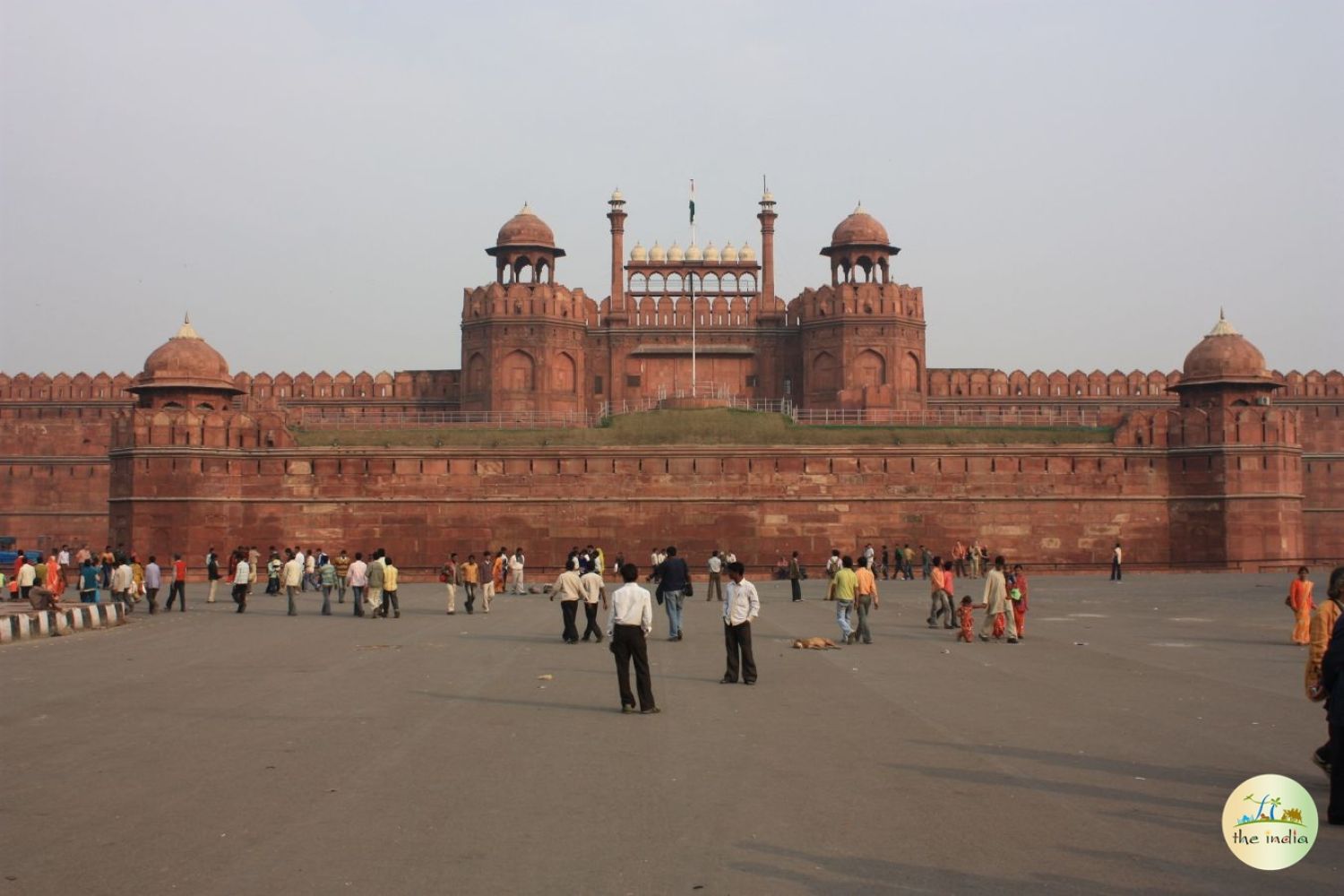
The Red Fort (Lal Qila) is one of the most famous historical buildings in India and a proud landmark of the nation’s heritage. This place is not just a tourist attraction—it is the heart of India’s Independence celebrations and a pride of the nation.

Based On 1 Ratings
Explore Red Fort (Lal Qila) through captivating images that showcase their rich culture, history, and charm.
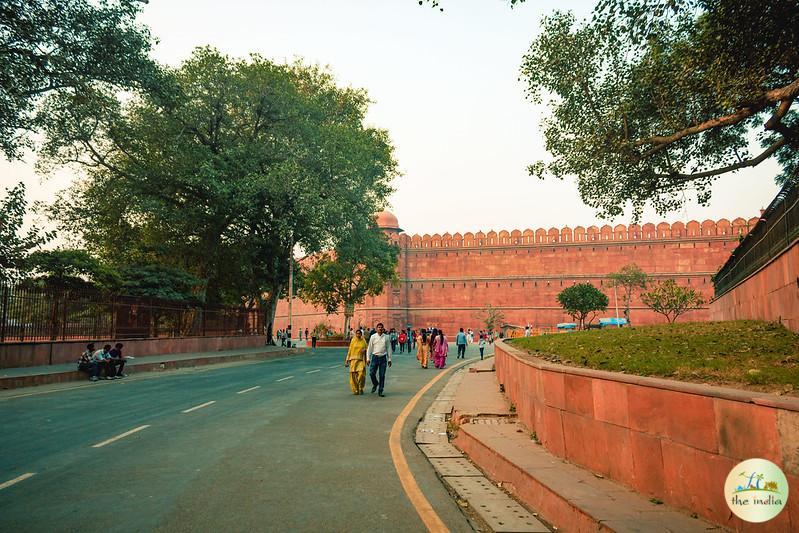

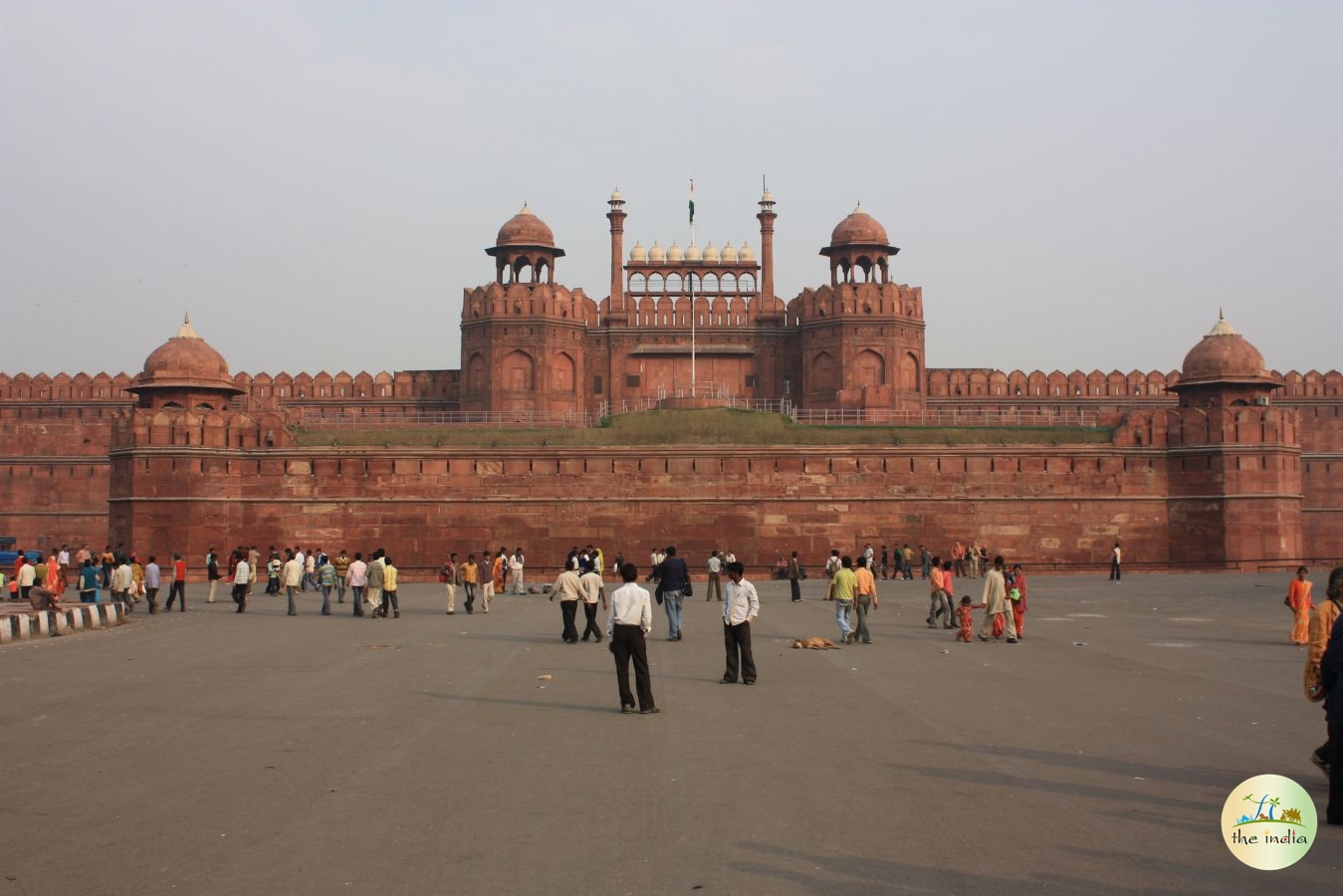

The nearest airport to the Red Fort in Delhi is Indira Gandhi International Airport (DEL), located about 20-25 kilometers away, from where you can take a taxi or metro.
The nearest major railway station to the Red Fort is Old Delhi Railway Station (Delhi Junction), which is very close, while New Delhi Railway Station (NDLS) is also a primary hub and just a few kilometers away, easily reachable by metro/auto.
ISBT Kashmiri Gate is the nearest bus terminal, situated approximately 5 km from Red Fort Delhi. Delhi Transport Corporation (DTC) buses, private buses, and local transport connect the bus stand to the fort area smoothly.
Start a virtual journey across India as our travelers recount their adventures, creating a unique experience of their travel and inspiration.
5.0/5
Excellent
From 1 Reviews

Dec 4, 2025
Enjoy guided tours to New Delhi's historic landmarks, local destinations, and rich culture. Book your adventure today and create unforgettable memories!
4(1 Reviews)
6D/5N
Luxury Leh Ladakh Tour Package with Khardung Karzok (5 Nights-6 Days)
Delhi, India
₹ 30,000
5(1 Reviews)
9D/8N
Delightful Delhi Kashmir Amritsar Tour Package (8 Nights-9 Days)
Delhi, India
₹ 30,000
The Red Fort is one of the most famous historical landmarks of India and a proud symbol of Delhi’s rich past. Also known as ‘Qila-I-Mubarak,’ this grand monument stands in the heart of Old Delhi and attracts visitors from all over the world. Built with beautiful red sandstone, the fort reflects the power, art, and culture of the Mughal era.
This place is not just a tourist attraction—it is the heart of India’s Independence celebrations and a pride of the nation.
The Red Fort (Lal Qila) was built in 1648 by Mughal Emperor Shah Jahan when he shifted his capital from Agra to Delhi. It served as the main residence of Mughal emperors for nearly 200 years.
Today, the fort holds great national importance. Every year on Independence Day, the Prime Minister of India hoists the national flag here, making the Red Fort a powerful symbol of India’s freedom and independence. It is also a UNESCO World Heritage Site, recognized for its historical and architectural value.
To explore Lal Qila Delhi, a minimum of 2 hours is required. However, if you wish to explore the fort in detail, visit museums, walk through Chatta Chowk, and attend the Light and Sound Show, you may need 3 to 4 hours. It is best to visit at a relaxed pace to enjoy the architecture and capture beautiful Lal Qila photos.
Delhi Gate (Dilli Darwaza): Located on the southern wall, Delhi Gate was built during Shah Jahan’s reign. Made of red sandstone with white stone pavilions, it features arched panels and semi-octagonal towers. The gate is historically significant, as the last Mughal emperor was held captive nearby in 1857.
Lahori Gate—Main Entrance: The Lahori Gate is the main entrance of Red Fort Delhi and the most iconic structure. Facing west towards Lahore, it is the place where the Prime Minister hoists the national flag every 15th August. This gate leads directly to the historic Chatta Chowk.
Chatta Chowk—Royal Covered Bazaar: Just inside the Lahori Gate, Chatta Chowk is a Mughal-era covered market. It once sold gold, silver, precious stones, silk, and royal goods.
Naubat Khana (Naqqar Khana)—The Drum House: After crossing Chatta Chowk, visitors reach Naubat Khana, also known as the Drum House. This was the place where ceremonial music was played to announce the arrival of the emperor. From here, entry leads into the Diwan-i-Aam. The upper floor of Naubat Khana houses the Indian War Memorial Museum.
Diwan-i-Aam—Hall of Public Audience: Diwan-i-Aam is where the Mughal emperor addressed the general public and listened to their complaints. This rectangular hall features an elegant marble canopy where the emperor sat. Decorated with fine stucco work and pietra dura designs, it is one of the most impressive structures inside Lal Qila.
Rang Mahal—Palace of Colors: The Rang Mahal was part of the royal harem and later used by the British as a mess hall. Its colourful interiors, mirror work ceilings, and arched design earned it the name “Palace of Colors” and also Sheesh Mahal.
Diwan-i-Khas—Hall of Private Audience: Used for private meetings with royal guests and ministers, Diwan-i-Khas is known for its elegant carvings and floral designs. This hall once housed the famous Peacock Throne, which was taken away by Persian ruler Nadir Shah. The beauty of this chamber makes it one of the most admired parts of Red Fort Delhi.
Khas Mahal & Muthamman Burj: Khas Mahal was the emperor’s private residence. Nearby Muthamman Burj is the balcony from where emperors appeared before the public and later used by British rulers.
One of the major attractions of Lal Qila Delhi is the Light and Sound Show, which beautifully presents the history of the Mughal era and the construction of the Red Fort using modern technology. Started in 1996, this show quickly became popular with visitors.
The Red Fort sound and light show is held in Hindi and English languages. This show is around 1 hour long. The performances are scheduled for the evening, with a one-hour gap in between. Red Fort appears absolutely beautiful and amazing as the lights and music start.
Weekdays: ₹60
Weekends: ₹80
Weekdays: ₹20
Weekends: ₹30
Hindi: 6:00 PM – 7:00 PM
English: 7:30 PM – 8:30 PM
Hindi: 7:00 PM – 8:00 PM
English: 8:30 PM – 9:30 PM
Hindi: 7:30 PM – 8:30 PM
English: 9:00 PM – 10:00 PM
Hindi: 7:00 PM – 8:00 PM
English: 8:30 PM – 9:30 PM