Luxury Leh Ladakh Tour Package with Khardung Karzok (5 Nights-6 Days)
Delhi
New DelhiKhardung Karzok
No ratings yetBest Oct – Mar
From₹30,000*5 nights
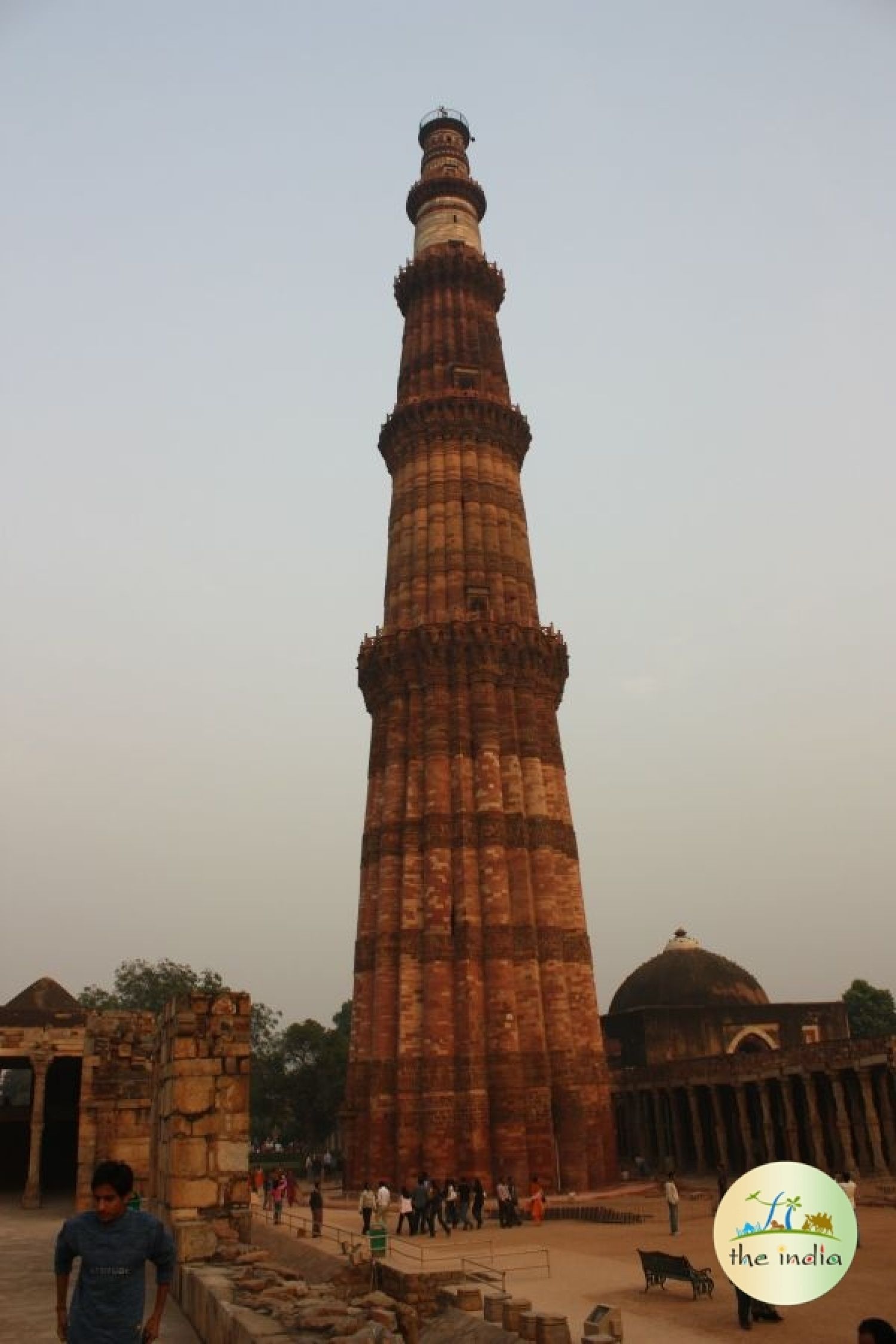
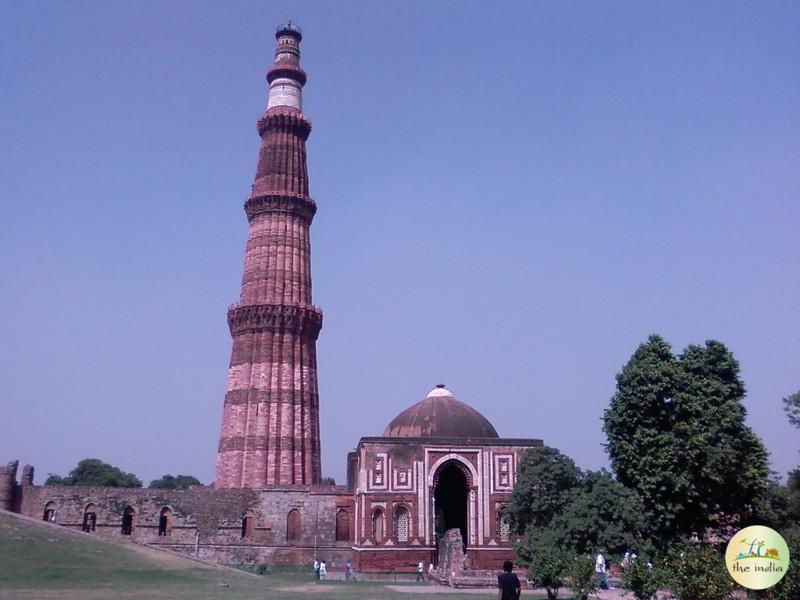
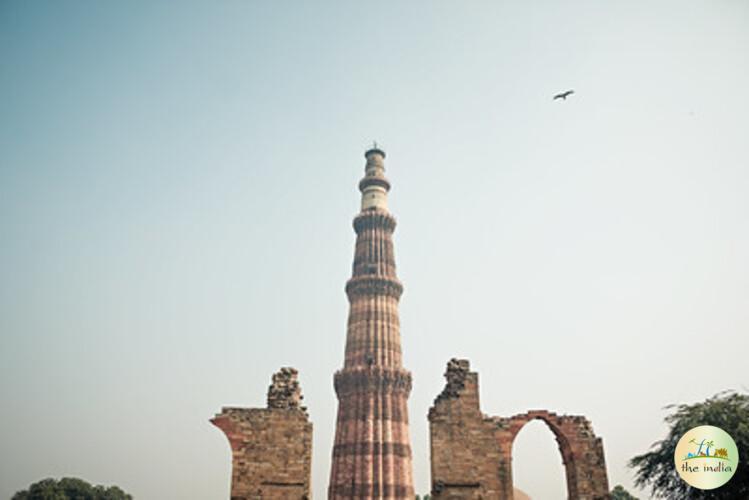
Qutub Minar is the second tallest minar in India, having a height of 73 meters and located in New Delhi. Qutub Minar is not just a place; it is a living chapter of Indian history. Its towering presence, mixed architectural styles, and centuries-old stories make it a must-visit place in Delhi for history lovers, students, families, and travelers.
 Posted byNiraj Bariya
Pleasant weather makes sightseeing comfortable; summers are very hot and the monsoon is humid.
Local operators who run trips to Qutub Minar and New Delhi


Director, at Srees Tours & Travels, Lake View Houseboat - make travel & stay in Kerala comfortable.


Let a local operator handle stays, transfers and sightseeing around Qutub Minar and New Delhi.
See tour packagesPick a package from trusted operators on The India that passes through New Delhi, then customise it to add Qutub Minar.
* Currency Disclaimer: All currency values displayed are for reference purposes only and should not be considered the actual transaction currency.
Browse every package and operator on The India, then ask for a plan that includes Qutub Minar.
Pair your visit with more places in and around New Delhi.
 Cultural and Historical Monuments
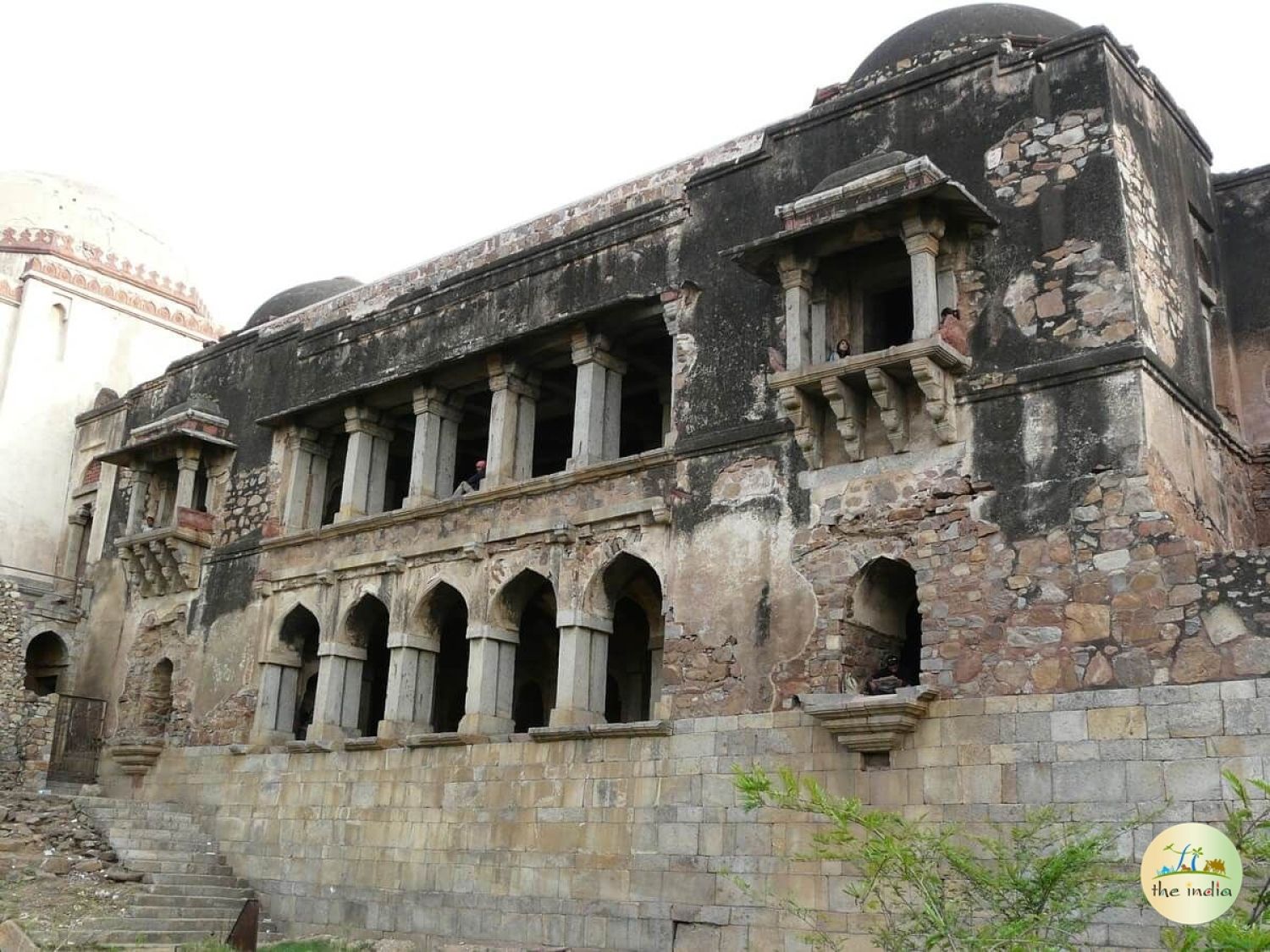
hauz khas fort Located in South Delhi. Famous for its ancient construction, beautiful lake views, and peaceful surroundings. If you are a history lover, photographer, couple, or weekend explorer, Hauz Khas Fort offers a…
VSBy Varun S.
Explore the vibrant charm of Sarojini Nagar Market, Delhi’s favorite street shopping destination. From trendy fashion at unbeatable prices to delicious street food and a lively local vibe, Sarojini Market offers an…
ABBy AYUSH B.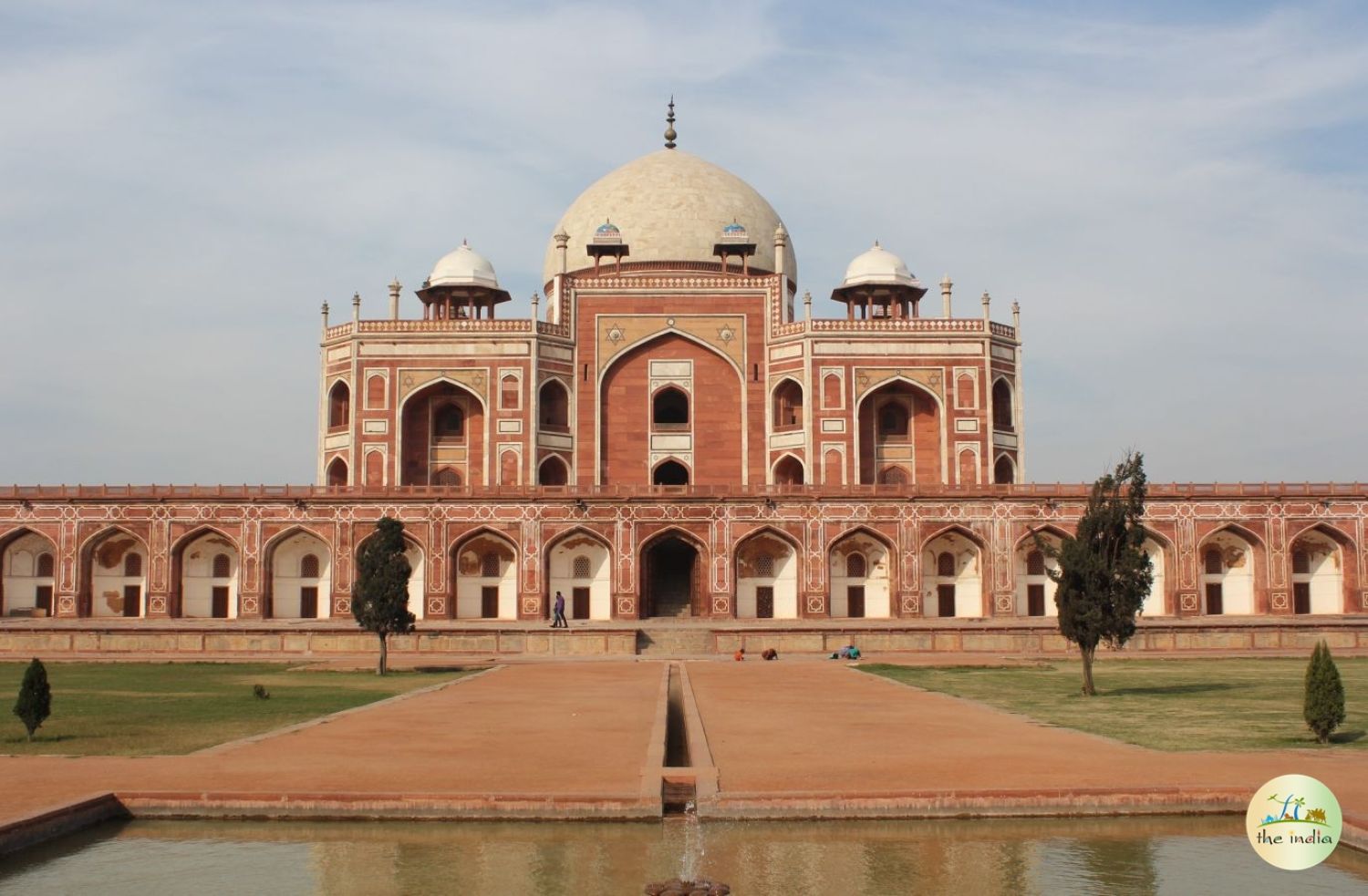 Cultural and Historical Monuments
Step into the royal history of Delhi at Humayun's Tomb, a magnificent UNESCO World Heritage Site. Discover stunning Mughal architecture, peaceful gardens, and timeless beauty that inspired the Taj Mahal. Perfect for…
NBBy Niraj B.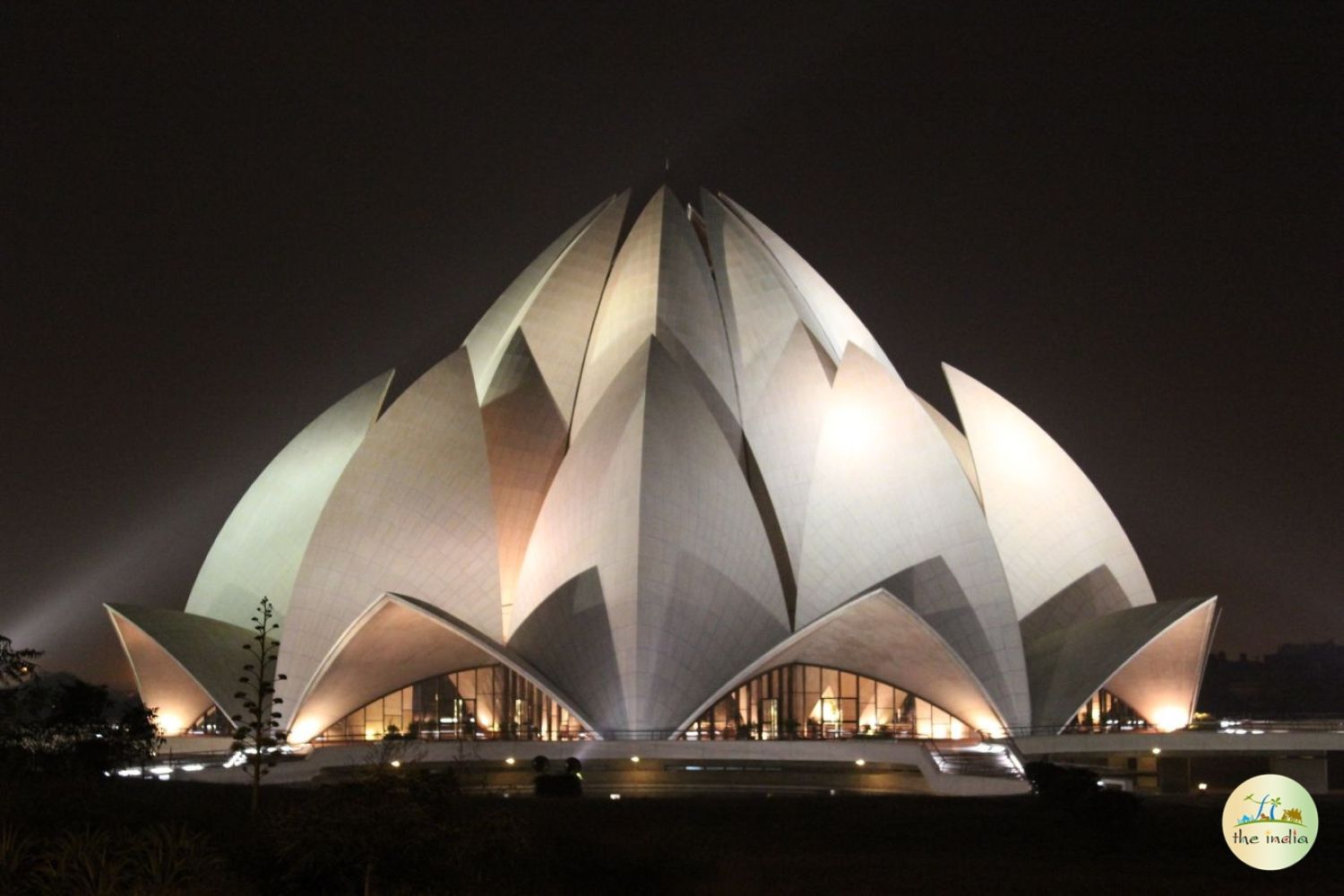 Cultural and Historical Monuments
The Lotus Temple is located in New Delhi and is also called the "House of Worship". famous for its lotus-shaped design and peaceful atmosphere. The architect selected the lotus because it is a symbol respected across…
NBBy Niraj B.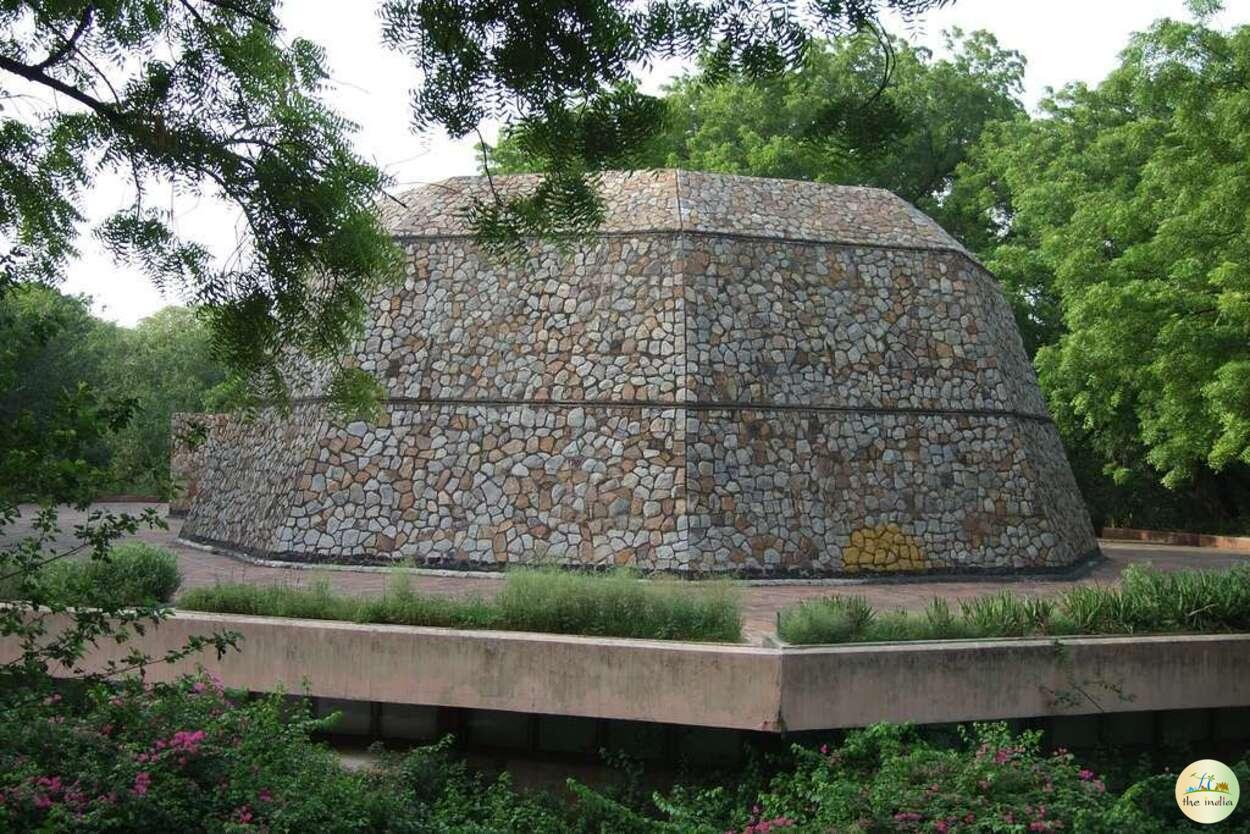 Cultural and Historical Monuments
Explore the wonders of space at Nehru Planetarium, New Delhi. Enjoy exciting 2D and 3D sky shows, interactive exhibits, and a fascinating journey through stars, planets, and the universe—perfect for families, students,…
PSBy Parth S. Cultural and Historical Monuments
Visit Rashtrapati Bhavan, the official home of the President of India. See its grand halls, beautiful gardens, and historic rooms, and experience the rich history and culture of this iconic landmark in New Delhi.
AKBy Ashwin K.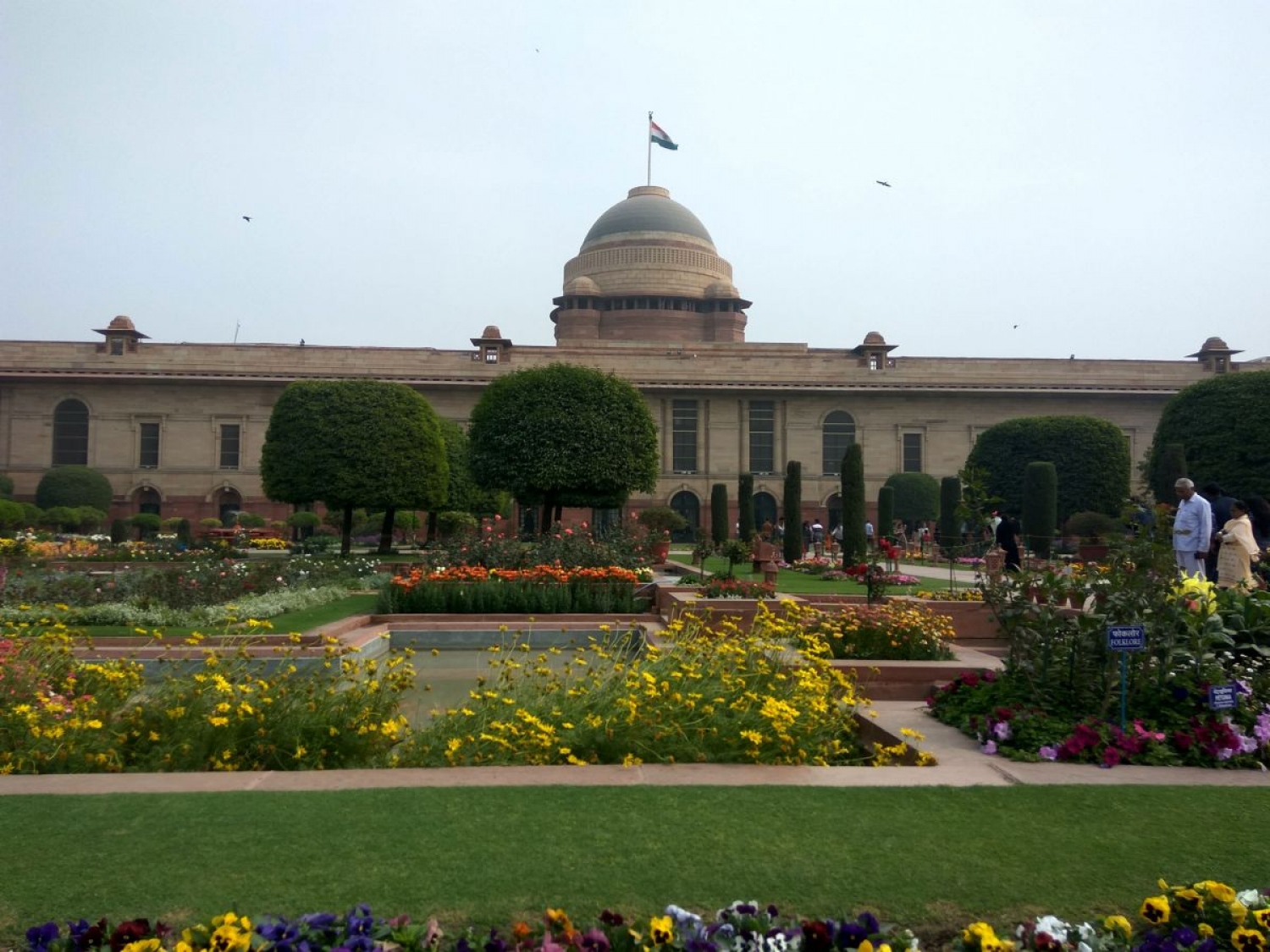 Cultural and Historical Monuments
Sprawling over 15 acres, Mughal Gardens were designed by Sir Edwin Lutyens and inspired by the Mughal Gardens of Jammu and Kashmir, the gardens at the Taj Mahal as well as Persian & Indian miniature paintings.
MSBy Mahima S.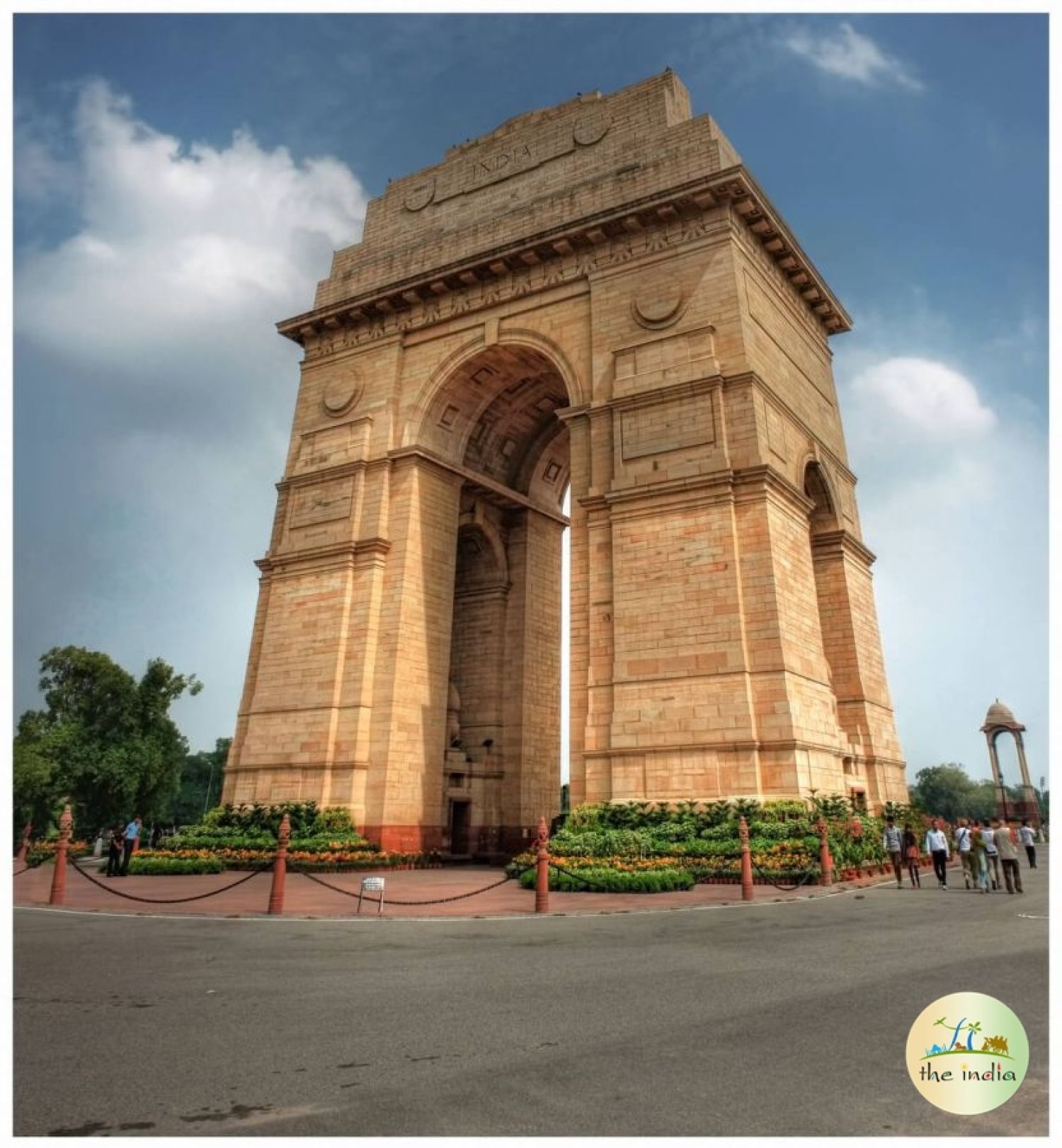 Cultural and Historical Monuments
India Gate, Delhi stands as a proud symbol of sacrifice and national honour. Surrounded by wide green lawns and glowing beautifully in the evening lights, this historic war memorial is a popular place for relaxation,…
NBBy Niraj B.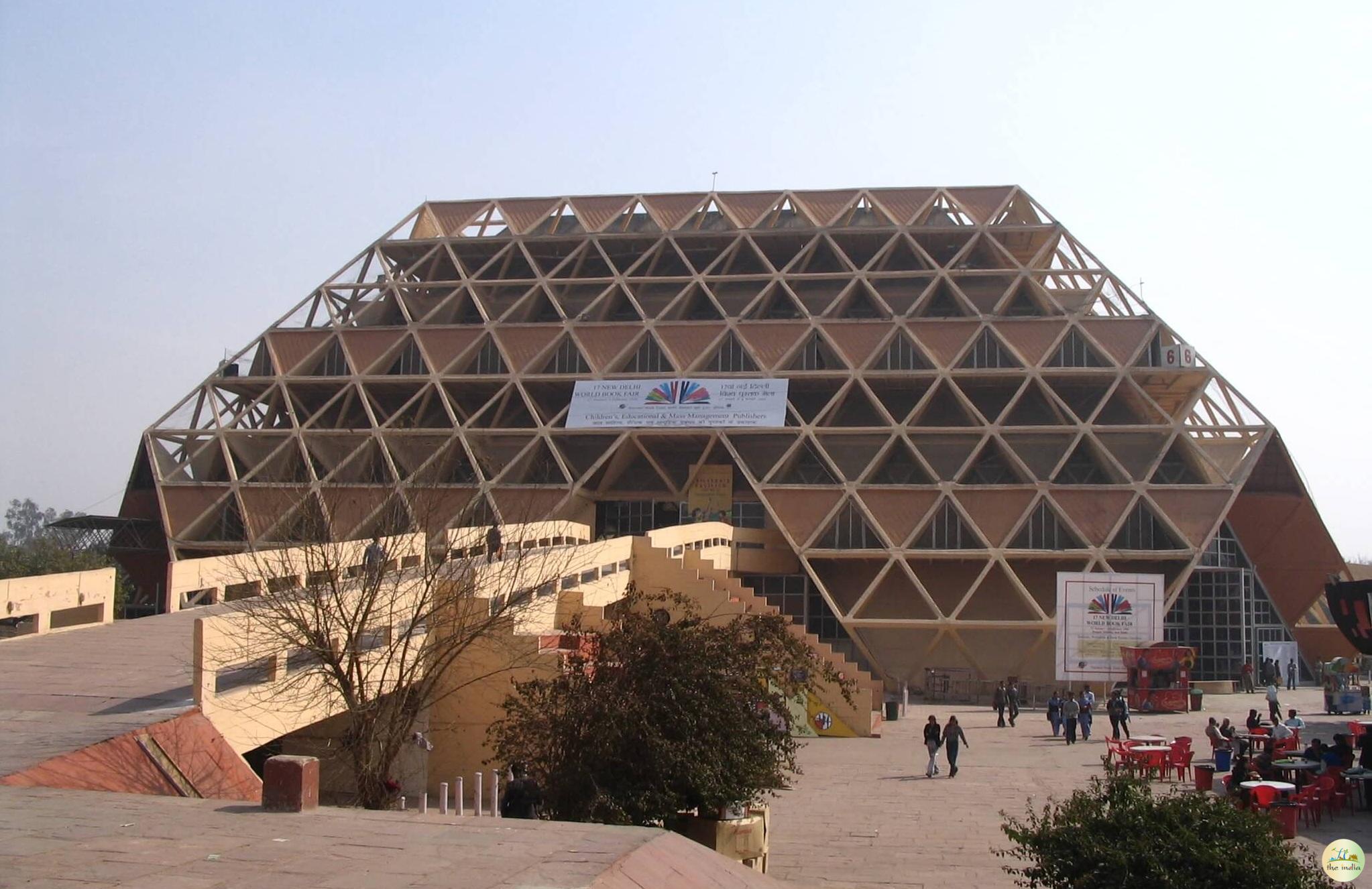 Exhibition Centre and Museum
Pragati Maidan is known as a Hub for Business and Culture in New Delhi.
KPBy K p.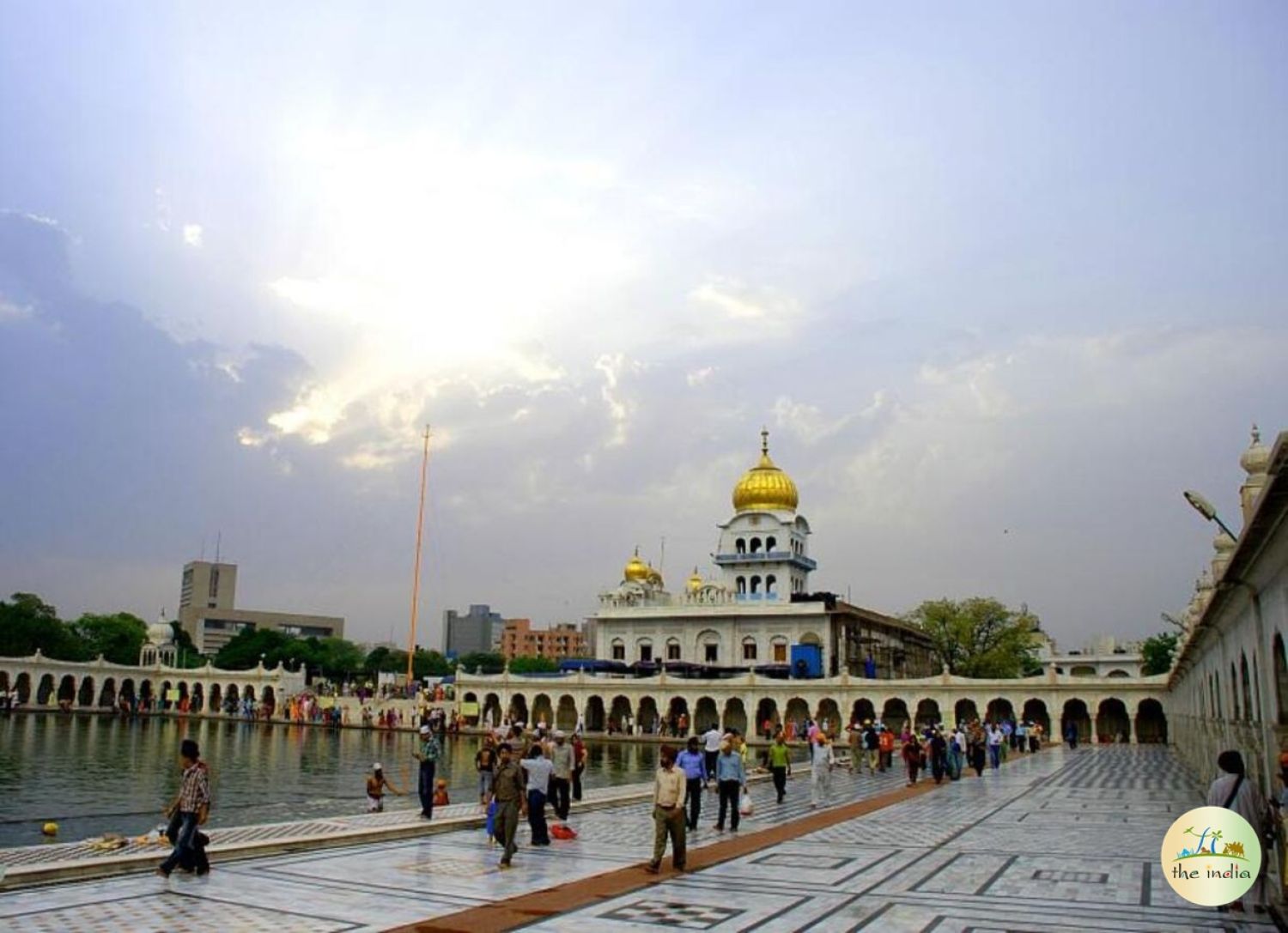 Spiritual
Gurudwara Shri Bangla Sahib is a prominent Sikh gurudwara located in New Delhi, India. It was originally a bungalow owned by Raja Jai Singh, which was later converted into a gurdwara in the 17th century to commemorate…
HSBy Harpreet S.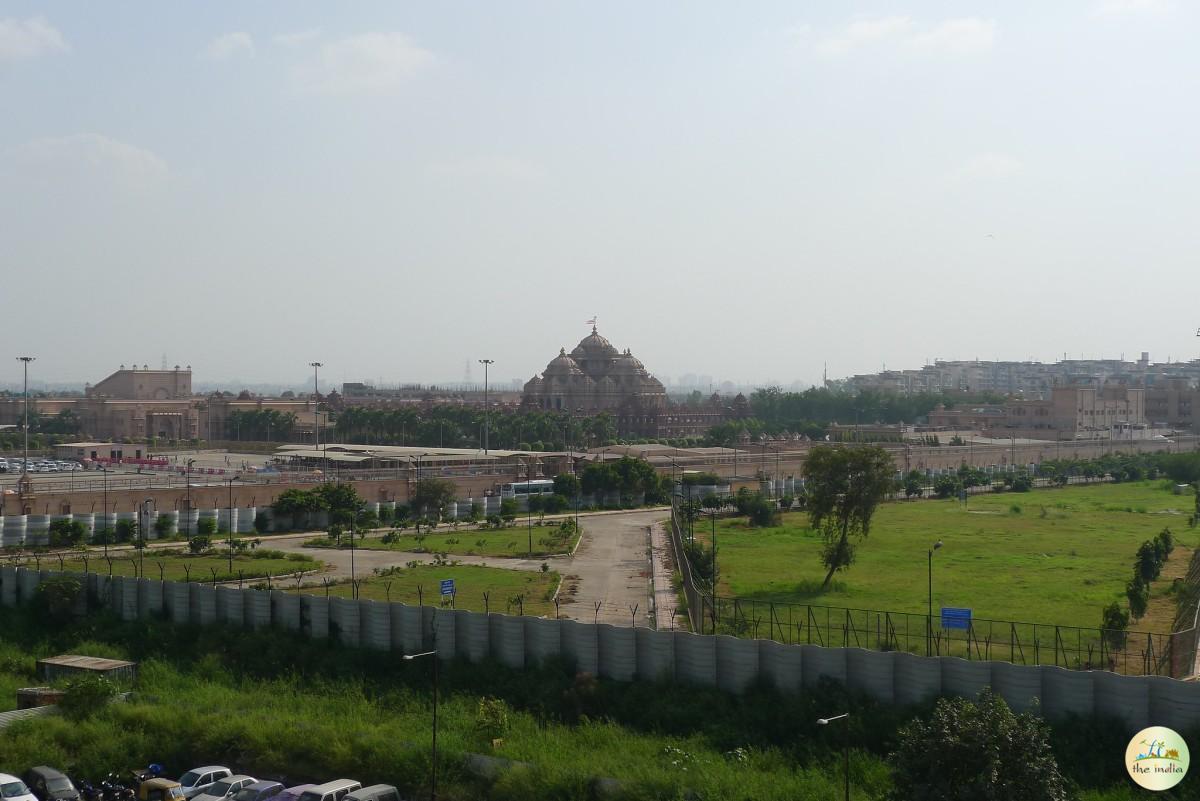 Temple and Spiritual Sites
Akshardham Temple in Delhi is a must-visit attraction. Explore its stunning stone carvings, exhibitions, gardens, daily aarti, and evening water show. Find timings and ticket details, and plan a memorable visit.
JGBy Jignesh G.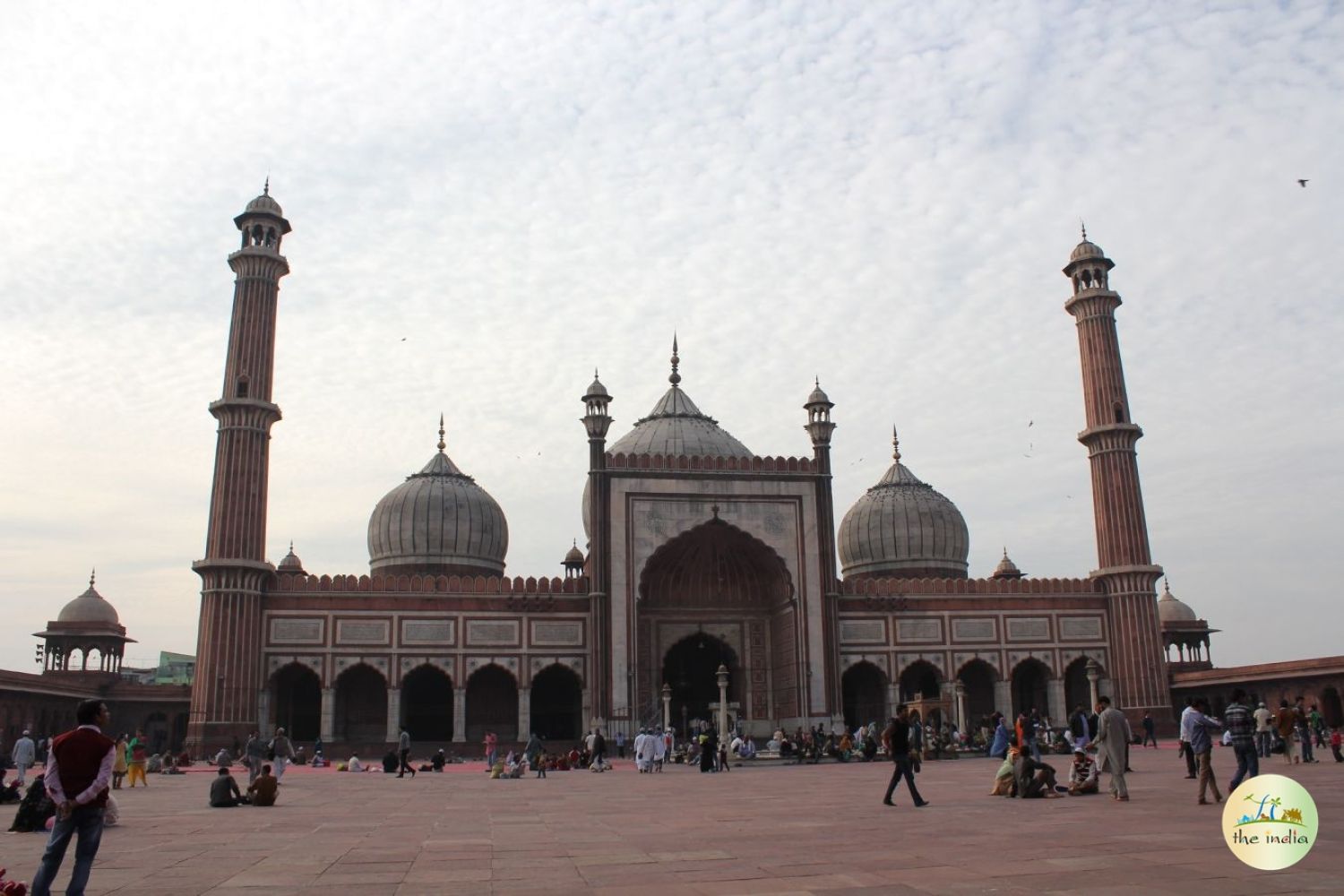 Spiritual
Jama Masjid is one of the largest mosques for Islamic religion in India which was built in 1644 & 1656 AD by Shah Jahan. It it also known as Masjid-i JahÄn-NumÄ in Delhi, India.
TFBy Terry F.Distances are approximate and by road. Check opening hours before you set out.
Explore Qutub Minar through photos shared by travellers.
Add your photos and help the next traveller plan their visit.



Ways to get to Qutub Minar from New Delhi and beyond.

The nearest airport to Qutub Minar is Indira Gandhi International Airport (IGI Airport). It is located about 12 km away from the Place. From the airport, you can hire a taxi, cab, or use app-based ride services to reach Qutub Minar comfortably. The journey usually takes around 25–30 minutes, depending on traffic.

The nearest major railway station is New Delhi Railway Station, which is around 16 km from Qutub Minar. From the railway station, you can take a metro, auto-rickshaw, or taxi to reach the place.

Qutub Minar is well connected by Delhi Transport Corporation (DTC) buses. Several city buses stop near Mehrauli and surrounding areas. After getting down at the nearest bus stop, you can take a short walk or an auto-rickshaw to reach the place.
New Delhi, Delhi
Good to know: Start early to avoid crowds and heat. Carry water and dress comfortably for walking.
Qutub Minar is one of the most famous historical monuments in India and a proud symbol of Delhi’s rich heritage. Qutub Minar New Delhi attracts history lovers, photographers, students, and tourists from all over the world. The tower looks grand and mysterious, especially when surrounded by old buildings, broken walls, and historic structures. This area once marked a major turning point in Delhi’s history—the end of Hindu Rajput rule and the start of Muslim rulers in the 12th century.
The Qutub Minar Complex was declared a UNESCO World Heritage Site in 1993 because of its historical value and unique architecture.
The Qutb Minar is a tall stone tower built with red sandstone and marble. It has five stories, each decorated with beautiful artwork and Quranic inscriptions. The Qutub Minar height is about 73 meters (238 feet). The tower is known for its strong structure and detailed design, which shows the excellence of ancient architecture.
The monument stands as a symbol of power and victory from the early days of Islamic rule in India. Today, it represents India’s shared heritage and the blending of different cultures over centuries.
The construction of Qutub Minar is believed to have started in the early 13th century by Qutub-ud-din Aibak, when Delhi came under Muslim rule. The area where the monument stands was once part of Lal Kot, an old city built by Rajput rulers. Several Hindu and Jain temples existed here before the arrival of the Delhi Sultanate. When Muslim rulers came to power, many temples were demolished, and their stones were reused to build mosques and other structures.
Because of this, you can still see carvings of Hindu gods, symbols, and designs on parts of the Qutub Minar complex.
Over time, the Qutub Minar faced damage due to earthquakes. Different rulers repaired and rebuilt parts of it, adding new elements. These changes make the structure a mix of styles from various periods.
Tickets can be purchased at the counter or online through official portals.
The Qutub Minar light show is a major attraction in the evening. It beautifully tells the history of Delhi using lights, music, and storytelling, making the monument come alive after sunset.
The Qutub Minar night show timing varies slightly Changes by season, so it’s best to check locally or online before visiting.
Apart from the main tower, visitors can explore many historical structures inside the complex:
Each structure adds a new layer to the story of Delhi’s past.
Qutub Minar is not just a place; it is a living chapter of Indian history. Its towering presence, mixed architectural styles, and centuries-old stories make it a must-visit place in Delhi for history lovers, students, families, and travelers.
Travel stories from The India community members about Qutub Minar and New Delhi.
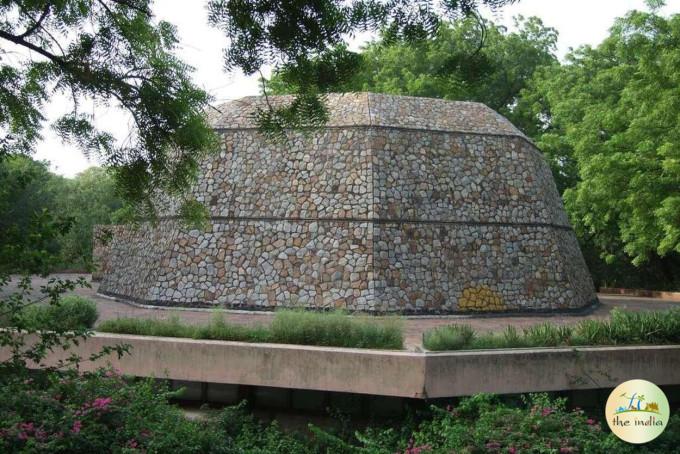 16 places
A city that has been repetitively emaciated and born-again, with remnants of lost kingdoms in every locality. It has so much to experience; see and capture. Being the most polluted and populated city it welcomes…
Share your visit, your photos and your tips. Your travelogue helps the next traveller plan better.
+ Add travelogueQuick answers about Qutub Minar: timings, tickets, the best time to visit and more.
Qutub Minar is famous for being the tallest brick minaret in the world and a UNESCO World Heritage Site. It is known for its beautiful carvings, historical importance, and unique Indo-Islamic architecture.
Qutub Minar is located in Mehrauli, South Delhi, India. It is part of the Qutub Minar Complex, which includes several ancient monuments and ruins.
Qutub Minar was started by Qutub-ud-din Aibak, the founder of the Delhi Sultanate. The construction was later continued by Iltutmish, and other rulers made repairs over time.
The height of Qutub Minar is approximately 73 meters (238 feet). It has five stories and is the tallest brick minaret in the world.
Qutub Minar is open daily from 7:00 AM to 5:00 PM. Timings may change slightly during special occasions or holidays.
The best time to visit Qutub Minar is between October and March, when the weather in Delhi is nice and suitable for sightseeing.
Been to Qutub Minar? Help other travellers plan their visit.
1 review from the community
Rated without a written review.
Explore more of Delhi
Temples, forts, beaches and heritage. Find your next stop.