
Purandar Fort

Discover Purandar Fort, a Maratha heritage site with breathtaking views near Pune.
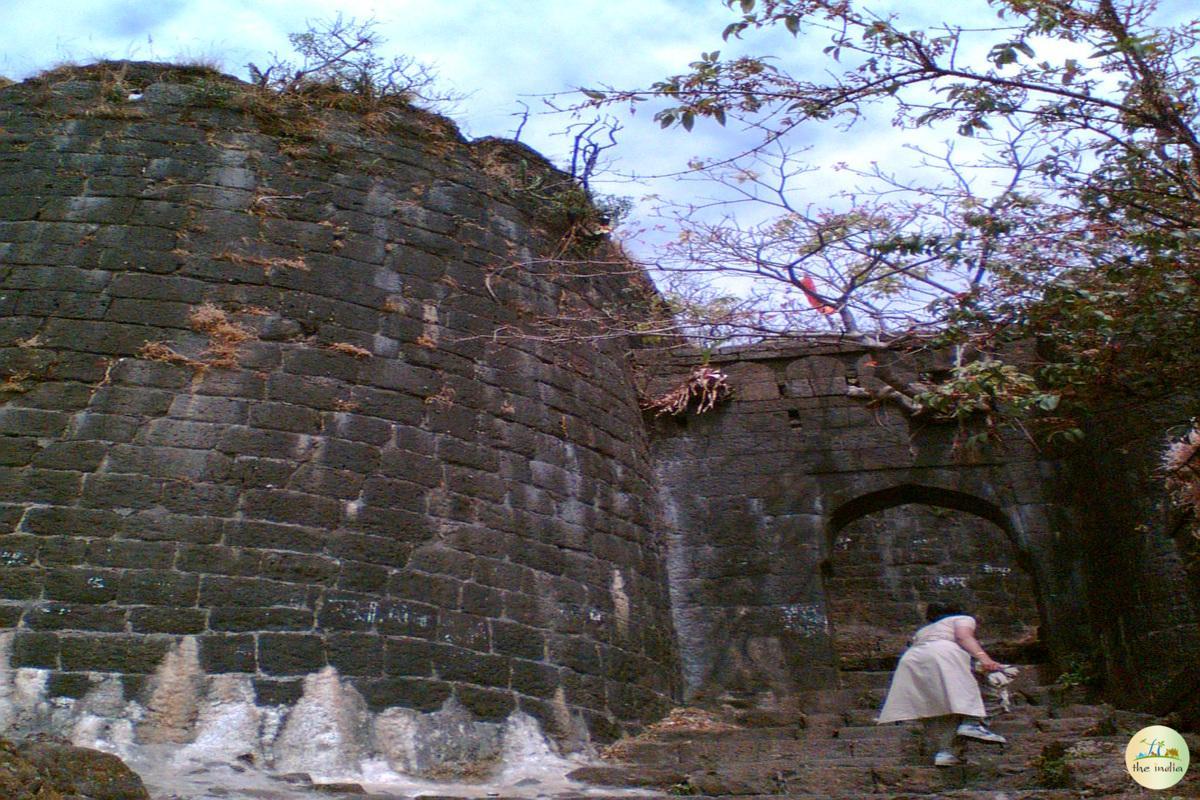
Purandar Fort

Purandar Fort Images

Explore Purandar Fort through captivating images that showcase their rich culture, history, and charm.

Purandar Fort Pune
Varsha Jagesha

1 Tourists who already explored Purandar Fort

Where Purandar Fort located

About Purandar Fort, Pune, Maharashtra

Purandar Fort is a twin hill fort located about 39 km from Pune city in Purandar taluka, Pune district, Maharashtra. The fort complex consists of two walled hills: the upper fort on the higher hill, which is today under Indian Army control, and Vajragad (also called Rudramal) on the nearby lower hill, which is open to civilian visitors. Together, the two hilltops have a continuous history of occupation going back centuries and were among the most carefully placed forts in the Pune region.

Purandar Fort holds a significant place in Maratha history for two reasons. First, it is the birthplace of Chhatrapati Sambhaji Maharaj (the son of Chhatrapati Shivaji Maharaj), who was born here in 1657. Second, it is the site of the Agreement of Purandar (1665), signed between Chhatrapati Shivaji Maharaj and Mirza Raja Jai Singh I, who represented the Mughal Emperor Aurangzeb. Under this Agreement, Shivaji Maharaj handed over a number of forts to the Mughals, including Purandar itself temporarily, though the fort was later recovered.

Today, Purandar Fort is an Indian Army cantonment. The upper section of the fort is a restricted military zone and is not open to civilians. The lower fort area — including the main gate approach, the Vajragad section, and surrounding trails — is open to visitors. The fort offers good views over the Pune plateau and is popular with history enthusiasts and trekkers from Pune. Raigad Fort, another important Maratha fort in Maharashtra, is often included in a broader fort-sightseeing circuit by visitors who visit Purandar.

InformationDetails
LocationPurandar Rd, Gherapurandhar, Maharashtra 412205
Famous ForBirthplace of Sambhaji Maharaj, Treaty of Purandar 1665, Maratha history
Entry FeeFree (civilian area)
Timings10:00 am to 3:30 pm
Best Time to VisitOctober to March
NoteUpper fort is restricted Indian Army area; lower fort open to civilians

History of Purandar Fort:

Purandar Fort's earliest recorded history places it under the Yadava dynasty, though the fort was developed significantly by successive rulers including the Bahmani Sultanate and the Nizamshahi (Ahmednagar) Sultanate. The Bijapur Sultanate held the fort for a period before Chhatrapati Shivaji Maharaj captured it in 1646. This capture was one of Shivaji Maharaj's early fort gains in his campaign to establish Maratha control over the Sahyadri region.

The most historically documented event at Purandar took place in 1657, when Chhatrapati Sambhaji Maharaj was born here. Sambhaji later succeeded his father as the second Chhatrapati of the Maratha Empire. In 1665, the fort became the setting for the Treaty of Purandar, negotiated between Chhatrapati Shivaji Maharaj and Mirza Raja Jai Singh I of the Kachhwaha Rajput clan, acting under orders from Mughal Emperor Aurangzeb. The treaty required Shivaji to hand over 23 forts to the Mughals and retain only 12. Purandar was among the forts ceded, though Shivaji later recovered it after the decline of Mughal influence in the Deccan.

The fort later came under British control and remained significant as a military post. The Indian Army has maintained it as a cantonment since Independence, which is why the upper fort remains a restricted zone today.

Why Purandar Fort is Famous?

Purandar Fort near Pune is famous for its direct connections to two of the most important events in Maratha history — the birth of Chhatrapati Sambhaji Maharaj and the Agreement of Purandar — as well as its status as an active Indian Army site.

  • Birthplace of Chhatrapati Sambhaji Maharaj (1657) — the second Chhatrapati of the Maratha Empire
  • Site of the Treaty of Purandar (1665) between Shivaji Maharaj and Mughal general Jai Singh I
  • Twin fort structure — Purandar and Vajragad (Rudramal) on two nearby hilltops
  • Active Indian Army cantonment — one of the few historic forts in Maharashtra still in military use
  • Good trekking and hiking terrain close to Pune city
  • Views over the Pune plateau and surrounding farming land

Purandar Fort Entry Fee

There is no entry fee to visit the civilian area of Purandar Fort. Entry to the lower fort and Vajragad section is free. Visitors must carry a valid government-issued photo ID as the fort is adjacent to an Army cantonment area. Do not attempt to enter the upper fort or any restricted military zone.

Purandar Fort Timings:

The civilian accessible area of Purandar Fort is open from 10:00 am to 3:30 pm. The fort is open on all days including weekends, though it may close on certain national holidays related to Indian Army occasions. It is advisable to confirm access on such days before travelling.

Best Time to Visit Purandar Fort:

The best time to visit Purandar Fort is from October to March. During this period, the weather in the Pune district is dry and cool, with temperatures between 12°C and 28°C. This makes the uphill trek to the fort very comfortable and the views from the top are clear.

April and May are warm but the fort remains accessible — carry plenty of water if visiting during this period. June to September is the monsoon season in Maharashtra. The fort trail becomes slippery during heavy rain and the approach road can get waterlogged. While the landscape is very green during monsoon, trekking conditions are not ideal. October is the start of the best season — post-monsoon, the vegetation is still fresh and the weather cools down quickly. The best time of day to visit is morning, between 8:00 am and 11:00 am.

Places to Visit Near Purandar Fort:

  • Saswad town – 20 km
  • Jejuri Temple (Khandoba temple) – 25 km
  • Dive Ghat scenic viewpoint – 30 km
  • Sinhagad Fort – 45 km
  • Pune city – 50 km
  • Rajgad Fort – 55 km
  • Wai – 60 km

Visitors interested in Maratha fort history can plan a circuit that includes Purandar Fort, Raigad Fort (the Maratha capital), and Panchgani over two to three days. This circuit covers some of the most historically significant sites in the Western Ghats foothills around Pune and Satara districts.

Best Time to Visit:
January,February,March,October,November,December
Activities to Do:
Cultural and Historical Monuments

Add Reviews