
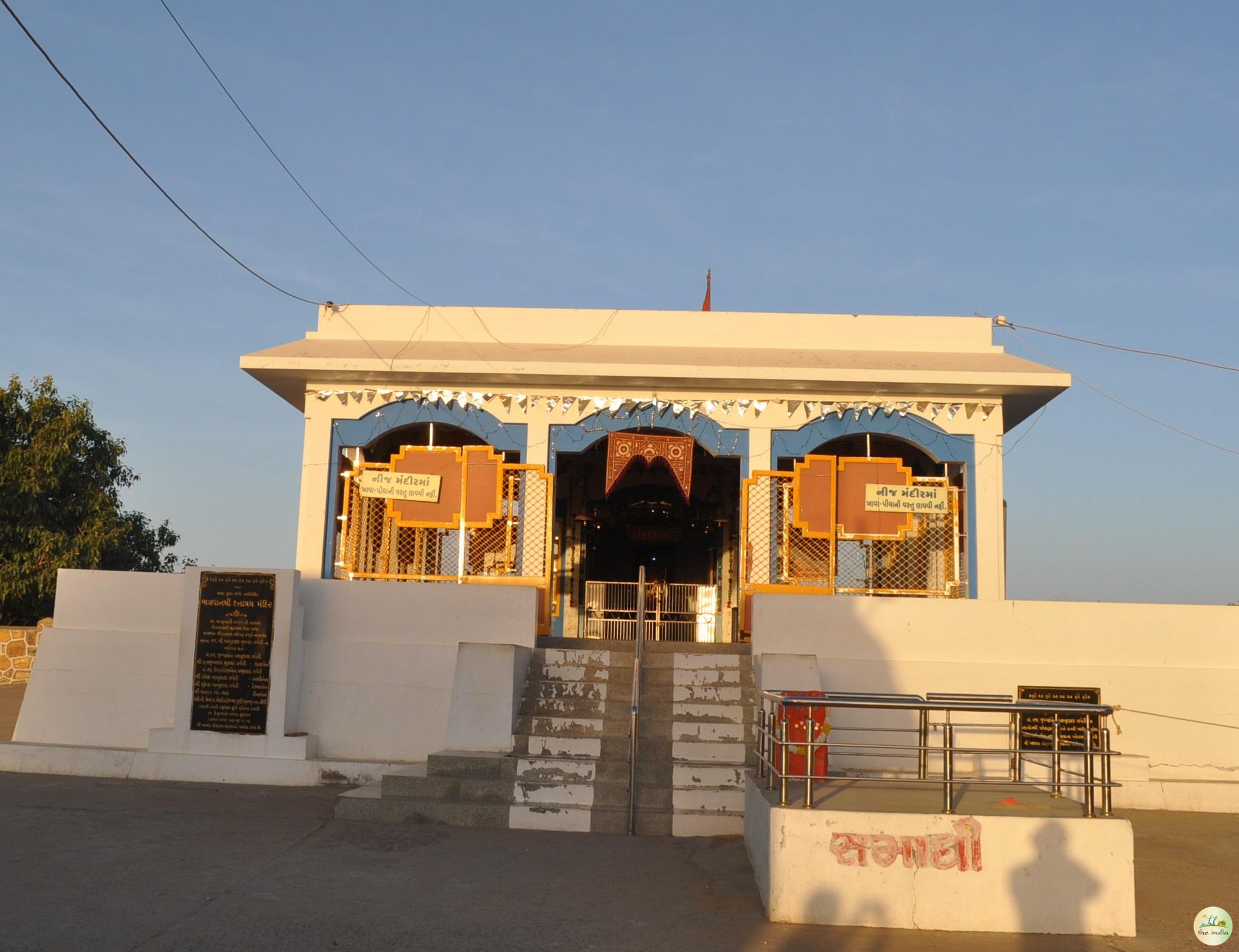
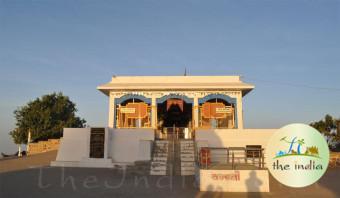
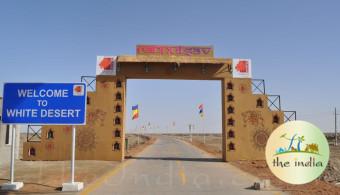
Kalo Dungar is also famous for the Dattatreya temple which was built before 400 years and one of the most worshipped temples in this area. If you are visiting Dhordo (white desert of Kutchh), you must visit Dattatreya temple located at the top of Kalo Dungar.
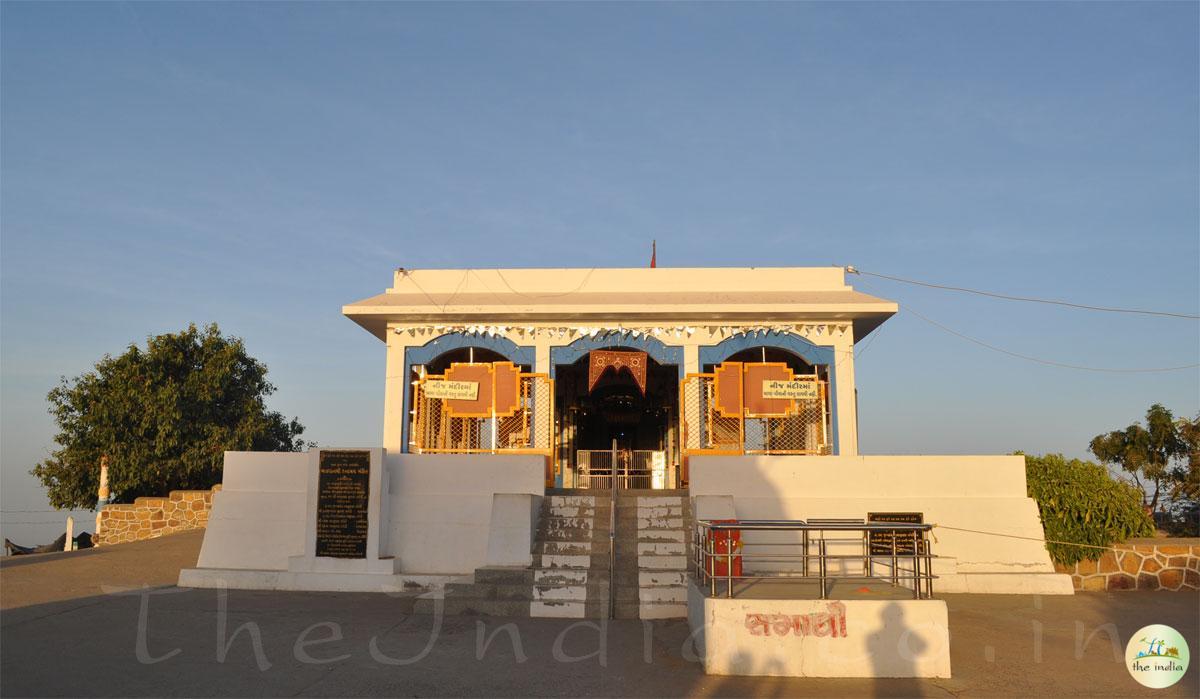
Explore Dattatreya Temple Kalo Dungar through captivating images that showcase their rich culture, history, and charm.
Enjoy guided tours to Bhuj's historic landmarks, local destinations, and rich culture. Book your adventure today and create unforgettable memories!
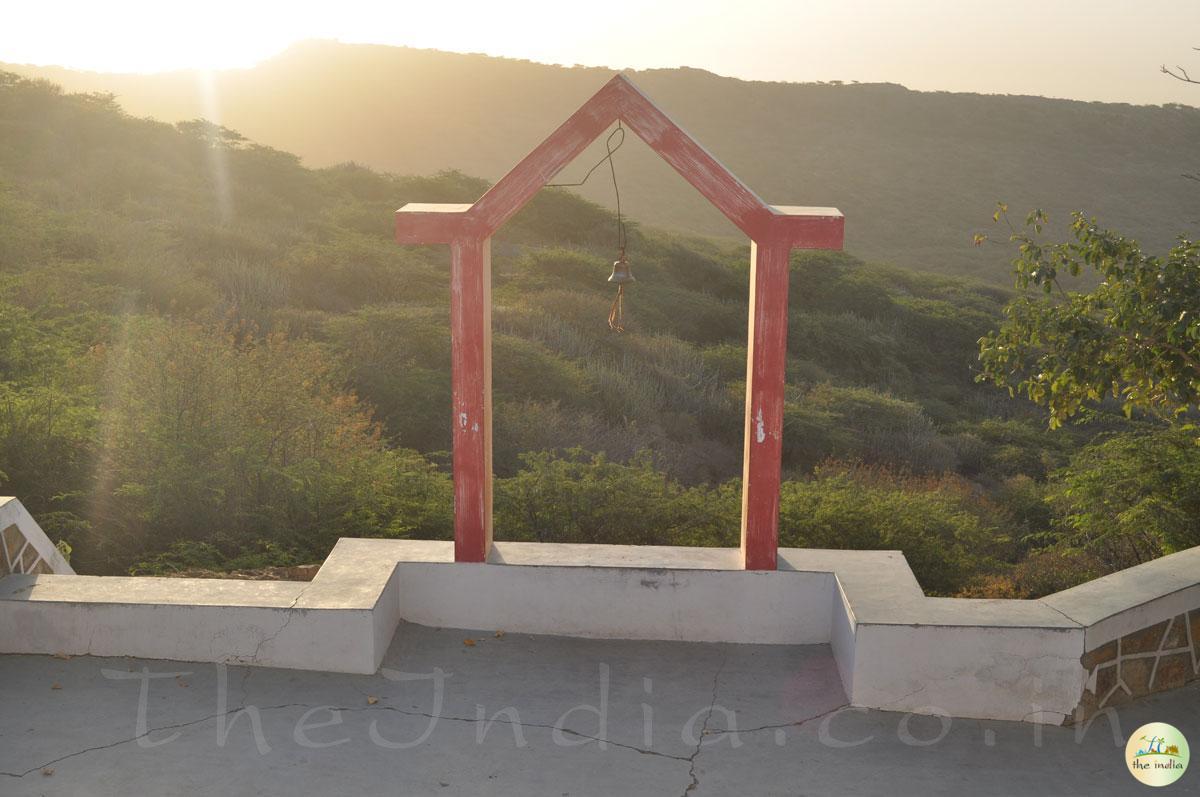
Kalo Dungar is also famous for the Dattatreya temple which was built before 400 years and one of the most worshipped temples in this area. There is a very popular legend about this temple which says that when God Dattatreya was passing from this area, he found a group of Jackals who were hungry. He offered his body part as a food and it was continuously regenerated. Even today, when you visit this temple during evening, the Pujari serve prasad (make from rice) to Jackals and they come to eat every day when they ring the bell. (See photograph of the bell). If you love calm and natural place, you can visit Dattatreya temple and can stay at Dharmshala overnight. Morning walk is also an amazing experience you can have at this place.
 Gujarat, India