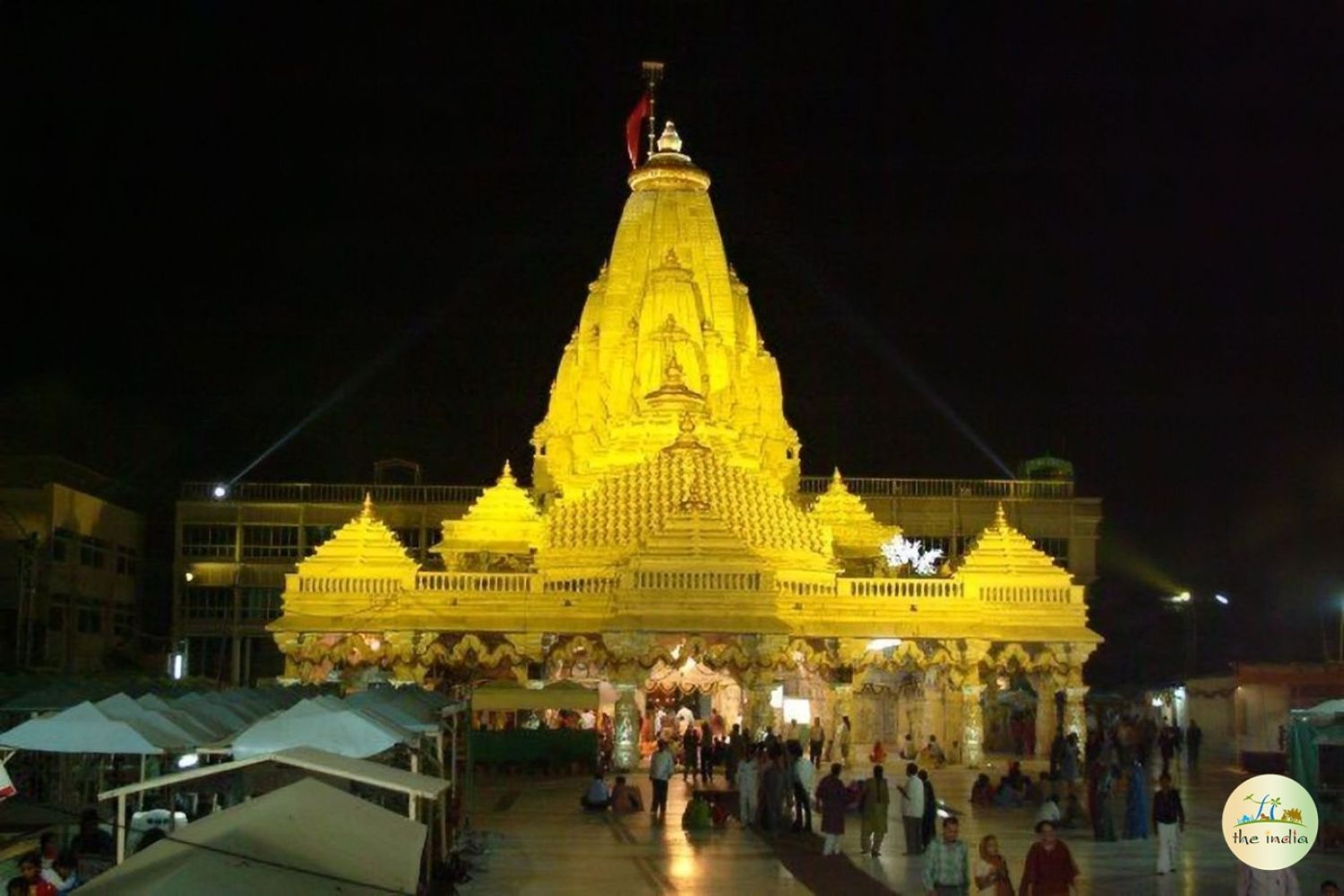
Ambaji Temple

Ambaji Temple is located in the Arasuri Hills of Banaskantha district in North Gujarat, near the Gujarat–Rajasthan border. The temple has a peaceful atmosphere and strong spiritual energy. Every year, thousands of people visit here to take blessings. Ambaji Temple is one of the 51 Shaktipeethas of India, dedicated to Maa Amba — the divine Mother Goddess.

Ambaji Temple

Ambaji Temple Images

Explore Ambaji Temple through captivating images that showcase their rich culture, history, and charm.
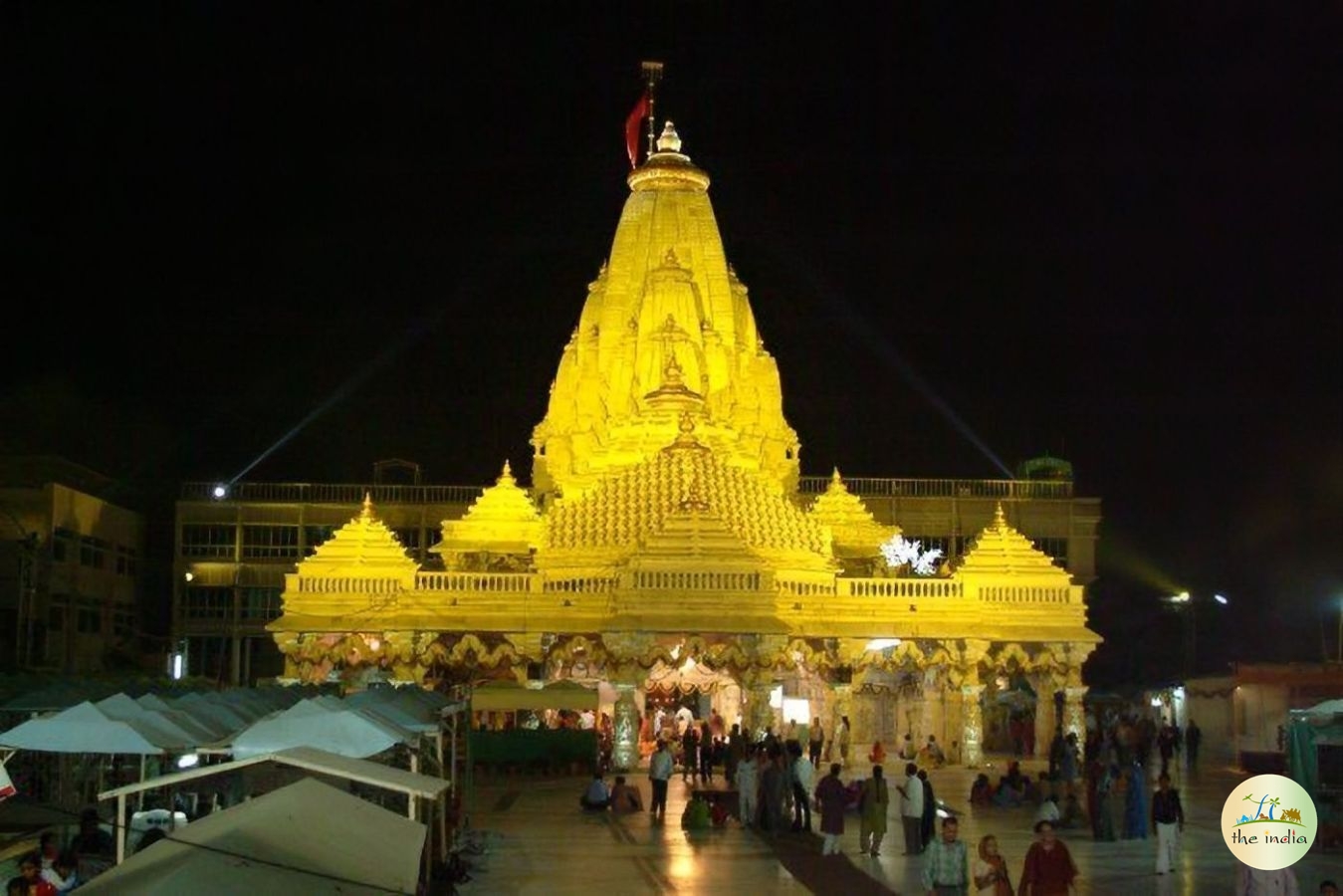

Ambaji Temple Ambaji
Harpreet Singh
Ambaji Temple Ambaji
Harpreet Singh
Ambaji Temple Ambaji
Harpreet Singh
Ambaji Temple Ambaji
Kaushik Patel

2 Tourists who already explored Ambaji Temple

Where Ambaji Temple located

How To Reach Ambaji Temple

By Air
By Air

The nearest airport to Ambaji Temple is Sardar Vallabhbhai Patel International Airport, located about 176 km away. Another nearby airport is Maharana Pratap Airport, which is around 185 km from Ambaji. From the airport, visitors can hire a taxi or take a bus to reach Ambaji.

By Train
By Train

The nearest railway station to Ambaji Temple is Abu Road Railway Station, about 22 km away. This station is well connected with major cities like Ahmedabad, Jaipur, and Delhi. From the railway station, you can easily find taxis and buses to reach Ambaji.

By Bus
By Bus

Ambaji is well connected by road with many cities in Gujarat and Rajasthan. Regular buses run from cities like Ahmedabad, Palanpur, and Mount Abu. Visitors can also travel by private car or taxi, which makes the journey comfortable and convenient.

About Ambaji Temple, Ambaji, Gujarat


If you have searched for Ambaji Temple Gujarat, Ambaji Mata Darshan, or Ambaji Temple history, it means you are interested in one of the most sacred temples in India.

What is Ambaji Temple? Why is it So Special?

Ambaji Temple is located in the Arasuri Hills of Banaskantha district in North Gujarat, near the GujaratRajasthan border. The temple has a peaceful atmosphere and strong spiritual energy. Every year, thousands of people visit here to take blessings. Many visitors say that the experience of visiting Ambaji Temple stays in their hearts even after they leave the spiritual hills.

Ambaji Temple is one of the 51 Shaktipeethas of India, dedicated to Maa Amba — the divine Mother Goddess. According to ancient Indian belief, this is The spiritual land is where the heart of Goddess Sati lives, making Ambaji a powerful center of divine energy and devotion. Every year, more than 5 million devotees visit this temple — a number that speaks volumes about its deep spiritual significance.

What makes Ambaji Temple different from other temples in India? There is no idol of the goddess inside the temple. Instead, devotees worship the holy Shree Yantra, a Pavitra geometric symbol that represents the divine power of Maa Amba. This Shree Yantra is believed to be one of the largest and most sacred Shree Yantras in the world. Because of this unique tradition, Ambaji Temple is considered a very special spiritual destination for devotees.

History & Spiritual Significance of Ambaji Temple

The Ambaji Temple is more than 500 years old, but its spiritual importance goes back to ancient Hindu mythology. It is one of the 51 Shakti Peethas in India. These are sacred places where parts of Goddess Sati's body are believed to have fallen. According to mythology, Lord Vishnu cut the body of Goddess Sati to reduce Lord Shiva’s great sadness.

It is believed that the heart of Goddess Sati fell at Ambaji. Because of this, the place is considered very powerful and full of divine energy. The temple is managed by the Shri Arasuri Ambaji Mata Devasthan Trust. This trust was established in 1960 under government supervision. The trust not only manages the temple but also works for society. It supports education, healthcare, social welfare, and disaster relief, helping many people in the community.

Did you know? On every Purnima, a special divine light is seen at Ambaji Temple. Because of this, thousands of devotees come here from different parts of India and other countries to take blessings of Maa Amba. This special moment makes the temple even more precious for visitors.

What is Ambaji Darshan's time? — What You Need to Know Before You Go

This is one of the most searched questions by visitors. Many people travel long distances to visit Ambaji Temple, so they want to know the darshan timing before planning their trip.

SessionTime
Morning Darshan7:30 AM – 11:30 AM
Afternoon Darshan12:30 PM – 4:15 PM
Evening Darshan6:30 PM – 9:00 PM

What is the Aarti time of Ambaji Darshan?

Session Time
Morning Aarti7:30 AM – 8:00 AM
Rajbhog Aarti12:00 PM (Afternoon)
Sandhya Aarti6:30 PM – 7:00 PM

Note: The temple is closed for specific times during the day (11:30 AM–12:00 PM and 4:15 PM–6:30 PM) for cleaning and bhog.

Pro Tip: For a peaceful darshan experience, visit early morning between 7:30 AM and 9:00 AM on weekdays. Weekends and festival days can get very crowded. For those who cannot visit in person, the official website offers a Live Darshan (Gabbar Darshan) feature, so you can experience the divine energy from anywhere in the world.

The Suvarna Shikhar — Ambaji Temple's Golden Crown

When people ask “Which is the golden temple in Gujarat?”, many people talk about the Suvarna Shikhar of Ambaji Temple. The Suvarna Shikhar is the golden temple top of the Ambaji Temple. It is about 61 feet tall and shines beautifully. The project was completed on 17 September 2018. Many devotees helped by donating gold and money, making it a project supported by public faith.

Gabbar Shaktipeeth — The Spiritual Hill You Must Not Miss

Gabbar Hill is one of the most sacred places near Ambaji Temple. It is located about 4 km from the main temple and is believed to be the original place of Goddess Amba. Every year, more than 3 million devotees visit Gabbar Hill. They come to see the Akhand Jyot (Diya) and feel the blessings of Maa Amba. At the top of the hill, an Akhand Jyot burns all the time. On clear nights, this light can even be seen from Ambaji Temple below. 

Many devotees also believe that the footprints of Goddess Amba are present at the top of Gabbar Hill under a Pipal tree. Gabbar Hill also has other spiritual places like Mataji ka Zula, Kal Bhairav Temple, and the believed birthplace of the Saraswati River in the Arasur Hills.

Gabbar Darshan Timings

Gabbar is generally open to visitors from early morning to late evening, typically from 7:00 AM to 9:00 PM.

Important Note: Gabbar timings are subject to change during festival seasons like Navratri and Bhadarvi Poonam. Always verify updated timings on the official website before visiting.

How many steps are in Ambaji Gabbar?

There are 999 steps to reach the top of Gabbar Hill. Climbing every single step is considered an act of devotion and faith for many devotees. The climb begins with about 300 stone steps at the base. After that, the path becomes more sloped as it goes to reach the top of the hill. When you reach the top, you can enjoy beautiful views of Ambaji town and the Aravalli hills around it.

For an average person, climbing all 999 steps usually takes about 45 minutes to 1 hour. People who walk faster may reach the top in about 30 minutes. 

If someone does not want to climb the steps, they can use the Udan Khatola ropeway, which takes only about 5-10 minutes to reach the top while offering amazing views of the Aravalli hills.

Is There Any Entry Fee for Gabbar Darshan?

This is one of the most common questions people ask before visiting. The good news is that darshan at Gabbar Hill is completely free. There is no entry fee and no ticket required to visit and take blessings of Maa Amba.

Gabbar Ropeway — Timings, Ticket Price & How to Book

Good news for senior citizens, disabled devotees, families with young children, and anyone who finds the 999 steps difficult. The Gabbar Ropeway, operated by Udan Khatola, has been helping devotees reach the top of Gabbar Hill since 1998. This ropeway makes it possible for everyone to visit the top of Gabbar Hill without climbing the steps.

Ropeway DetailsInformation
Operated ByUdan Khatola (since 1998)
Travel DurationApprox. 5-10 minutes (one way)
Regular Timings7:00 AM – 6:00 PM (Last slot: 3 PM to 4 PM)
Special Purnima Days6:00 AM – 7:00 PM
Booking ModesOnline & Offline (counter at Gabbar)

Ropeway Time Slots — Book Your Preferred Slot

Ropeway tickets are slot-based — each slot is 1 hour long. You must select your preferred time slot when booking. Slots often fill up fast on weekends and festival days. Book your slot in advance to avoid disappointment.

MORNING SLOTSMID-DAY SLOTSAFTERNOON SLOTS
🕖  7:00 AM – 8:00 AM🕙  11:00 AM – 12:00 PM🕐  1:00 PM – 2:00 PM
🕗  8:00 AM – 9:00 AM🕛  12:00 PM – 1:00 PM🕑  2:00 PM – 3:00 PM
🕘  9:00 AM – 10:00 AM 🕒  3:00 PM – 4:00 PM
        (Last Slot of the Day)
🕙  10:00 AM – 11:00 AM  

Our Advice: Always book your ropeway ticket ONLINE before leaving home. On weekends and Purnima days, the offline counter queue can stretch to 1–2 hours. Online booking takes just 5 minutes, guarantees your time slot, and you simply show your e-ticket at the gate. Why stand in a long queue when you can book from the comfort of your home?

What is the price of Ambaji Gabbar ropeway?

Ticket TypePriceValidity
Normal Ticket — Ambaji Gabbar₹1251 Day
Child Ticket — Ambaji Gabbar₹701 Day
Regular Gujarat Ropeways Combined Ticket: Girnar, Pavagadh & Ambaji Gabbar (Round Trip)₹97490 Days
Child Gujarat Ropeways Combined Ticket: Girnar, Pavagadh & Ambaji Gabbar (Round Trip)₹49990 Days

How to Reach Ambaji Temple — By Road Complete Travel Guide

One of the most searched questions is 'How do I get to Ambaji Temple?' Ambaji is well connected by road, rail, and air.

By Road — The Most Popular Way

Frequent buses operate from Ahmedabad, Palanpur, and Mount Abu.

  1. 20 km from Abu Road
  2. 45 km from Mount Abu
  3. 50 km from Kadiadra
  4. 65 km from Palanpur
  5. 190 km from Ahmedabad

Nearby Attractions Around Ambaji Temple

  1. Kailash Hill (Kailash Tekari)
  2. Koteshwar Mahadev Temple
  3. Jessore Sloth Bear Sanctuary
  4. Poshina Village
  5. Mount Abu (Rajasthan)
  6. Dilwara Jain Temples

Major Festivals at Ambaji Temple

Navratri: Navratri is the biggest festival at Ambaji. During these nine nights, millions of devotees come from Gujarat and other parts of India. The temple area becomes full of devotion, music, and traditional Garba dance, making it one of the most special religious celebrations in the region.

Bhadarvi Poonam: Bhadarvi Poonam is the most important day at Ambaji Temple. On this day, a very large number of devotees visit the temple for darshan. Because of the huge crowd, it is best to plan your visit in advance.

Purnima (Every Full Moon): On every full moon day (Purnima), many devotees visit Ambaji Temple for special prayers. On this day, the ropeway timing is usually extended from 6:00 AM to 7:00 PM to help manage the large number of visitors.

Ambaji Temple - Contact & Official Details

Official Websiteambajitemple.in
Phone02749-262236
Emailambajitempletrust@gmail.com
LocationAmbaji, Banaskantha District, North Gujarat
Nearest RailwayAbu Road (25 Km)
Nearest AirportAhmedabad (175 Km)
Ropeway Bookingudankhatola.com | Toll Free: 1800-202-4050
Best Time to Visit:
February,May,June,July,September,October,November
Activities to Do:
Temple and Spiritual Sites, Cultural and Historical Monuments

Frequently Asked Questions

Add Reviews